

Pen stains on leather can be a real nightmare. But have no fear! Here, we’ll explore methods to effectively clean pen off leather. Leather is delicate. It requires special care to remove pen marks without any damage.
Leather is popular for furniture, clothing, and accessories. But when an accident happens, and you find pen marks on your leather item, it can be disheartening. But don’t worry, there are ways to get rid of those stubborn pen stains.
One method is to use rubbing alcohol or isopropyl alcohol. Dampen a cloth with alcohol and gently blot the stain. Avoid rubbing too hard – it may damage the leather. The alcohol breaks down the ink pigment and lifts it off the leather.
Another option is to use a specialized leather cleaner or saddle soap. Put a small amount of the cleaner on a clean cloth and rub the pen stain in circles. This dissolves the ink while nourishing and protecting the leather.
If you don’t have rubbing alcohol or a specialized cleaner, try vinegar. Dampen a cloth with vinegar and gently blot the stain until it fades away. Vinegar has acidic properties that dissolve the ink, without damaging the leather.
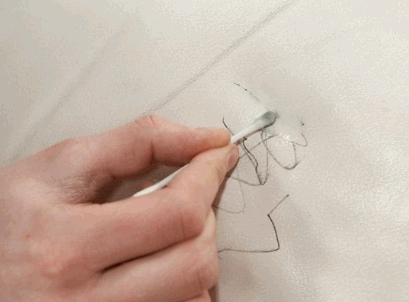
Materials needed for cleaning pen off leather
Time is of the essence when it comes to removing ink stains from leather! Gather the essentials: rubbing alcohol, cotton balls, a clean cloth, leather cleaner or mild soap, and a soft-bristled brush.
- Rubbing alcohol: Lift ink stains off leather surfaces.
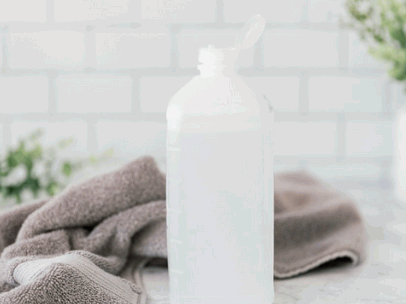
- Cotton balls: Apply the rubbing alcohol.
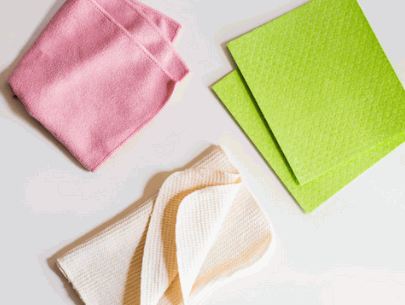
- Clean cloth: Blot and gently scrub the stain.
- Leather cleaner or mild soap: Clean the leather thoroughly.
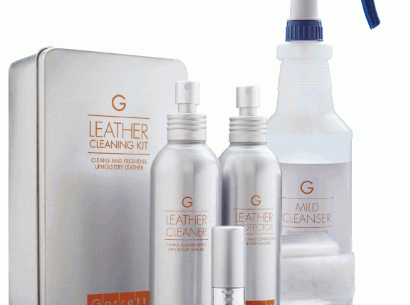
- Soft-bristled brush: Polish and restore the leather’s texture.
Be mindful of these pointers: be prompt with stain removal, avoid harsh chemicals, and don’t use abrasive tools!
Preparing the leather surface
When it comes to prepping the leather surface, there are a few key steps you need to follow to ensure a proper clean:
- Use a soft cloth or sponge to gently remove any dust or dirt from the leather surface.
- Apply a small amount of mild leather cleaner onto a clean cloth and gently rub it onto the surface in circular motions.
- Avoid using harsh chemicals or abrasive cleaners as they can damage the leather.
- If there are any deep stains or pen marks, you can use a specialized leather stain remover, following the instructions carefully.
- After cleaning, wipe down the leather surface with a clean, damp cloth to remove any leftover residue.
It’s important to note that different types of leather may require specific cleaning methods, so always check the manufacturer’s recommendations before proceeding. Taking these steps will help preserve the quality and appearance of your leather items.
For best results, it is recommended to treat the leather surface with a leather conditioner after cleaning. This will help moisturize and protect the leather, preventing it from drying out or becoming stiff. Additionally, regular maintenance and cleaning will prolong the lifespan of your leather items.
By following these steps and using the appropriate cleaning products, you can effectively remove pen marks from leather while preserving its integrity and beauty.
Before you start scrubbing away at your leather, make sure you’re not about to cause a whole new disaster – double-check the type and finish, because you wouldn’t want to turn that stain into an abstract art piece.
Checking the leather type and finish
Examining the Leather Type and Finish: Knowing the type and finish of the leather is key to properly cleaning and conditioning it while avoiding any harm or discoloration.
- Identify the Leather Type:
- Look at the surface texture and grain patterns to figure out if it’s full-grain, top-grain, genuine leather, or bonded leather.
- Search for any markings or labels that indicate the type of leather.
- Determine the Leather Finish:
- Determine if there is a protective coating or finish on the leather’s surface.
- Rub a small area with a wet cloth and check if color transfer occurs.
- If so, it’s likely a finished leather.
- Test with a Leather Cleaner:
- Put a small amount of leather cleaner on an area that won’t be seen.
- Watch out for harmful effects like discolorations or damage.
It’s important to note that each type and finish of leather requires its own care instructions. Following these steps will help you decide how to proceed with cleaning and conditioning the leather.
Since ancient times, recognizing different types and finishes of leather has been essential for preserving its quality. The Egyptians were the first to use animal hides for clothing and footwear. They realized that treating leather differently resulted in different qualities, leading to more advanced tanning processes ever since. Today, this knowledge is still invaluable for keeping our beloved leather items in good condition for longer.
Testing a small inconspicuous area for color fastness
Test the color fastness of a small, hidden spot on your leather surface – it’s essential! Neglecting this may cause irreversible damage and discoloration. Here’s how:
- Find a hidden spot: Pick an area that won’t be seen, like the underside of a cushion or the back of a sofa.
- Use a mild cleaner/conditioner: Dampen a white cloth with it and gently rub it on the spot. Don’t over-saturate.
- Look for color transfer: Observe the test area and cloth for any signs of dye transferring. If you do, stop and seek professional help.
- Check for discoloration: Let the area dry, then check it in good lighting for any changes. If none, proceed with cleaning and treating.
Don’t risk ruining your leather! Test color fastness first, then clean and condition. Keep your leather looking great for years!
Check out: Can You Steam Clean A Leather Sofa
Choosing an appropriate cleaning solution
Choosing the Right Cleaning Solution for Pen Marks on Leather
Pen marks on leather can be stubborn and difficult to remove. To effectively clean them, it is essential to choose the right cleaning solution. Here are six points to consider:
- Type of Leather: Different leather types may require different cleaning methods and solutions. Consider the specific type of leather and its sensitivity before selecting a cleaning solution.
- pH Balance: Opt for a cleaning solution with a pH balance suitable for leather. Avoid acidic or alkaline solutions as they can damage the leather’s finish and color.
- Test on Hidden Area: Before applying any cleaning solution, test it on a small, inconspicuous area of the leather. This will allow you to check for any adverse reactions or color fading.
- Mild Solutions: Start with mild cleaning solutions, such as a mixture of mild soap and water or specialized leather cleaners. These gentle options are less likely to cause damage while effectively removing pen marks.
- Avoid Harsh Chemicals: Harsh chemicals like bleach or solvents can strip away the leather’s natural oils and cause it to dry out or crack. Use cleaning solutions specifically designed for leather to avoid any potential damage.
- Seek Professional Help: If you’re uncertain about the best cleaning solution or if the pen marks are particularly stubborn, it is advisable to seek professional help. Leather cleaning experts have specialized knowledge and products to address tough stains effectively.
In addition, it’s important to note that prompt action is crucial. The longer pen marks are left on leather, the more difficult they become to remove. Acting quickly will increase your chances of successfully cleaning the leather and minimizing any visible damage.
To ensure the longevity and appearance of your leather items, choose the right cleaning solution carefully. By selecting a solution appropriate for the type of leather, testing it on a hidden area, and avoiding harsh chemicals, you can effectively clean pen marks off leather items and maintain their beauty for years to come.
Don’t miss out on the opportunity to restore your leather items to their original pristine condition. Take action now and choose the right cleaning solution to tackle pen marks on leather. Your leather belongings will thank you, and you’ll enjoy the satisfaction of a job well done.
Say goodbye to stubborn pen marks with the power of rubbing alcohol or nail polish remover, because leather and ink shouldn’t go hand in hand, but cleaning them up can be a stroke of genius.
Using rubbing alcohol or nail polish remover for stubborn pen marks
Wipe away those pesky pen stains with rubbing alcohol or nail polish remover! The solvents in these cleaning solutions help break down ink particles. Just make sure to test them on a small hidden area first, so they don’t cause any damage. Here’s how:
| Step | Instructions |
|---|---|
| 1 | Dampen a clean cloth with rubbing alcohol or nail polish remover. |
| 2 | Gently dab onto the pen mark. |
| 3 | Let the solution sit for a few minutes. |
| 4 | Blot the area with a clean cloth to lift the ink. |
| 5 | Repeat steps 1-4 if needed. |
| 6 | Rinse the treated area with water and pat dry. |
Ready to get those stains gone? Start wiping away those ugly pen marks today and enjoy spotless belongings!
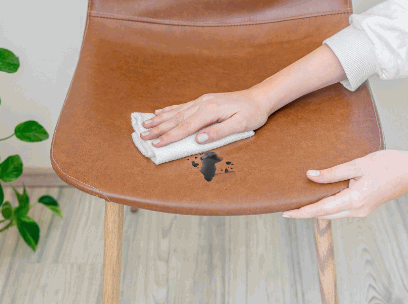
Using leather cleaning products for delicate or finished leather
- Pick items made of delicate or finished leather.
- Read instructions before using any cleaning solution on these leathers.
- Don’t use harsh chemicals or abrasive materials.
- Test the cleaning solution on a small, unseen area of the leather first.
- Be aware that different types of leather may call for different solutions.
- Consult with a professional if unsure.
Applying the cleaning solution
Applying the appropriate cleaning solution is crucial when removing pen marks from leather. Here is a concise and informative guide to help you tackle this issue effectively:
- Check for colorfastness: Before applying any cleaning solution, test it on a small, inconspicuous area of the leather to ensure it doesn’t cause discoloration or damage.
- Choose a suitable cleaning solution: Depending on the type and severity of the pen mark, select an appropriate cleaning solution. Options include rubbing alcohol, non-acetone nail polish remover, or a specialized leather cleaner.
- Dab the cleaning solution: Using a clean, white cloth, lightly dampen it with the chosen cleaning solution. Avoid saturating the cloth to prevent excess moisture from seeping into the leather.
- Blot the pen mark: Gently blot the pen mark with the dampened cloth. Be careful not to rub or scrub vigorously, as it may spread the stain or damage the leather surface.
- Repeat if necessary: If the pen mark persists, repeat the process, using a fresh section of the cloth and more cleaning solution if needed. Patience and repeated blotting may be required for stubborn stains.
- Air dry and condition: Once the pen mark is removed, allow the leather to air dry naturally. Avoid using any heat source, as it may cause the leather to shrink or crack. After drying, consider applying a leather conditioner to restore moisture and protect the leather’s finish.
It’s important to note that leather is a delicate material, and proper care is crucial to avoid any damage during the cleaning process.
A clean cloth and some cleaning solution – it’s like giving your leather a spa day, minus the cucumber slices and soothing whale sounds.
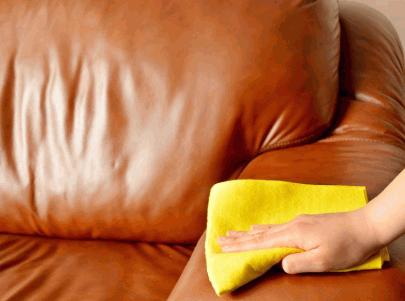
Dabbing the cleaning solution onto a clean cloth
- Choose a suitable clean cloth, like microfiber, to dab the cleaning solution onto.
- Pour a small amount onto the cloth.
- With gentle motions, apply the solution to the area.
- Repeat if needed.
- Blot away any remaining moisture with a dry cloth.
Be mindful that different cleaning solutions are made for different surfaces and materials. Refer to product instructions or seek professional help for delicate items. Proper usage of cleaning solutions maintains cleanliness and a healthy environment.
Start dabbing the cleaning solution onto a clean cloth today! You can effortlessly remove dirt and grime while ensuring optimal hygiene standards. Witness the transformative power of this simple yet effective technique!
Gently rubbing the pen mark in a circular motion
To get rid of pen marks, follow these simple steps:
- Moisten a clean cloth or sponge with water.
- Put a small amount of mild detergent or cleaning solution on the wet cloth.
- Rub the pen mark in a circular motion, from the outer edges inwards.
- Keep rubbing until the stain is gone.
- Circular motion helps spread the cleaning agent evenly, and gentle pressure stops damage to delicate surfaces. Excessive scrubbing can spread the stain, so be careful.
- Before using it on a visible spot, test the cleaning solution on an unnoticeable area.
- Then, pen marks will disappear without leaving any trace. Give it a try!
Removing residual ink
Removing Stubborn Ink Stains on Leather
To eliminate lingering traces of ink from leather, follow these steps:
- Blot the affected area gently with a clean, dry cloth to remove any excess ink.
- Dampen a white cloth with isopropyl alcohol and gently dab the stained area. Avoid rubbing vigorously to prevent spreading the ink.
- Let the alcohol sit on the stain for a few minutes to penetrate the ink.
- Afterward, blot the area dry with a clean cloth.
- Repeat the process if necessary until the ink stain is completely gone.
For extra protection, apply a leather conditioner or moisturizer to the treated area to prevent it from drying out.
Fact: Isopropyl alcohol is a commonly used solvent that effectively removes ink stains from leather surfaces.
Get ready to make a splash and give that stubborn pen ink a watery goodbye, just don’t forget to leave the scuba gear at home.
Using a clean cloth or sponge with water
Tackling residual ink stains can be tricky. But using a clean cloth or sponge with water is an effective method. Here’s a how-to:
| 1. Dampen the cloth: | Get the cloth or sponge wet with water. Not too much – too much moisture can damage certain surfaces. |
| 2. Blot the stain: | With the damp cloth, gently blot the area with ink. No scrubbing – that will just spread it more. |
| 3. Rinse and wring: | Now and then, rinse the cloth or sponge with clean water and wring out any excess liquid. This prevents ink transfer. |
| 4. Repeat if needed: | Depending on the severity of the stain, you may need to repeat steps 2 and 3 until it’s gone. |
| 5. Dry and assess: | Use a dry cloth or towel to absorb any leftover moisture from the surface. Assess if any ink is still visible. |
| 6. Consider other methods: | For stubborn ink marks, use specialized cleaning solutions or get help from a professional. |
It’s important to use a white cloth or sponge to prevent color transfer. Do a spot test on a hidden area before using water on sensitive materials like upholstery or fabrics.
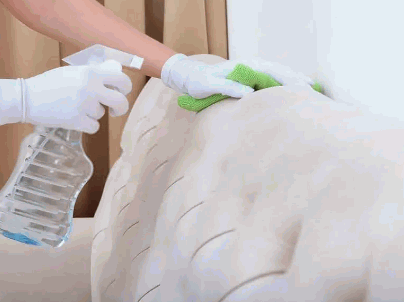
Blotting the area to remove excess moisture
- To remove ink stains, start by pressing a cloth or paper towel onto the area. Blot, don’t rub, to avoid pushing the ink in deeper. Keep blotting until no ink transfers. Then let the area air dry.
- Different materials may need different techniques, so a specialized cleaner or professional help might be necessary. It’s also important to act quickly. The longer the ink sits, the harder it is to remove.
- Sarah can attest to the importance of blotting! She spilled ink on her favorite white shirt but managed to get most of it out by blotting it with a clean cloth. So when faced with ink stains, blot away excess moisture!
Drying and conditioning the leather
Drying and conditioning the leather is essential for maintaining its quality and preventing damage. Follow these steps to properly care for your leather items:
- Remove any excess moisture or spills by blotting the area with a clean, dry cloth.
- Avoid using heat sources such as hairdryers to dry the leather, as it can cause further damage. Instead, allow the leather to air dry naturally.
- Once the leather is dry, apply a leather conditioner with a soft cloth. Make sure to evenly distribute the conditioner and follow the product instructions.
- Gently massage the conditioner into the leather, paying extra attention to any areas that may be dry or cracked.
- Leave the conditioner to penetrate the leather for the recommended amount of time, usually around 15 minutes, before wiping off any excess conditioner with a clean cloth.
- Regularly repeat this process every few months to keep your leather items moisturized, supple, and protected.
To ensure you don’t miss out on the benefits of properly drying and conditioning your leather items, take immediate action to protect and preserve your valuable possessions.
Letting the leather air dry is like watching paint dry but with fewer fumes and more potential for a captivating leather redemption story.
Allowing the leather to dry naturally
Leather is a natural material that needs to be dried properly to last. Here’s how to do it:
- Wipe the leather down with a damp cloth, then pat it dry.
- Don’t use direct heat sources such as hairdryers or heaters, as these can make the leather crack or brittle.
- Put the item in a breezy place, far from sunlight and artificial heat. This helps the air to circulate and quicken the drying process.
- Check up on the progress and move the piece around if needed for even drying. This prevents mold and mildew.
- Wait patiently for the leather to dry fully. Depending on the size and thickness, this could take hours or days.
When drying leather, remember to not hang wet items as they could stretch and deform. Also, don’t use a fan directly on them, as this can cause uneven drying and damage.
So why wait? Care for your leather with this simple yet effective method. Enjoy the longevity of timeless pieces!
Applying a leather conditioner to restore moisture and prevent cracking
To protect leather from cracking, you need a leather conditioner! It restores moisture and replaces lost oils and nutrients. Here are 5 steps to use it:
- Begin by cleaning the leather with a mild soap or cleaner. Wait until it’s dry.
- Choose a conditioner that fits the type of leather.
- Apply the conditioner with a clean cloth or sponge. Move in circles.
- Let the conditioner soak in for 10-15 minutes to deeply nourish the material.
- Gently buff the leather with a clean cloth or brush. This adds protection.
Here are some tips:
- Use only a bit of conditioner to avoid an oily or greasy look.
- Test it in a small area before full application to avoid reactions.
Don’t wait–condition your leather now for future beauty and quality.
Repeat if necessary
If the ink stain on your leather is still visible after following the steps in the previous section, it’s time to repeat the cleaning process. Here’s how:
- Mix equal parts of rubbing alcohol and water.
- Gently dab a clean cloth or sponge into the solution and blot the stained area, but don’t rub too hard – it may damage the leather.
- You can also use a leather cleaner specifically designed for removing ink stains.
- Apply a small amount of it onto a clean cloth and gently blot the stained area.
- Continue repeating these steps until the pen stain is gone.
- Different types of leather may need different cleaning methods, so check the manufacturer’s instructions or get professional advice.
- With patience and the right cleaning techniques, you can restore your leather item back to its original condition.
Tips for preventing future pen marks on leather
Pen marks on leather can be a nuisance, but there are ways to stop them from happening. Here are some tips to follow:
- Choose the right type of pen. Opt for pens with quick-drying ink or those specifically designed for leather. This will reduce smudging.
- Don’t press too hard when writing or drawing on leather. Excessive pressure can cause the ink to penetrate and leave marks.
- Apply a protective coating regularly to create a barrier between the leather and pen marks. This will make it easier to clean accidental marks.
- Keep pens away from leather items. Designate an area where pens and other staining items are kept separate.
Ink removal techniques may differ, depending on the leather type and severity of the stain. Test any cleaning agent on a small area first.
Remember, prevention is key when it comes to keeping pen marks away from leather items. Implementing these tips will help maintain the pristine condition of your leather and enjoy its beauty for years.
Conclusion
So, to clean the pen of the leather, a careful approach is needed. Following this guide’s steps will help you remove pen marks without harming the leather.
Besides the methods listed, a few special details must be considered. Rubbing alcohol and nail polish remover can help with tough stains, but it is vital to test them on a small spot first.
Plus, prevention is better than intervention. Keep pens capped when not in use and be aware of where you put them. Cleaning and conditioning leather products regularly will stop ink from getting absorbed.
In conclusion, when facing pen marks on leather, take quick action with the right cleaning methods. Use less orthodox techniques like rubbing alcohol and nail polish remover cautiously, and use preventive measures to retain the quality and look of your leather items.