

Welcome to the ultimate guide on bedroom furniture. As a key element of any bedroom, choosing the right furniture can greatly impact the functionality and aesthetics of the space. With so many options in the market, it can be overwhelming to make the right choice. But don’t worry, we’ve got you covered.
Factors to Consider When Choosing Bedroom Furniture
When it comes to furnishing your bedroom, there are many factors to consider in order to create a comfortable and functional space. From the size and layout of the room to your personal style and budget, each decision can greatly impact the overall look and feel of your bedroom. In this section, we will discuss the key factors to keep in mind when choosing bedroom furniture, including the size and layout of the room, your personal style and preferences, budget, functionality, and storage needs, as well as the material and durability of the furniture. By considering these factors, you can make informed decisions and create a bedroom that perfectly suits your needs and style.
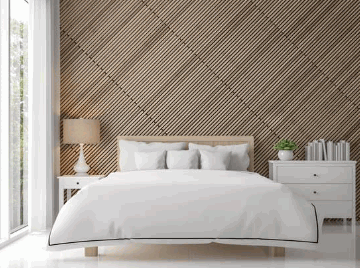
1. Size and Layout of the Bedroom
When selecting bedroom furniture, it is important to take into account the size and layout of the bedroom in order to create a functional and visually appealing space.
- Measure the dimensions of the bedroom to determine the available space for furniture.
- Consider the layout of doors, windows, and other architectural features to optimize furniture placement.
- Choose appropriately sized furniture pieces that fit comfortably in the room without overwhelming the space.
- Ensure there is enough clearance around furniture for easy movement and access.
- Take into account any existing built-in storage or closets that may affect furniture placement.
2. Personal Style and Preference
When selecting bedroom furniture, it is important to consider your personal style and preferences. Follow these steps to ensure that your furniture reflects your unique taste:
- Identify your preferred design style, whether it be modern, traditional, or rustic.
- Take into account your color preferences and choose furniture that complements your desired color scheme.
- Consider the overall mood you want to create in your bedroom and select furniture that embodies that ambiance.
- Think about your lifestyle and choose furniture that fits your needs and daily routines.
Fun Fact: Research has shown that incorporating personal style and preference into bedroom decor can greatly improve sleep quality and overall relaxation.
3. Budget
When considering the budget for bedroom furniture, follow these steps to make the most of your money:
- Set a budget: Determine how much you are willing to spend on bedroom furniture.
- Prioritize: Decide which pieces of furniture are essential and allocate a larger portion of your budget towards them.
- Research prices: Compare prices from different retailers to find the best deals and discounts.
- Consider quality: While sticking to your budget, prioritize furniture that is durable and built to last.
- Explore second-hand options: Look for gently used furniture that fits your budget and still meets your needs.
4. Functionality and Storage Needs
When selecting bedroom furniture, it is important to consider both functionality and storage. Opting for multifunctional pieces, such as beds with built-in drawers or storage ottomans, can help maximize space. It is also important to consider your storage needs for clothing and accessories and choose appropriate pieces like dressers, chests of drawers, and wardrobes. Look for furniture with adjustable shelves or modular units to optimize storage space. Additionally, consider the layout of your bedroom and how the furniture will fit within the space.
Prioritizing functionality will ensure that the furniture meets your specific storage needs while also complementing your personal style.
5. Material and Durability
When selecting bedroom furniture, it is important to carefully consider the material and durability of the pieces for long-lasting and functional use. Here are some steps to help guide you:
- Research materials: Take the time to become familiar with the various furniture materials available, such as wood, metal, or engineered wood.
- Assess durability: Look for materials that are able to withstand daily use and resist wear and tear.
- Consider maintenance: Choose materials that are easy to clean and maintain, especially if you have children or pets.
- Check construction quality: Inspect furniture for strong construction, including reinforced corners and sturdy joints.
- Read reviews: Research customer reviews to get an idea of the durability of specific furniture brands or materials.
Types of Bedroom Furniture
When it comes to furnishing your bedroom, there are many options to consider. From the essential pieces like a bed and dresser to the decorative elements like seating and accessories, each piece plays a role in creating a comfortable and functional space. In this section, we will discuss the different types of bedroom furniture available. From the main focal point of the bed to the finishing touches of decor, we will explore the various options and their purposes in creating your ideal bedroom.
1. Bed
When selecting a bed for your bedroom, there are several important factors to keep in mind to ensure you make the best decision:
- Size and Layout of the Bedroom: Measure the dimensions of your room and choose a bed size that fits comfortably without overwhelming the space.
- Style and Preference: Determine the type of bed that aligns with your personal taste and complements the overall aesthetic of the room.
- Budget: Set a budget for the bed and explore options within that range, considering both quality and affordability.
- Functionality and Storage Needs: Evaluate if you require additional storage options, such as under-bed drawers or a bed with built-in storage.
- Material and Durability: Take into account the durability and maintenance requirements of various bed materials, such as wood, metal, or upholstered.
By carefully considering these factors, you can discover the perfect bed that combines comfort, style, and functionality for your bedroom.
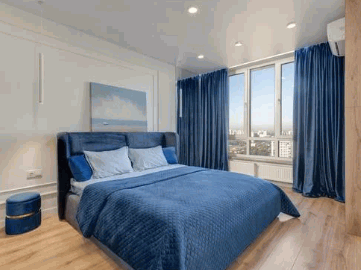
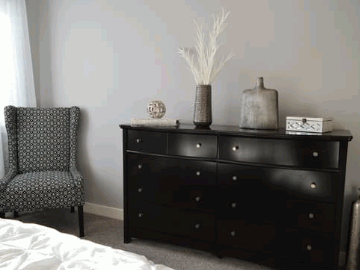
2. Dresser and Chest of Drawers
When selecting a dresser and chest of drawers for your bedroom, follow these steps:
- Assess your storage needs and the available space.
- Determine the size and style that complements your bedroom decor.
- Consider the number and sizes of drawers.
- Check the quality of construction and durability of the furniture.
- Choose a material, such as solid wood or engineered wood.
- Consider additional features like a mirror or jewelry storage.
- Set a budget and compare prices from different brands.
Dressers and chests of drawers have been utilized for centuries to store clothing and personal belongings. They originated in Europe during the Renaissance period and were primarily crafted from wood. As time passed, various styles emerged, incorporating different materials and designs. Today, dressers and chests of drawers are essential pieces of bedroom furniture, offering both practicality and aesthetic appeal.
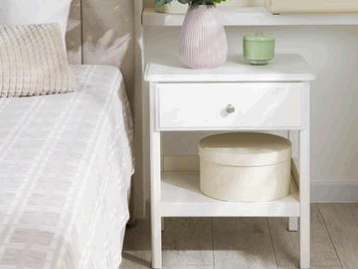
3. Nightstands
When selecting nightstands for your bedroom, be sure to follow these steps:
- Measure your space: Determine the available space to ensure the nightstands fit comfortably.
- Consider height: Choose nightstands that are level with your mattress for easy access.
- Storage needs: Decide if you need drawers or shelves to keep essentials close by.
- Style and design: Match the nightstands to your overall bedroom aesthetic for a cohesive look.
- Functionality: Look for features like built-in charging ports or integrated lighting for added convenience.
Pro-tip: Opt for nightstands with a mix of open and closed storage to keep items organized and easily accessible.
4. Wardrobe or Armoire
A wardrobe or armoire is an essential piece of bedroom furniture that provides storage for clothing, accessories, and other personal items. When selecting a wardrobe or armoire, keep in mind factors such as the size of your bedroom, your personal style, budget, and storage needs. It is important to choose a durable material and ensure that there is enough space for all of your belongings.
Popular options include:
- Standalone wardrobes
- Built-in closets
- Armoires with drawers and shelves
Make sure to choose a style that complements the overall aesthetic of your bedroom. A well-chosen wardrobe or armoire can not only add functionality but also enhance the visual appeal of your bedroom.

5. Vanity
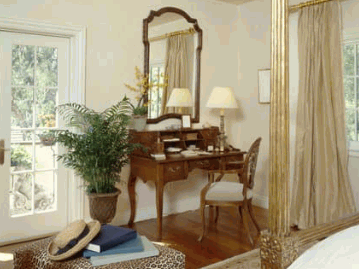
When selecting a vanity for your bedroom, take into account the following factors:
- Space: Be sure to measure the available space to ensure the vanity fits comfortably in your bedroom.
- Storage: Determine the amount of storage necessary for your beauty products and accessories.
- Style: Choose a vanity that complements your bedroom’s decor and reflects your personal style.
- Mirror: Decide if you prefer a vanity with an attached or separate mirror.
- Functionality: Consider additional features such as built-in lighting or adjustable mirrors.
6. Seating Options
When selecting seating options for your bedroom, it is important to consider comfort, style, and functionality. Follow these steps to ensure you make the best choice:
- First, assess the available space and determine the appropriate size of seating.
- Next, decide on the type of seating that best suits your preferences, such as an accent chair, chaise lounge, or bench.
- Choose upholstery materials and colors that complement your bedroom’s decor.
- Consider any additional features, such as storage compartments or reclining capabilities.
- Make sure the seating is comfortable and supportive for relaxation and reading.

7. Accessories and Decor
When it comes to bedroom furniture, accessories and decor play a crucial role in enhancing the overall aesthetic appeal and creating a cozy atmosphere. Here are some steps to consider when choosing accessories and decor for your bedroom:
- Select a cohesive color scheme and theme that complements your personal style and creates a harmonious look.
- Choose appropriate lighting fixtures, such as bedside lamps or pendant lights, to create a warm and inviting ambiance.
- Incorporate decorative elements like artwork, mirrors, or wall decals to add visual interest and reflect your personality.
- Add soft furnishings like throw pillows, blankets, and rugs to create a cozy and comfortable space.
- Consider functional accessories like storage baskets, jewelry organizers, or decorative trays to keep your bedroom organized and clutter-free.
- Introduce plants or flowers to bring a touch of nature into your bedroom and create a fresh and serene atmosphere.
- Personalize your bedroom with cherished mementos, family photos, or sentimental items that bring joy and make the space feel truly yours.
Tips for Arranging Bedroom Furniture
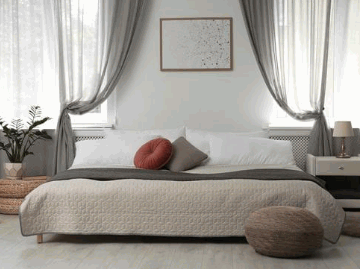
When it comes to designing a bedroom, furniture arrangement is key to creating a comfortable and functional space. In this section, we will discuss some helpful tips for arranging bedroom furniture. From starting with the bed as the focal point to utilizing wall space and adding personal touches, we’ll cover all aspects of creating a well-designed and balanced bedroom layout. These tips will not only improve the aesthetics of your bedroom but also enhance the overall functionality and flow of the space.
1. Start with the Bed
When arranging bedroom furniture, it is important to start with the bed as the focal point. Follow these steps:
- Begin by measuring the bedroom to determine the available space.
- Next, choose the right size bed based on the room dimensions.
- Consider the layout of the room and position the bed in the best location.
- Make sure there is enough space around the bed for movement and other furniture.
- Take into consideration the style and design of the bed to match your personal preferences.
- Select a comfortable mattress and bedding to complete the bed setup.
- Once the bed is in place, arrange other furniture and accessories accordingly.
Discover: How To Clean A Mattress
2. Consider Traffic Flow
Considering traffic flow is an important factor when choosing bedroom furniture. Here are some steps to help you optimize traffic flow in your bedroom:
- Assess the layout of your bedroom and identify the main traffic areas.
- Avoid placing furniture in pathways that could obstruct movement.
- Ensure there is enough space between furniture pieces for easy navigation.
- Consider the placement of doors, windows, and closets to determine furniture positioning.
- Opt for furniture with rounded corners to prevent injuries and improve traffic flow.
3. Create Balance and Symmetry
Creating balance and symmetry in your bedroom furniture arrangement is essential for a harmonious and visually pleasing space.
- Start with the bed: Place it in the center of the room or against a focal point, such as a wall or window.
- Consider traffic flow: Leave enough space to move around the room comfortably without any obstructions.
- For a balanced and symmetrical look, use matching nightstands and lamps on either side of the bed.
- Utilize wall space: Hang artwork or mirrors above the bed and on other walls to add visual interest and balance the furniture placement.
- Add personal touches: Incorporate accessories and decor that complement the overall style and color scheme of the room, such as throw pillows or a decorative rug.
4. Utilize Wall Space
To effectively utilize wall space when arranging bedroom furniture, follow these steps:
- Mount shelves or floating wall shelves to provide storage and display options without taking up floor space.
- Hang a wall-mounted desk or a foldable desk to create a functional workspace.
- Install wall hooks or hooks behind doors for hanging items like hats, bags, or jewelry.
- Use a wall-mounted TV or projector to save space and create a sleek look.
- Opt for a wall-mounted bedside table or floating nightstand to free up floor space.
- Consider installing wall sconces or pendant lights instead of table lamps to save space on bedside tables.
- Add decorative wall art, mirrors, or decals to enhance the aesthetic appeal of the room without taking up floor space.
5. Add Personal Touches
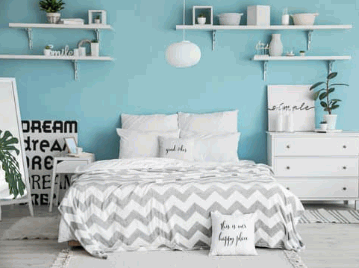
Adding personal touches to your bedroom furniture can make it feel like a true reflection of your style and personality. Here are some steps to help you achieve that:
- Choose meaningful decor items, such as photographs, artwork, or sentimental objects, that resonate with you.
- Incorporate textures and patterns that you love, whether it’s through rugs, pillows, or curtains.
- Add pops of color with accent pieces like throw blankets or decorative pillows.
- Showcase your hobbies or interests by displaying items related to them, such as books, instruments, or sports memorabilia.
- Create a cozy and inviting atmosphere with soft lighting, such as bedside lamps or string lights.
Remember, the goal is to make your bedroom a space that brings you joy and comfort. Have fun experimenting with different elements until you achieve the perfect personalized look.