In today’s article, we will delve into the essential reasons for having a backyard fence and explore the various types available to suit your needs. Whether it’s for privacy, security, or simply enhancing the aesthetic appeal of your outdoor space, a backyard fence can serve multiple purposes. We will also provide valuable insights into choosing the right fence for your specific requirements, considering factors such as material, budget, and maintenance.
We’ll walk you through the step-by-step process of installing a backyard fence, from marking the fence line to adding the finishing touches. We’ll discuss the crucial aspects of maintaining your backyard fence to ensure its longevity and performance. So, if you’re considering adding a fence to your outdoor area or looking to upgrade your existing one, read on to gain expert knowledge and make informed decisions.
Why Do You Need A Backyard Fence?
Installing a backyard fence serves various purposes, including enhancing security, ensuring privacy, defining property boundaries, and adding a touch of landscaping and home improvement to outdoor spaces.
The presence of a well-constructed fence provides a sense of security, deterring unauthorized entry and safeguarding children and pets within the confines of the property. It creates a secluded haven, shielding homeowners from prying eyes and external disturbances.
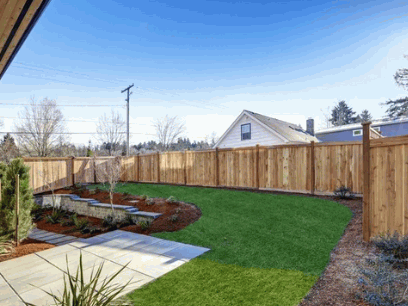
From a visual standpoint, the fence complements the overall landscaping, serving as a backdrop for blooming foliage and enhancing the curb appeal of the property. It significantly contributes to the property value, making it a worthwhile investment for homeowners looking to enhance their outdoor living space.
What Are The Types Of Backyard Fences?
Backyard fences come in various types, with popular options including wood, vinyl, aluminum, chain link, and wrought iron fences, each offering unique features and aesthetic appeal.
Wood fences are favored for their natural beauty and versatility, creating a charming and traditional look. They provide privacy and can be stained or painted to match the property’s aesthetics.
Vinyl fences, on the other hand, offer low maintenance and durability, making them suitable for modern homes. Aluminum fences are known for their ornamental designs and rust resistance, ideal for enhancing curb appeal.
Chain link fences are cost-effective and provide visibility while securing the property. Wrought iron fences exude elegance and are perfect for adding a timeless touch to the landscape.
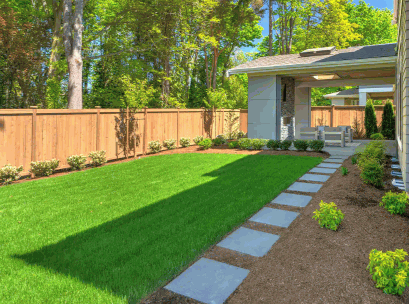
Wood Fences
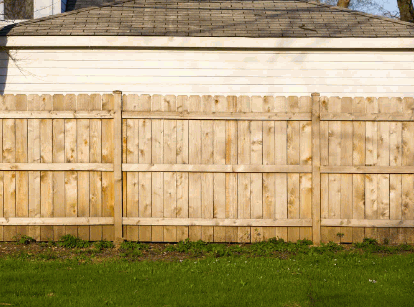
Wood fences are a popular choice for backyard boundaries, providing a natural and aesthetically pleasing option that enhances privacy and delineates property boundaries.
The natural appearance of wood blends seamlessly with outdoor environments, adding a warm and inviting touch to any property. With various designs and wood types available, homeowners can choose a style that complements their landscape, whether it’s a classic picket fence or a more modern horizontal slat design. The thickness and height of wood panels can be customized to optimize privacy, creating a tranquil oasis within the outdoor space.
The natural beauty and functionality of wood fences make them a sought-after choice for outdoor settings.
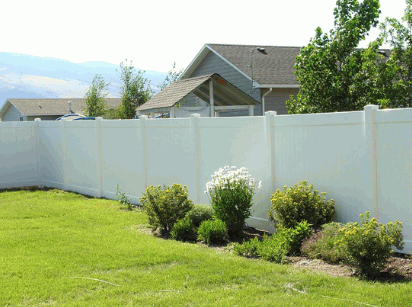
Vinyl Fences
Vinyl fences are known for their low maintenance, durability, and aesthetic appeal, making them a popular choice for ensuring privacy and enhancing the visual appeal of backyards.
Their durable nature ensures long-lasting performance, requiring minimal upkeep compared to traditional wood or metal fences. This means less time and money spent on repairs and maintenance, allowing homeowners to enjoy their outdoor spaces without the hassle of constant upkeep.
Their sleek and versatile designs add a touch of elegance to any outdoor setting, complementing various architectural styles and landscaping choices.
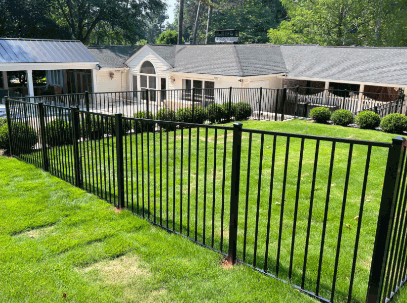
Aluminum Fences
Aluminum fences are prized for their combination of security and ornamental value, making them a versatile choice for property enhancement and landscaping in backyard settings.
They offer an effective deterrent against unauthorized entry and ensure the safety of children and pets, while also lending a touch of elegance and charm to the outdoor space. The sturdy construction and low-maintenance nature of aluminum fences make them a practical solution for homeowners looking to enhance the visual appeal of their property. Whether used to enclose a pool, define a garden area, or border the perimeter, these fences seamlessly blend functionality with aesthetic appeal, adding value to any landscaping project.
Explore further: How To Install Aluminium Pool Fence
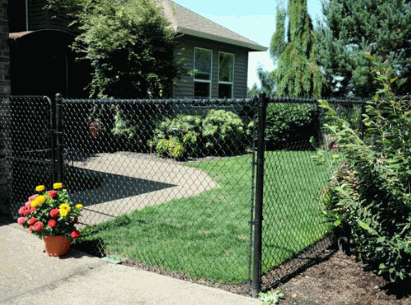
Chain Link Fences
Chain link fences offer a cost-effective and utilitarian solution, serving as boundary markers and privacy screens in backyard environments.
Their affordability and durability make them an ideal choice for property owners looking to secure their space without breaking the bank. The open weave design provides visibility while still creating a barrier, making them perfect for defining the boundaries of a yard or garden. The option to add privacy slats or plants further enhances their functionality by offering customizable levels of privacy. With their low maintenance requirements and long lifespan, chain link fences are a practical and versatile option for both residential and commercial properties.
Wrought Iron Fences
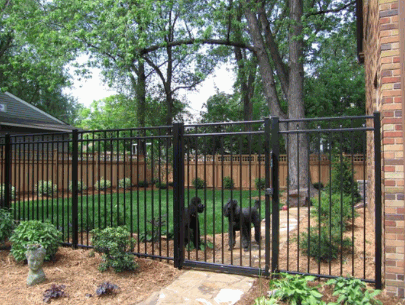
Wrought iron fences exude elegance while providing security and longevity, making them an ideal choice for enhancing the aesthetics of backyards.
The intricate designs and graceful curves of wrought iron fences effortlessly complement the natural beauty of outdoor spaces. Beyond their visual appeal, these fences offer robust security, acting as a formidable deterrent to trespassers. Their durable construction ensures that they stand the test of time, requiring minimal maintenance while enduring varying weather conditions.
The versatility of wrought iron allows for customization, enabling homeowners to tailor the fences to their unique backyard aesthetics, whether it be a classic, ornate design or a modern, minimalist approach.
How To Choose The Right Fence For Your Backyard?
Selecting the right fence for your backyard involves considering your specific needs, local regulations, budget constraints, and maintenance requirements, to ensure that it aligns with your preferences and practical considerations.
Understanding your specific needs is crucial when deciding on the type of fence – whether it’s for privacy, security, or aesthetic purposes. Local regulations play a vital role, in dictating the permissible height, materials, and placement of the fence. Managing budget constraints requires a balance between initial investment and long-term maintenance costs. It’s essential to factor in the upkeep and potential repairs to ensure the fence remains in good condition. By assessing these considerations, you can select a fence that suits your backyard perfectly.
Consider Your Needs
When choosing a backyard fence, it’s crucial to consider your specific needs related to privacy, security, aesthetics, and property boundary definition, ensuring that the selected fence fulfills these essential requirements.
This consideration can shape the material, height, and design of the fence. For instance, for privacy, opting for a solid panel fence or one with minimal gaps can be ideal. If security is a priority, a sturdy fence with locked gates provides protection. Aesthetically, the fence should complement the overall style of the property.
Defining property boundaries accurately is crucial for legal and practical reasons, making it important to select a fence that clearly demarcates the boundaries.
Check Local Regulations
Before installing a backyard fence, it’s essential to thoroughly check local regulations, obtain any necessary permits, understand property line guidelines, and ensure compliance with safety standards to avoid potential legal and safety issues.
Meeting local regulations for backyard fence installations involves adhering to specific permit requirements, such as submitting detailed plans for approval. Understanding property line guidelines is crucial to prevent encroachment issues with neighboring properties, and it may involve obtaining a survey to accurately mark boundaries.
Compliance with safety standards ensures that the fence meets structural and height requirements, reducing the risk of accidents or injuries. Failure to adhere to these regulations can lead to costly fines, forced removal of the fence, and strained relationships with neighbors.
Determine Your Budget
Determining your budget for the backyard fence involves assessing the overall cost, including materials and installation, while considering it as a long-term investment that adds value to your property and enhances your outdoor living space.
When planning the budget for the fence, factoring in the cost of quality materials, such as wood, vinyl, or wrought iron, is essential. Labor and installation charges should be accounted for to ensure a comprehensive understanding of the financial commitment. This investment not only provides security and privacy but also enhances the aesthetic appeal of your property, adding to its overall value.
By choosing durable materials and professional installation, the fence serves as a long-term asset, offering both functional and aesthetic benefits.
Consider Maintenance
Maintenance considerations for a backyard fence encompass assessing durability, aesthetics, and the impact on property value, ensuring that the chosen fence requires maintenance efforts aligned with your preferences and long-term property goals.
It is crucial to comprehend how maintenance requirements can significantly impact the overall appeal and longevity of the fence. By carefully considering maintenance needs, you can select a fence that not only enhances the visual appeal of your outdoor space but also contributes to the enduring value of your property.
A well-maintained fence can serve as a pivotal element of your property’s overall aesthetic, while also playing a vital role in preserving its market value and curb appeal. Therefore, the maintenance aspect should never be overlooked when making decisions about your backyard fence.
What Are The Steps To Install A Backyard Fence?
Installing a backyard fence involves a series of steps, including:
- Marking the fence line
- Digging holes for posts
- Setting the posts in concrete
- Installing the fence panels
- Adding finishing touches
Each step requires precise measurements and the use of specific tools.
After marking the fence line, it’s crucial to accurately measure and lay out the post locations before using a post-hole digger to dig the holes. Once the holes are ready, the posts are positioned and secured with concrete for stability. Leveling the posts is essential to ensure the fence panels will be straight.
As you install the panels using a hammer and saw to make any necessary adjustments, attention to detail and precision in measurements will result in a professionally constructed backyard fence.
Mark The Fence Line
The initial step in installing a backyard fence involves marking the fence line, which requires precise measurements and alignment with property boundaries to ensure accurate positioning and compliance with property lines.
This process begins by pinpointing the exact property boundaries using a land survey or property deed. Once the boundaries are established, measuring tools such as a tape measure or laser level are used to mark the designated fence line. Ensuring the fence line is parallel to the property boundaries is crucial to avoid encroachment issues and maintain a harmonious relationship with neighboring properties.
Dig Holes For Posts
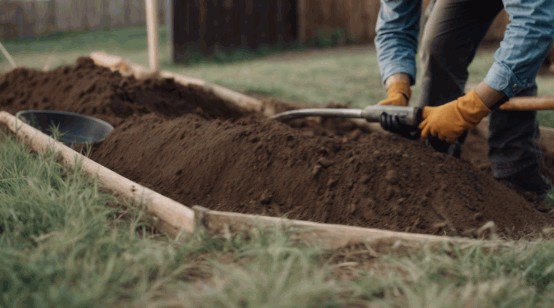
Digging holes for posts is a crucial step in the fence installation process, requiring the use of a post-hole digger to achieve the appropriate depth and stability for securely anchoring the fence posts.
This process involves carefully positioning the post-hole digger at the designated location and using it to dig a hole that matches the required depth for the specific type of fence post. It’s essential to ensure that the holes are deep enough to provide ample stability and support for the fence.
The stability of the posts is vital in maintaining the overall strength and longevity of the fence, as they serve as the foundation for the entire structure and determine its ability to withstand external forces and environmental conditions. Therefore, achieving the correct depth and stability through proper post-hole digging is critical for the overall durability and effectiveness of the fence.
Set The Posts In Concrete
Setting the posts in concrete is a critical phase of the fence installation, requiring proper leveling and alignment to ensure stability and effective anchoring of the fence structure.
By carefully measuring and ensuring the correct placement of each post, you can prevent future leaning or instability in the fence line. Ensuring that the posts are perfectly vertical and securely anchored in the concrete will provide the necessary support for the entire fence, especially in areas with varying ground levels or heavy wind loads. Precise leveling and alignment play a pivotal role in the structural integrity of the fence, contributing to its overall durability and longevity.
Install The Fence Panels
Installing the fence panels involves attaching them to the posts or rails, requiring careful consideration of the design and aesthetics to ensure a visually appealing and structurally sound installation.
Proper attachment of the panels to the posts or rails is essential for the stability and integrity of the entire fence structure. When considering design and aesthetics, the positioning and alignment of the panels play a crucial role in achieving a cohesive and pleasing look. The choice of materials, colors, and finishes should complement the overall style of the property. A well-installed fence not only enhances the property’s visual appeal but also provides privacy and security, making it an important aspect of property design and landscaping.
Add Finishing Touches
Adding finishing touches to the installed fence may include attaching a gate, decorative elements, or additional features that contribute to property enhancement and serve as the final embellishments for the backyard enclosure.
The addition of a gate not only provides security but also offers a welcoming entry point to the outdoor space. Incorporating decorative elements such as ornate post caps, lattice panels, or climbing vines can transform the fence into a visually striking feature that complements the property’s aesthetics.
Integrating practical features like lighting fixtures or motion-sensor alarms can enhance the functionality of the fence, providing added safety and convenience for the property occupants.
How To Maintain Your Backyard Fence?
Maintaining your backyard fence involves regular cleaning, prompt repair of any damage, and the application of a protective coating to ensure its longevity, aesthetics, and functionality over time.
Regular cleaning is essential to remove dirt, grime, and debris that can build up on the fence, hindering its beauty and leading to deterioration. Immediate repair of any damage, such as loose boards or rust spots, is crucial to prevent further structural issues. The application of protective coatings like sealants or paints not only enhances the fence’s appearance but also provides a barrier against weathering, UV rays, and moisture, ultimately extending its lifespan and preserving its overall integrity.
Regular Cleaning
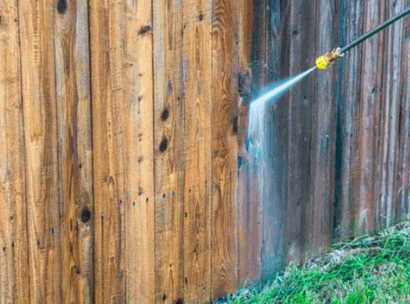
Regular cleaning of the backyard fence involves the removal of dirt, debris, mold, and mildew, contributing to its overall maintenance and preserving its visual appeal and structural integrity.
By regularly removing built-up dirt and debris, you can prevent the growth of mold and mildew, which not only keeps the fence looking its best but also ensures its longevity. A thorough cleaning also helps to maintain the integrity of the material, preventing potential damage and extending the lifespan of the fence.
With the impact of weather and environmental factors, regular cleaning becomes essential to uphold the fence’s durability and appearance.
Repair Any Damage
Promptly addressing any damage, such as cracks, rot, or rust, is essential for the maintenance and restoration of the backyard fence, ensuring its structural soundness and aesthetic appeal are preserved.
Neglecting to repair these issues can lead to further deterioration, compromising the fence’s stability and visual appeal. Timely repairs not only prevent costly replacements but also contribute to the overall safety and beauty of the outdoor space.
By addressing damage promptly, homeowners can extend the lifespan of the fence and maintain a welcoming and well-kept backyard environment.
Apply Protective Coating
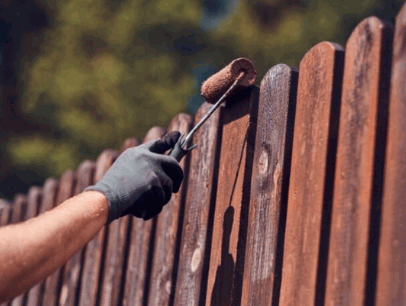
Applying a protective coating or sealant to the backyard fence offers weather protection and preservation benefits, safeguarding its material integrity and prolonging its functional and aesthetic lifespan.
The application of a protective coating forms a barrier against environmental elements, such as rain, UV rays, and moisture, which can cause degradation and discoloration of the wood. This significantly extends the fence’s longevity, reducing the need for frequent repairs or replacements. Sealants help maintain the natural beauty of the wood, enhancing the overall appearance of the fence and adding value to the outdoor space. By regularly applying protective coatings, homeowners can ensure that their backyard fences remain strong, durable, and visually appealing for years to come.