
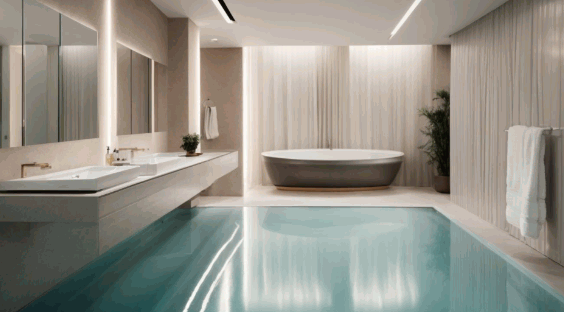
Looking to renovate your bathroom flooring? Epoxy flooring might just be the solution you’re looking for. In this article, we’ll explore what epoxy flooring is, how it’s applied, and the different types available. We’ll also delve into the question of whether epoxy flooring can be used in bathrooms, along with the benefits and risks involved. Stay tuned to learn how to prepare your bathroom floor for epoxy flooring and the step-by-step process of applying it.
What Is Epoxy Flooring?
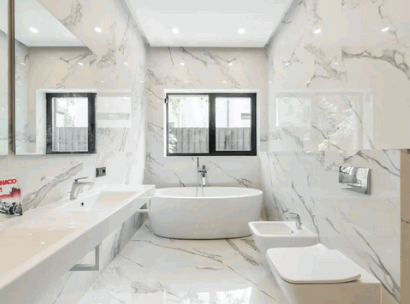
Epoxy flooring is a durable and waterproof solution that is commonly used in both residential and commercial settings for its exceptional durability and resistance to moisture.
The seamless nature of epoxy flooring makes it an ideal choice for areas where spills or leaks are common, as it forms a protective barrier that prevents water damage and stains. The installation process of epoxy flooring is relatively straightforward, often involving cleaning the existing floor, applying the epoxy resin, and allowing it to cure. This simplicity not only saves time but also reduces the disruption to daily operations during installation, making it a practical flooring solution for many different spaces.
How Is Epoxy Flooring Applied?
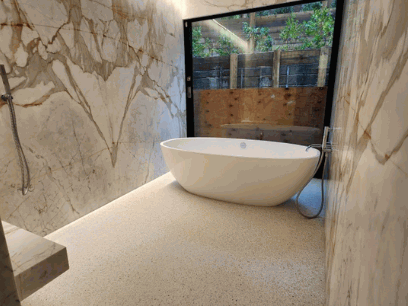
The application of epoxy flooring involves a meticulous process of applying the epoxy resin mixture onto the prepared surface, ensuring a seamless and hardwearing finish with a protective sealant.
To begin the process, the surface must be thoroughly cleaned and prepped to ensure proper adhesion. This involves removing any existing coatings, stains, or dust that could interfere with the bond. After cleaning, any cracks or imperfections in the surface should be repaired using a suitable filler. Once the surface is pristine, the epoxy mixture is mixed according to the manufacturer’s instructions and applied evenly using a roller or squeegee. It is crucial to work in small sections to maintain control and achieve consistent coverage. The final step involves applying a topcoat sealer to protect the epoxy finish from wear and tear, ensuring its durability over time.
What Types Of Epoxy Flooring Are Available?
There are several types of epoxy flooring available, each offering unique options for coating and customization to enhance the aesthetics and functionality of the space.
- Self-leveling epoxy floors are popular for their smooth and seamless finish, making them ideal for areas with high foot traffic.
- Mortar floors, on the other hand, are highly durable and can withstand heavy loads, perfect for industrial settings.
- Graveled epoxy floors provide a textured surface for added slip resistance, suitable for outdoor spaces.
- Terrazzo floors offer a luxurious look with customizable designs incorporating a blend of materials like marble, glass, or quartz chips, creating a stunning and durable flooring option.
Self-Leveling Epoxy Floors
Self-leveling epoxy floors offer a seamless and hygienic surface that is easy to maintain and ideal for high-traffic areas due to their smooth and uniform finish.
The seamless nature of self-leveling epoxy floors not only creates a visually appealing environment but also eliminates the grout lines or seams where dirt and bacteria can accumulate in traditional flooring options. This feature makes them highly hygienic and easy to clean, promoting a healthy and safe space for occupants.
In environments with heavy foot traffic, such as commercial kitchens, hospitals, or industrial facilities, the durability and resistance to wear and tear make self-leveling epoxy floors an excellent choice. Their smooth and level finish provides a professional look while enhancing the overall aesthetic appeal of the space.
Mortar Epoxy Floors
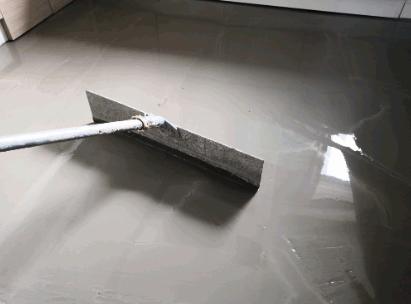
Mortar epoxy floors provide a protective and resistant surface that is especially suited for areas requiring enhanced durability and protection against chemical exposure.
They are ideal for industrial settings where heavy machinery and chemicals are present, as they form a tough barrier against wear and tear. The seamless and smooth finish of these floors not only enhances the aesthetics of the space but also makes them easy to clean, maintaining a hygienic environment.
In environments where spills and stains are common, such as laboratories or manufacturing facilities, mortar epoxy floors offer a reliable solution by preventing liquids from seeping through and causing damage. Their long-lasting nature ensures that they can withstand daily wear and tear, making them a cost-effective choice in the long run.
Graveled Epoxy Floors
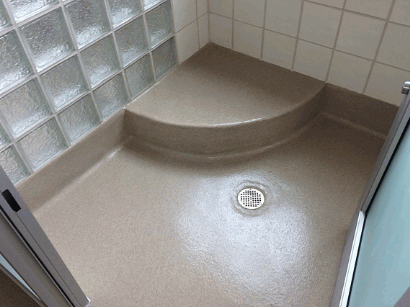
Graveled epoxy floors combine functionality with aesthetics, offering a slip-resistant surface that enhances the visual appeal of the space with customizable gravel patterns.
They provide a practical solution for high-traffic areas where slip resistance is crucial, ensuring safety without compromising style. The incorporation of various gravel sizes and colors allows for a personalized touch, making each floor unique. These floors strike a perfect balance between safety features and design elements, catering to both practical needs and visual preferences. The texture of the gravel not only adds to the overall aesthetics but also contributes to the slip-resistant quality of the floor, creating a durable and visually appealing surface.
Terrazzo Epoxy Floors
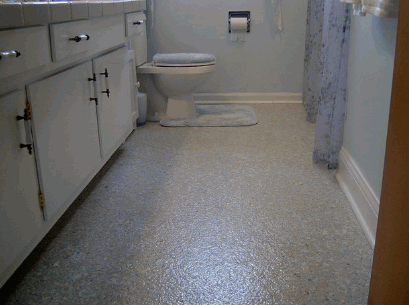
Terrazzo epoxy floors exude elegance with a glossy finish while providing excellent stain resistance and durability, making them a popular choice for modern interior design.
Their high level of sheen not only adds a touch of luxury to any room but also enhances the overall aesthetic appeal. In addition to their stunning appearance, these floors are incredibly easy to clean and maintain, making them ideal for high-traffic areas in residential or commercial spaces.
The seamless nature of terrazzo epoxy floors creates a smooth and uniform surface, contributing to a sense of continuity and sophistication in any design scheme. Their ability to resist stains and spills effortlessly assures long-lasting beauty, catering to both practicality and style.
Can Epoxy Flooring Be Used In Bathrooms?
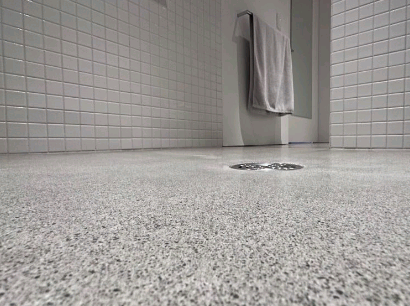
Epoxy flooring can be a practical and stylish choice for bathrooms due to its waterproof nature, durability, and versatile design options that can complement various interior decor styles.
Its seamless installation prevents water seepage, making it ideal for moisture-prone areas like bathrooms. The sturdy nature of epoxy ensures it can withstand regular exposure to water and high humidity levels without warping or deteriorating. When it comes to design, epoxy flooring offers a wide range of colors, patterns, and finishes, allowing homeowners to create a customized look that matches their unique aesthetic preferences in the bathroom space.
What Are The Benefits Of Using Epoxy Flooring In Bathrooms?
Using epoxy flooring in bathrooms offers numerous benefits, including waterproof properties, resistance to moisture, and a protective seal that enhances the longevity of the bathroom floor.
- This type of flooring is specifically designed to withstand high levels of humidity and water exposure, making it ideal for bathrooms where moisture is a constant presence.
- The waterproof nature of epoxy flooring creates a seamless barrier that prevents water from seeping into the subfloor, protecting it from damage and mold growth.
The moisture resistance of epoxy flooring eliminates the risk of warping or buckling, ensuring a durable and low-maintenance solution for your bathroom floors.
What Are The Risks Of Using Epoxy Flooring In Bathrooms?
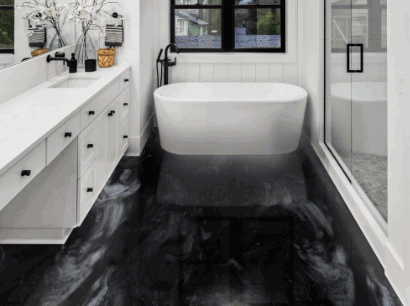
While epoxy flooring in bathrooms offers many benefits, there are risks associated with improper maintenance that can lead to deterioration of the epoxy surface over time.
One of the main challenges with maintaining epoxy flooring in bathrooms is the susceptibility to water damage. If not properly sealed and cared for, water can seep into the surface, causing it to bubble, crack, and peel. This not only affects the aesthetics of the flooring but also compromises its durability.
Using harsh cleaning agents can strip away the protective layer of the epoxy, making it more prone to stains and discoloration. Regular maintenance such as gentle cleaning with non-abrasive products and resealing the surface when needed is crucial to prolonging the lifespan and preserving the attractive appearance of epoxy flooring in bathrooms.
How To Prepare A Bathroom Floor For Epoxy Flooring?
Preparing a bathroom floor for epoxy flooring involves thorough cleaning, repairing any imperfections, and applying a suitable primer to ensure proper adhesion and longevity of the epoxy finish.
- To start the process, begin by removing any existing flooring materials and thoroughly cleaning the surface to eliminate any dirt, grime, or old sealants. It is crucial to ensure that the floor is completely free of any residue that could hinder the epoxy’s ability to adhere properly.
- Next, inspect the floor for any cracks, chips, or holes, and address them by filling and smoothing them out using a suitable repair compound to create a seamless base.
- Once the repairs are completed, the next crucial step is to apply a high-quality primer specifically designed for use with epoxy coatings. The primer will help create a strong bond between the epoxy and the floor, ensuring a durable and long-lasting finish.
Clean The Floor Thoroughly
Thoroughly cleaning the bathroom floor is crucial before applying epoxy flooring to ensure the removal of any dirt, grime, or moisture that could affect the adhesion and durability of the epoxy finish.
This cleaning process not only eliminates visible contaminants but also tackles hidden moisture and substances that might compromise the epoxy’s bond with the floor. By ensuring a clean and dry surface, you create an ideal foundation for the epoxy application, allowing it to adhere seamlessly and provide long-lasting protection against wear and tear. Removing any trace of debris or moisture is essential for achieving a smooth and flawless epoxy finish, enhancing both the aesthetic appeal and the longevity of the flooring.
Repair Any Cracks Or Imperfections
Repairing any cracks or imperfections on the bathroom floor is essential to create a smooth and even surface for the epoxy application, preventing future issues and ensuring a flawless finish.
By addressing these surface irregularities before applying epoxy, you are not only improving the visual appeal of your bathroom but also enhancing its durability. Small cracks and imperfections, if left unattended, can worsen over time and compromise the integrity of the epoxy coating.
The process of fixing these imperfections involves carefully inspecting the floor, filling in any gaps or cracks with an appropriate filler, and sanding down any rough areas to achieve a level surface. This meticulous preparation ensures that the epoxy adheres properly and provides a long-lasting finish that is both attractive and functional.
Apply A Primer
Applying a primer is a crucial step in preparing a bathroom floor for epoxy flooring, as it helps seal the surface, improve adhesion, and enhance the longevity of the epoxy coating.
By sealing the surface, the primer creates a barrier that prevents moisture and other harmful substances from penetrating the substrate, which is essential for maintaining the integrity of the epoxy finish.
The primer significantly enhances the bond between the epoxy and the underlying concrete or tile surface, ensuring a strong and durable adhesion. This adhesion is essential in high-moisture areas like bathrooms, where the flooring is subjected to constant water exposure.
In addition to adhesion improvement, the primer offers an extra layer of protection, safeguarding the epoxy flooring against wear, scratches, and impacts.
What Is The Process Of Applying Epoxy Flooring In Bathrooms?
Applying epoxy flooring in bathrooms involves mixing the epoxy resin and hardener, applying multiple coats for durability, and optionally adding decorative elements to enhance the aesthetic appeal of the floor.
To begin the process, ensure the surface is clean and free of any debris. When mixing the resin and hardener, follow the manufacturer’s instructions meticulously to achieve the perfect blend. The coating application requires careful attention to avoid bubbles or uneven coverage, ensuring a smooth and seamless finish. Incorporating decorative elements, such as metallic pigments or flakes, allows for a personalized touch, giving your bathroom floor a unique and stylish look while maintaining the protective qualities of the epoxy coating.
Mix The Epoxy Resin And Hardener
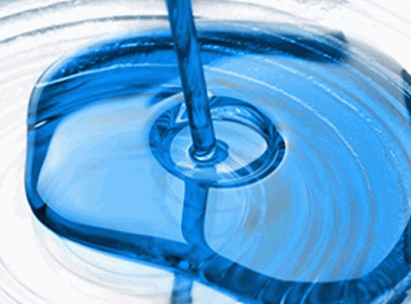
The initial step in applying epoxy flooring in bathrooms is to thoroughly mix the epoxy resin and hardener to activate the curing process, ensuring a strong and resilient final coating.
This process is crucial for achieving a seamless finish that will withstand constant moisture exposure in bathrooms. The resin and hardener should be combined in the correct ratio, typically specified by the manufacturer, to guarantee an optimal chemical reactions. Once mixed, the epoxy should be stirred gently but thoroughly to prevent air bubbles. Proper mixing ensures that the resin cures evenly, creating a hard surface that is resistant to stains and scratches. Attention to detail during this step paves the way for a durable and long-lasting epoxy flooring solution.
Apply The First Coat
After mixing, the first coat of epoxy is applied to the prepared bathroom floor, ensuring even coverage and adhesion to provide a solid foundation for subsequent layers.
Proper coverage is crucial during this stage as it helps create a uniform surface, preventing any inconsistencies that could compromise the overall finish.
The adhesion of the epoxy to the floor is essential for long-term durability, making sure the coating stays firmly in place without any peeling or bubbling.
Adequate surface preparation before applying the epoxy coat is also key, as it helps to remove any contaminants or imperfections that could hinder the adhesion of the coating, resulting in a smoother and more resilient final result.
Add Decorative Elements (Optional)
For a personalized touch, decorative elements such as colors, patterns, and designs can be incorporated into the epoxy flooring in bathrooms, enhancing the aesthetic appeal of the space.
These decorative elements offer a versatile way to create a unique and visually appealing bathroom floor. By adding decorative flakes to the epoxy mixture, a range of colors and designs can be achieved, allowing for a customized look that suits the individual’s style preferences.
From subtle speckles to bold geometric patterns, the options are endless when it comes to enhancing the flooring with decorative elements. Design schemes can be tailored to complement the overall theme of the bathroom, creating a cohesive and inviting atmosphere.
Learn more: How To Lay A 3D Resin Floor
Apply The Second Coat
- The final step involves applying the second coat of epoxy to the bathroom floor, sealing the decorative elements, and ensuring a glossy, non-porous finish that is both durable and aesthetically pleasing.
This additional layer of epoxy not only enhances the visual appeal of the bathroom but also serves a crucial functional purpose. By effectively sealing the decorative elements in the floor, such as metallic flakes or colored chips, the second coat ensures that they are protected from wear and tear, maintaining their vibrant appearance over time.
The glossy finish achieved through this application not only adds a luxurious sheen to the surface but also contributes to the overall durability of the flooring. A non-porous surface is essential for preventing moisture seepage, mold growth, and stains, making it easier to clean and maintain the bathroom floor in the long run.