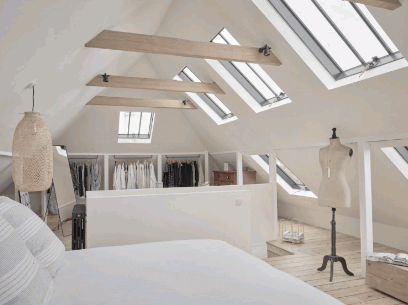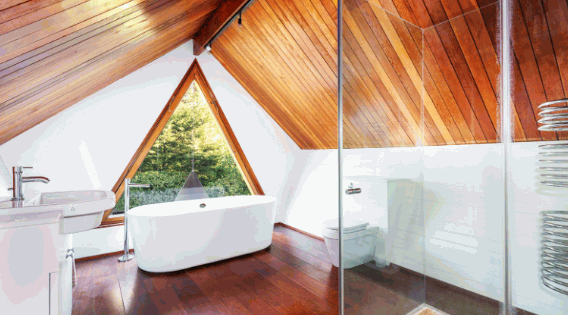
Considering a loft conversion can be an exciting step in maximizing your home’s potential.
This guide covers the essentials of transforming unused attic space into a functional living area.
Explore what a loft conversion entails, how to determine if your home is suitable, the various types of conversions available, and the numerous benefits they offer.
Practical tips on planning and preparing for your project are also included.
Whether you’re looking for extra space or a cost-effective alternative to moving, find out how a loft conversion could elevate your home.
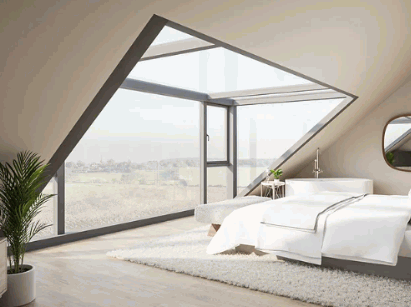
What is a Loft Conversion?
A loft conversion is a popular home improvement project that transforms unused attic space into valuable living space, such as bedrooms, home offices, or recreational areas, providing homeowners with an opportunity to maximize their property’s potential. This conversion allows owners to take advantage of existing structures while adhering to local building regulations and often requires planning permission depending on the property’s type and location.
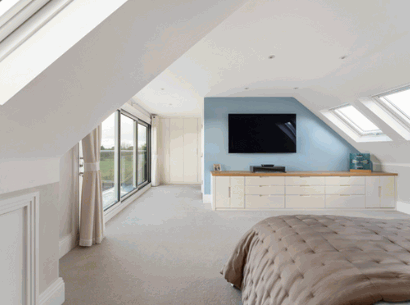
Is My House Suitable for a Loft Conversion?
Determining if your house is suitable for a loft conversion involves evaluating several factors, including the existing roof structure, head height, and the overall dimensions of the loft space, as well as any planning restrictions that may be in place based on your neighborhood or conservation area. Homeowners should also consider their budget, as the cost-effective nature of the project can significantly depend on these aspects.
Find out more: How To Make A Loft Conversion
Roof Structure and Height
The roof structure and height are critical factors that influence the feasibility of a loft conversion, as they determine the available headroom and overall loft dimensions. Homeowners must assess whether their property features a traditional roof or a modern trussed roof, as each type has different implications for conversion possibilities and the necessary structural adjustments.
When considering a loft conversion, the type of roof system can significantly impact not only the design choices available but also the overall cost and complexity involved. For instance, traditional roof structures, which often boast a more generous head height, may require minimal alterations to make them suitable for conversion. In contrast, modern trussed roofs typically have a lower profile and may demand more extensive modifications to achieve sufficient space for a functional loft.
- Traditional Roofs: Often designed with A-frame structures, they provide ample room for loft conversions.
- Trussed Roofs: Usually designed for economical buildings, these roofs may require cutting and raising elements to improve headroom.
Homeowners should also consider local regulations regarding height requirements, as alterations may need compliance with building codes. Thus, assessing the type of roof is not merely an aesthetic choice; it plays a crucial role in realizing the full potential of loft spaces.
Available Space
When considering a loft conversion, evaluating the available space within the loft is essential, particularly focusing on the dimensions and layout to ensure adequate headroom and functionality. It is crucial to identify any obstructions, such as chimneys or water tanks, that may limit the usable area and affect the overall design of the new living space.
To begin, measuring loft space accurately involves checking not only the floor area but also the height at various points. This can be done with a tape measure, ensuring that you are aware of any sloping ceilings that could restrict movement.
- Determine the lowest point that meets local building code specifications for habitable rooms.
- Consider how furniture placement might be affected by these measurements.
Planning the layout to create a functional design that makes the best use of available space is vital. For instance, incorporating built-in storage solutions can help minimize clutter and increase utility.
Think about natural light sources and how they can enhance the overall ambiance of the loft, making it not only practical but also an inviting environment.
Planning Restrictions
Planning restrictions are a crucial consideration when undertaking a loft conversion, as they dictate the extent of alterations permissible on your property.
Understanding these restrictions involves a comprehensive review of local council guidelines and the specific regulations governing various property types, which can significantly impact the feasibility of your project. Engaging with professionals, such as architects or planning consultants, can provide valuable insights into what is achievable within the framework of existing laws.
Homeowners must navigate local regulations and may need to secure planning permission, especially if the property is located in a conservation area or has specific building regulations that apply to its type. This includes ensuring compliance with safety standards, energy efficiency criteria, and spatial regulations.
- Check local laws
- Engage professionals for guidance
- Consider conservation area restrictions
Each property type, whether a period home, a modern build, or a flat, comes with its own set of constraints and opportunities that require careful evaluation.
Budget
Establishing a realistic budget is vital for the success of a loft conversion project, as costs can vary significantly depending on design choices, construction materials, and the complexity of the work involved. Homeowners should consider both the initial outlay and the long-term profitability of the conversion, making strategic decisions to ensure a cost-effective approach to property refurbishment.
When embarking on this type of renovation, it’s essential for individuals to break down their potential expenses into manageable components. Some key financial considerations include:
- Planning permission and legal fees: Depending on the region, acquiring the necessary approvals can add to the total cost.
- Construction materials: Selecting high-quality and durable materials might increase initial costs but can result in lower maintenance expenses over time.
- Labor costs: These can fluctuate based on the project’s scale and the expertise of the tradespeople involved.
Employing a construction manager can be instrumental in ensuring that the entire venture adheres to the predetermined budget. A knowledgeable manager not only coordinates the various aspects of the project but also provides valuable insights to keep expenses under control and aligns the work with the homeowner’s vision, facilitating a smoother transformation while respecting financial limits.
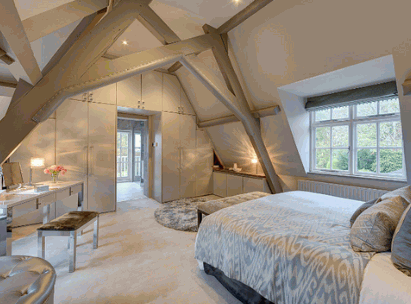
What are the Different Types of Loft Conversions?
Understanding the different types of loft conversions is essential for homeowners looking to enhance their living space, as each type offers unique benefits and design options tailored to various property styles and needs. The main types of loft conversions include dormer conversions, mansard conversions, hip-to-gable conversions, and Velux conversions, each varying in complexity and cost-effectiveness.
Dormer Conversion
A dormer conversion is a popular choice for homeowners seeking to maximize headroom and natural light in their loft space, featuring an extension that protrudes vertically from the roof. This design not only enhances the available living area but also adds aesthetic value to the property, making it an appealing option for residential projects.
One of the primary characteristics of a dormer conversion is its ability to create a well-defined, usable space that can be transformed into anything from a cozy bedroom to a stylish office. Unlike other types of conversions, such as hip-to-gable or roof light conversions, a dormer allows for increased vertical space. This means that homeowners can enjoy the freedom of standing comfortably without the constraints often faced in traditional attic areas.
- Space Efficiency: Dormer conversions optimize the structure, utilizing previously unused areas of the home.
- Enhanced Lighting: They are designed to maximize the influx of natural light, improving the overall ambiance.
- Aesthetic Appeal: The distinct vertical extension can enhance the home’s exterior curb appeal significantly.
In comparison to other conversion options, dormers typically require fewer structural modifications while delivering both functional and visual benefits, making them a smart investment for many property owners.
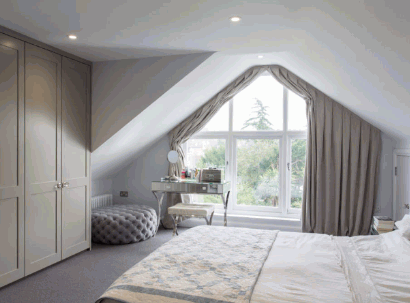
Mansard Conversion
A mansard conversion features a unique design that involves altering the existing roof structure to create additional living space, characterized by a flat roof and steep sides, optimizing the roof pitch for maximum height and area. This type of loft conversion is particularly effective in urban environments where building regulations may encourage innovative designs to enhance property space.
The distinctive architecture of a mansard conversion not only allows for the development of substantial living areas but also ensures compliance with local building regulations, making it an attractive option for homeowners looking to expand their properties. By replacing the traditional sloped roof with a flat one, this conversion elevates ceiling heights and creates a sense of openness that is often missing in other conversion types, such as gable or hip-to-gable conversions.
- Increased usable space: The structural design maximizes the available area, ideal for adding an extra bedroom or home office.
- Natural light: Large dormer windows enhance illumination, making the newly created spaces bright and inviting.
- Value addition: Properties with mansard conversions tend to attract higher resale prices due to the coveted extra living space.
Compared to other loft conversion methods, the mansard style stands out for its aesthetic appeal and versatility, which can significantly contribute to enhancing property values while adhering to strict local building guidelines.
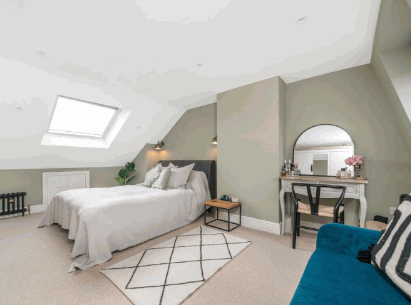
Hip-to-Gable Conversion
A hip-to-gable conversion involves transforming a sloped roof into a vertical gable wall, effectively increasing headroom and available space within the loft, making it an ideal choice for detached or semi-detached properties. This design enhances the overall appearance of the home while significantly expanding the usable loft space.
By shifting the angle of the roof, homeowners can maximize their living area and create more functional rooms that serve various purposes, whether it’s an extra bedroom, a home office, or a playroom for children. This transformation is particularly beneficial for properties with limited horizontal space, as it allows for vertical expansion without the need for a full extension.
- Plus increasing useful space, this conversion also opens up opportunities for improved natural light through strategically placed windows.
- It can significantly enhance property values, making it a sound investment for homeowners.
- Such a renovation often complies with permitted development rights, simplifying the planning process.
Ultimately, for those looking to optimize their loft area and enhance property aesthetics, a hip-to-gable conversion represents a smart and practical solution.
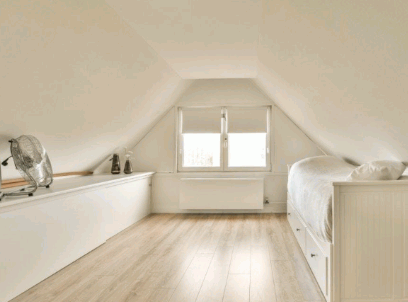
Velux Conversion
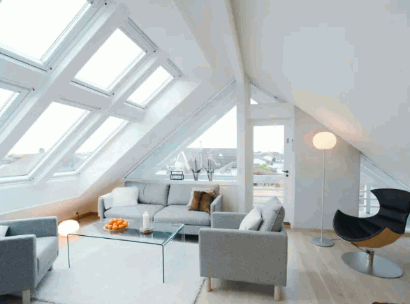
A Velux conversion is a cost-effective option that utilizes roof windows to transform loft space into a bright and airy living area without major structural changes, making it a popular choice for homeowners seeking minimal disruption during their renovation. This type of conversion enhances natural lighting and ventilation while maintaining the existing roof’s profile.
One of the most significant advantages of a Velux conversion is its ability to maximize space without the need for extensive construction. Homeowners can enjoy an additional room, perfect for a home office, playroom, or guest bedroom, all while adding value to their property. The strategic placement of roof windows allows for:
- Increased natural light: Brightening up dim areas and enhancing the aesthetic appeal.
- Improved air circulation: Allowing fresh air to flow in, creating a comfortable indoor environment.
- Energy efficiency: Roof windows can also be fitted with energy-efficient glazing to help regulate temperature.
This option stands out as a straightforward solution for those wanting to create a more functional and enjoyable living space, proving that beautiful interiors can surface from even the most overlooked corners of the home.
What are the Benefits of a Loft Conversion?
Loft conversions provide numerous benefits for homeowners, including the creation of extra living space without the need for a home extension, resulting in a more functional and spacious environment for families. Additionally, they often lead to increased property value, making the investment worthwhile for homeowners looking to enhance their homes while avoiding the costs associated with moving.
Extra Living Space
One of the primary advantages of a loft conversion is the ability to create extra living space within a home, allowing homeowners to enhance functionality without the need for expensive home extensions. Whether it’s transforming the loft into a bedroom, office, or play area, this added space can significantly improve the overall living experience.
Utilizing loft space can also promote better organization and reduce clutter in the main living areas, making the home feel more spacious and inviting.
For families, converting a loft into a versatile playroom can serve as an ideal location for children to explore creativity without disrupting family routines. Alternatively, creating a dedicated workspace can offer an oasis of productivity, especially valuable in today’s remote work culture.
Here are some popular ideas for loft conversions:
- Guest Bedroom
- Home Office
- Hobby or Craft Room
- Media Room
- Storage Area
These options not only optimize the available square footage but also increase property value, making loft conversions an attractive investment for homeowners looking to enhance their living spaces.
Increased Property Value
Investing in a loft conversion can lead to increased property value, often yielding a higher return on investment compared to other renovations. Homeowners can expect their property to elevate in market value, particularly in sought-after residential areas, making this conversion a financially savvy choice.
By adding functionality and aesthetic appeal to a home, a loft conversion not only enhances livability but also attracts potential buyers who are interested in maximizing space. In a competitive real estate market, where buyers often seek unique features, a well-designed loft can provide a considerable edge. Research indicates that homeowners might observe an increase of up to 20% in property value after completing this type of renovation.
- The marketability boosts as buyers favor homes with expanded living areas.
- In urban settings, where space is at a premium, loft conversions become particularly desirable.
Ultimately, owners should consider local market trends and the overall demand for housing, as these factors greatly influence the profitability of such an endeavor.
Cost-effective Alternative to Moving
A loft conversion is often a cost-effective alternative to moving, allowing homeowners to expand their living space without the substantial expenses associated with buying a new property. This renovation enables families to stay in their desired neighborhood while enhancing their home’s functionality and value.
By choosing a loft conversion, individuals can capitalize on their existing property’s potential rather than facing the daunting costs of additional transaction fees, stamp duty, and relocation expenses. Essentially, this approach transforms unused attic space into practical areas, such as a bedroom, office, or playroom, making the home significantly more valuable without the stress of moving.
In fact, depending on the neighborhood, a well-designed loft conversion can increase the property’s value significantly, often exceeding the initial investment.
- Cost of moving: $13,000 – $26,000
- Typical loft conversion cost: $39,000 – $65,000
These figures reflect the financial advantages, illustrating that staying put can be more advantageous in the long run.
How to Plan and Prepare for a Loft Conversion?
Effective planning and preparation are crucial for a successful loft conversion, starting with hiring a professional architect who can guide homeowners through the design process and ensure compliance with local building regulations. Obtaining necessary permissions and approvals prior to construction is also vital, as it sets the foundation for a seamless renovation experience.
Hire a Professional Architect
Hiring a professional architect is one of the essential first steps in planning a loft conversion, as they bring expertise in design and compliance with planning regulations. An architect can help homeowners visualize their ideas and ensure that the project aligns with local building codes and guidelines.
In the intricate process of transforming a loft space, their guidance is invaluable. From the initial concept to the final execution, an architect’s role encompasses a variety of critical elements, including:
- Creating detailed design plans that reflect the homeowner’s vision,
- Incorporating innovative solutions to maximize space and light,
- Coordinating with other professionals like structural engineers and contractors,
- Navigating the complexities of planning permissions and statutory regulations.
Without this expertise, homeowners may face delays, increased costs, or even project rejection. Thus, investing in a professional architect not only streamlines the process but also enhances the overall outcome, making the dream of a loft conversion a feasible reality.
Get Necessary Permissions and Approvals
Securing the necessary permissions and approvals is a critical step in the loft conversion process, involving applications for planning permission and adherence to building regulations, ensuring that the project meets local requirements. Homeowners must be proactive in this stage to avoid potential delays or issues during construction.
In fact, understanding the intricacies of local regulations can significantly influence the success of a project.
- Initially, it’s essential to research zoning laws specific to your area, as these dictate what modifications can be made.
- Engaging with your local planning authority early in the process also helps clarify required documents and timeframes.
- Consulting with professionals, such as architects or surveyors, can facilitate compliance with building codes, ensuring safety and structural integrity.
By prioritizing these actions, homeowners set a solid foundation for their loft conversion, minimizing unexpected hurdles later on.
Create a Detailed Budget and Timeline
Creating a detailed budget and timeline is vital for any successful loft conversion, as it helps homeowners allocate resources efficiently and sets realistic expectations for project completion. Understanding the potential costs involved can aid in making informed decisions throughout the planning and construction phases.
When embarking on such a transformative project, ensuring clarity in your loft conversion budget and timeline can make all the difference.
A well-structured budget not only provides a roadmap for expenses but also safeguards against unexpected financial strain.
Similarly, an organized timeline outlines critical milestones and deadlines, fostering effective communication among contractors, suppliers, and homeowners.
By carefully planning each phase of the project, individuals can prioritize essential tasks, monitor progress, and adjust strategies as needed.
In the long run, these meticulous preparations give the power to homeowners to achieve their vision efficiently while minimizing stress during the conversion journey.
Prepare for the Construction Process
Preparing for the construction process of a loft conversion involves choosing the right contractor and establishing effective project management practices to ensure a smooth execution of the renovation. Homeowners should be ready to handle any challenges that may arise during construction while keeping communication lines open with their contractors.
To begin with, it is essential to compile a list of potential contractors, thoroughly vetting each one based on their experience, references, and previous work. Discussions should include not only project timelines but also cost estimates and payment schedules. By prioritizing transparency and laying down clear expectations from the outset, homeowners can mitigate misunderstandings.
- Securing multiple quotes can provide valuable insights into market rates.
- Establishing a communication protocol can help track progress and address issues promptly.
- Consistent check-ins during the project can foster a collaborative atmosphere.
Ultimately, diligent preparation and regular dialogue can significantly enhance the likelihood of a successful loft conversion, turning this space into a unique functional area for the home.