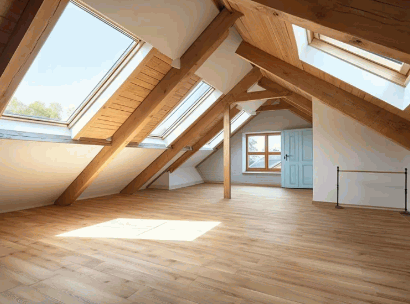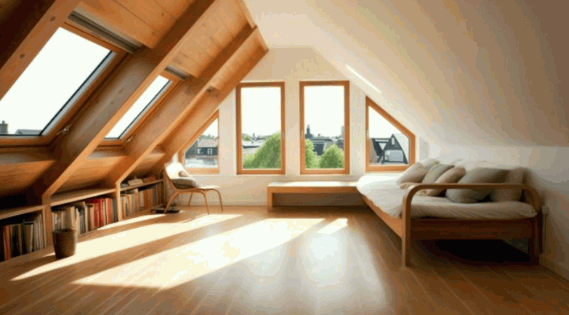
Looking to maximize your home’s potential? A loft conversion might be the perfect solution.
This article explores what a loft conversion entails, highlighting its numerous benefits, including increased living space and added property value.
Essential considerations such as minimum height requirements and the various types of conversions available will also be covered.
Whether you’re contemplating a dormer or a mansard conversion, understanding your loft’s suitability is crucial.
Get ready to transform that unused attic into your dream space!
What is a Loft Conversion?
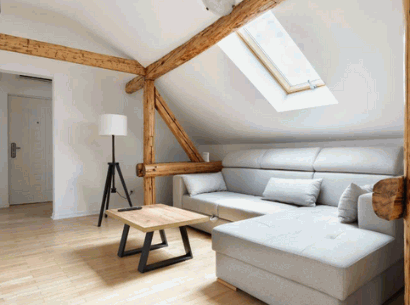
A loft conversion is a transformative home improvement project that involves converting unused attic space into a functional living area, such as an additional bedroom, office, or recreational room, which not only enhances the comfort of your home but also adheres to local building regulations and planning permission requirements. This popular renovation option has gained traction among homeowners in Essex and across the UK, as it provides a cost-effective alternative to moving, allowing families to maximize their existing properties without significant disruption.
Uncover more: Can Any House Have A Loft Conversion
What are the Benefits of a Loft Conversion?
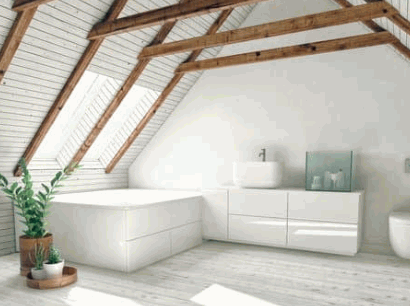
Loft conversions offer numerous benefits that appeal to homeowners looking to enhance their living space and add value to their properties. By converting an unutilized loft area into a beautifully designed room, homeowners can enjoy increased comfort, improved thermal efficiency through better insulation, and a significant boost in property value, making it a wise investment for many residential properties.
Increases Living Space
One of the primary advantages of a loft conversion is the significant increase in living space it provides, which can be essential for growing families or those seeking more room. By creatively utilizing the existing roof structure, homeowners can transform their loft into a multi-purpose area that accommodates various needs, such as additional bedrooms, home offices, or playrooms, thereby enhancing the overall layout and design of their home.
When considering a loft conversion, it’s crucial to evaluate the available ceiling height, as this can greatly influence the design options. For example, a loft with a high ceiling allows for the incorporation of stylish features like skylights, which not only enhance natural light but also contribute to an open, airy feel. Alternatively, if the ceiling is lower, opting for a dormer extension can effectively increase usable space while providing necessary headroom.
- Additional Bedrooms: Creating a cozy bedroom retreat can easily be accomplished with the right layout, accommodating beautiful furniture, and storage solutions.
- Home Office: For remote workers, a dedicated office space ensures productivity without sacrificing home comfort.
- Playroom: A vibrant playroom can be tailored to children’s needs, offering a safe and enjoyable area for creativity.
Ultimately, understanding the structure and measurement of the loft sets the foundation for a functional and aesthetically pleasing conversion, contributing significantly to the value and enjoyment of a home.
Adds Value to Property
A well-executed loft conversion can significantly add value to a property, often providing an excellent return on investment that homeowners cannot afford to overlook. As the demand for spacious living environments continues to rise in the housing market, converting an unused loft into a functional living space can be a smart financial decision that enhances the appeal of a property to potential buyers.
Statistics show that loft conversions can increase property value by as much as 20%, making it a lucrative investment for those seeking to maximize their home’s worth.
In a recent case study, a homeowner in London enhanced their property’s value by £50,000 following a conversion, illustrating how thoughtful renovations meet buyers’ desires for more usable space.
Today’s market trends reflect a growing preference for versatile spaces, aligning perfectly with the features that loft conversions offer.
- Increased living area
- Potential for rental income
- Attractive to families and young professionals
Therefore, homeowners who tap into this opportunity not only enhance their living experience but also position their property favorably in a competitive real estate market.
Cost-effective Alternative to Moving
Choosing to convert a loft can be a cost-effective alternative to moving, allowing homeowners to expand their living space without the significant financial burden associated with purchasing a new property.
By opting for a loft conversion, homeowners can avoid the stress and disruption that often accompany relocation, while still achieving their desired living arrangements within their existing home.
- In the short term, a loft conversion requires a smaller investment compared to the costs of buying a larger house, which often includes hefty fees such as stamp duty and legal expenses.
- The long-term benefits of increasing property value through a quality renovation project are substantial, providing owners with a profitable return should they decide to sell in the future.
By staying put and enhancing their current dwelling, homeowners can maintain their community ties and avoid the upheaval of moving, making this option both cost-effective and strategically sound for those seeking new space without the traditional hassles of a property exchange.
Customizable Design Options
Loft conversions offer an exceptional opportunity for customizable design options, allowing homeowners to create spaces that reflect their unique tastes and lifestyle needs. From choosing the layout and finishes to optimizing natural light with strategically placed roof lights, the design possibilities are virtually endless, enabling homeowners to transform their loft into a stylish and functional area that enhances the overall aesthetic of their home.
In exploring various design possibilities, homeowners can consider popular styles such as dormer and mansard, each providing distinct advantages.
- Dormer conversions add vertical space and light, making them a preferred choice for many.
- Mansard designs maximize roof space with a more extensive layout, offering expansive room potential.
These styles can be customized further by incorporating unique elements like skylights, bespoke storage solutions, or even green features that promote sustainability. Such creative solutions not only enhance functionality but also ensure the new space harmonizes beautifully with the existing architecture, reflecting personal style while maximizing space usage effectively.
What is the Minimum Height Requirement for a Loft Conversion?
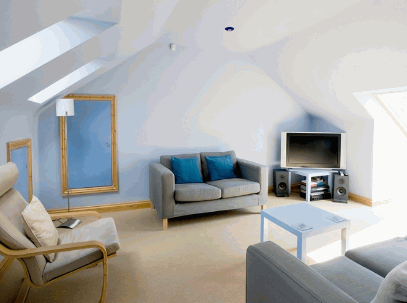
Understanding the minimum height requirement for a loft conversion is crucial for ensuring that the project complies with building regulations and provides adequate clear headroom for comfortable living. Typically, the minimum height needed is around 2.2 meters, allowing for a usable ceiling height that accommodates various design options and ensures that the newly converted space is both functional and inviting.
What is the Standard Height for a Loft Conversion?
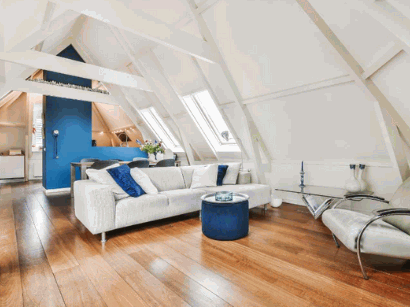
The standard height for a loft conversion typically aligns with building regulations, which dictate that the space must have sufficient clear headroom to be deemed usable and comfortable. Generally, a height of at least 2.4 meters is recommended to satisfy building inspectors and ensure that the newly created room feels spacious and functional.
Creating a loft space that meets these height specifications not only adheres to necessary regulations but also significantly impacts the overall design and usability of the area. A well-planned loft conversion maximizes both comfort and aesthetic appeal, allowing for various functionalities such as bedrooms, home offices, or even playrooms.
Here are a few aspects to consider regarding height:
- Design Layout: Adequate headroom influences furniture placement and room flow.
- Natural Light: Higher ceilings can accommodate larger windows, enhancing brightness.
- Insulation Requirements: Proper height can affect temperature regulation, impacting energy efficiency.
When planning a loft conversion, consulting with professionals who understand the nuances of these standards is essential to ensure compliance and optimize the new space.
What are the Factors that Affect Minimum Height for a Loft Conversion?
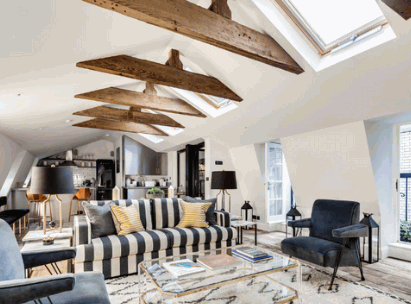
Several factors can affect the minimum height required for a loft conversion, including the roof pitch, the existing structure of the house, and any applicable planning permission requirements.
Along with these considerations, the angle of the roof pitch plays a significant role in determining usable vertical space, with steeper angles often providing more headroom. Homeowners should also evaluate the existing structure for its structural integrity, as older houses may require reinforcement to support additional weight.
- Roof design: A gable roof may allow for a more spacious loft while a flat roof can limit head height.
- Building regulations: Adhering to regulations ensures safety and compliance.
- Local area policies: Some regions have specific zoning laws affecting heights.
Ultimately, careful consideration of these factors can make the difference between a successful renovation and a disappointing project.
What are the Different Types of Loft Conversions?
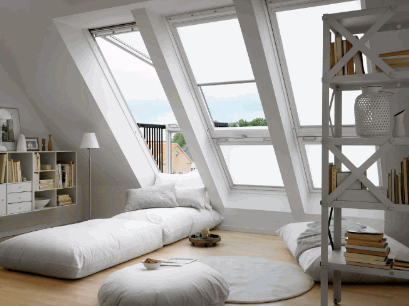
There are several different types of loft conversions available to homeowners, each offering unique advantages and design opportunities to enhance a property’s appeal and functionality. Among the most popular options are dormer conversions, which create additional vertical space; mansard conversions, known for their distinctive sloped roofs; hip-to-gable conversions, ideal for semi-detached homes; and Velux conversions, which utilize roof windows to add natural light without altering the roof structure significantly.
Dormer Conversion
A dormer conversion is a popular type of loft conversion that extends outwards from the existing roof structure, creating additional space and increasing the overall headroom in the loft area. This style is highly versatile, allowing for the installation of windows that enhance natural light and views, making it an attractive option for homeowners seeking to maximize their living space while complying with planning permission regulations.
These conversions not only elevate the aesthetic appeal of a property but also significantly increase its value, making them a wise investment.
Homeowners can choose from various styles, including flat-roof, gable-fronted, and shed dormers, which permit customized solutions that align with individual needs and architectural designs.
- Space Optimization: Dormers create usable floor space without sacrificing headroom, offering an ideal solution for additional bedrooms, offices, or recreational areas.
- Natural Light: By integrating multiple windows, the enhancements ensure that the new area feels open and inviting.
- Planning Permission: Generally, many dormer conversions can be completed under permitted development, streamlining the process for homeowners.
Ultimately, investing in a dormer conversion can transform underutilized loft areas into functional, beautiful spaces for modern living.
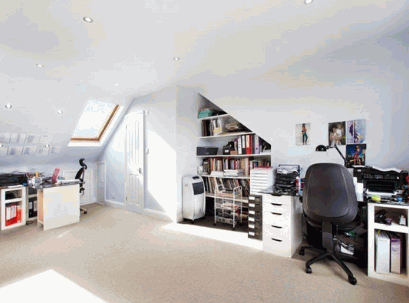
Mansard Conversion
Mansard conversions are characterized by their unique design, featuring a flat roof and steeply sloping sides, which maximize headroom and create a spacious living area within the loft. This type of conversion not only adheres to building regulations but also adds significant aesthetic value to the property, making it an appealing choice for homeowners looking to enhance both functionality and style.
With their innovative structure, these conversions effectively utilize the available space, transforming underused attic areas into vibrant living quarters. Homeowners often appreciate the versatility that comes with such projects, as they can tailor the interior layout to suit personal preferences, whether it be for an additional bedroom, a home office, or a playroom for children. The roof pitch can be adjusted to blend seamlessly with the existing architecture, ensuring harmony with the overall appearance of the house.
- The potential increase in property value is another significant benefit, as a well-executed mansard conversion can lead to a considerable uplift in market appeal.
- Compliance with local building regulations ensures that the project adheres to safety standards and contributes positively to neighborhood aesthetics.
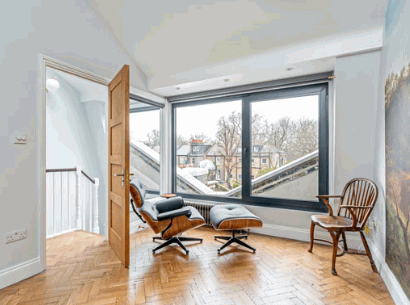
Hip-to-Gable Conversion
Hip-to-gable conversions are an innovative solution for homeowners with hipped roofs, transforming the sloping side into a vertical wall to create additional living space within the loft. This type of conversion significantly increases headroom and enhances the overall functionality of the property, making it a valuable investment for those looking to boost property value without the need for extensive renovations.
These conversions not only maximize the utility of an often underused area but also allow for a seamless integration into existing structures, thereby simplifying the planning process.
Here are a few key benefits:
- Additional Living Space: The transformation offers homeowners the chance to create extra bedrooms, a home office, or a playroom.
- Enhanced Property Value: An increase in usable square footage translates into higher market value, appealing to future buyers.
- Efficient Loft Conversion: Utilizing vertical wall space makes the area more functional for a variety of uses.
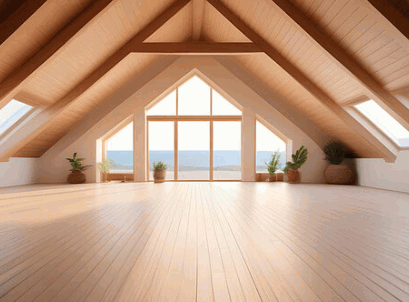
Velux Conversion
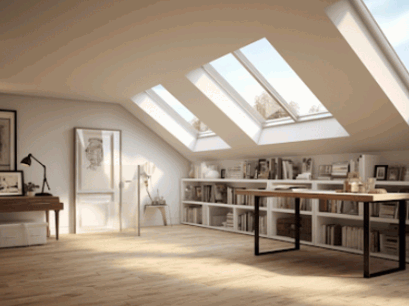
A Velux conversion primarily focuses on utilizing roof lights to bring natural light into the existing loft space without altering the roof structure significantly.
This innovative approach not only simplifies the transformation of loft areas but also significantly enhances the overall ambiance of the home. By installing strategically placed roof lights, homeowners can maximize sunlight exposure throughout the day, creating a warm and inviting atmosphere.
Because a Velux conversion is generally less complex, it often avoids the lengthy and sometimes stressful process of obtaining planning permission. This convenience makes it an attractive choice for those looking to add functional space and light without major renovations.
- Enhancements: Natural light reduces the need for artificial lighting and can lead to energy savings.
- Flexibility: The conversion allows for various uses, such as a home office or playroom.
- Value Addition: Such conversions can increase property value due to added space and aesthetic improvements.
How to Determine if Your Loft is Suitable for a Conversion?
Determining whether your loft is suitable for conversion involves evaluating several critical factors that influence the feasibility of the project. From measuring the height and pitch of your roof to assessing the structural integrity of the existing space, homeowners must take a methodical approach to ensure that their loft can accommodate a stylish and functional living area, often best achieved by consulting a professional builder.
Measure the Height of Your Loft
The first step in determining if your loft is suitable for conversion is to accurately measure the height of the loft space, as achieving adequate clear headroom is essential for comfort and design flexibility. Homeowners should measure from the top of the joists to the lowest part of the roof to ascertain if their loft meets the minimum height requirement necessary for a successful conversion.
Properly executing this measurement involves using a level to ensure an accurate height reading, and taking care to measure in several locations within the loft space, particularly in areas where the roof slopes.
- Generally, a minimum of 2.4 meters (approximately 7 feet 10 inches) of ceiling height is recommended for conversion.
- This allows an inhabitant not only to stand comfortably but also offers the freedom to design an inviting and practical living area.
Meeting these criteria not only ensures compliance with building regulations but also enhances the overall functionality of the space.
If the height falls short, homeowners may explore options such as lowering the ceiling of the floor below or altering the roof structure to create higher clearance.
Ultimately, understanding the importance of loft height will significantly influence the feasibility and design choices of the intended loft conversion.
Check the Pitch of Your Roof
Checking the pitch of your roof is another critical factor in assessing the suitability of your loft for conversion, as it directly influences the available space and design options. A steeper pitch typically allows for better headroom and more functional use of the loft area, while a lower pitch may limit design possibilities and compliance with building regulations.
Understanding the angle of your roof is essential, as it can significantly affect not just the space but also the type of loft conversion you may consider.
For instance, an ideal roof pitch is often between 30 and 50 degrees, which maximizes usable space and enhances natural light penetration.
Certain factors must be taken into account when creating design options; the layout, window placements, and insulation materials all depend on the pitch measurements. Failing to comply with local building regulations can lead to complications, including required alterations or denial of your conversion application.
Therefore, consulting with professionals to evaluate the pitch could ensure a successful and stylish transformation of your loft.
Assess the Structural Integrity of Your Loft
Assessing the structural integrity of your loft is crucial to ensure that it can support the additional weight and usage associated with a conversion project.
When embarking on a loft conversion, it’s vital to consider the existing structure of your home and how it will accommodate the modifications.
A thorough inspection can reveal potential issues that may compromise safety or stability. For instance, look for signs such as cracks in the walls, sagging beams, or persistent dampness that could indicate underlying problems.
Engaging a qualified professional for a comprehensive assessment is often the best route, as they can provide insights into any necessary reinforcements or adjustments needed before construction begins.
This proactive step not only safeguards the home’s integrity but also ensures that the loft conversion meets building regulations and achieves desirable aesthetics.
Ultimately, prioritizing structural integrity can prevent future headaches and financial burdens.
Consult with a Professional Builder
Consulting with a professional builder is a vital step in determining the suitability of your loft for conversion, as their expert advice can help identify potential challenges and opportunities that may arise during the renovation process. Engaging a professional not only ensures compliance with building regulations and planning department requirements but also brings a wealth of experience that can guide homeowners through the complexities of the project.
The importance of seeking professional guidance during the loft conversion cannot be overstated.
- Builders are adept at navigating the intricacies of local regulations, ensuring that your project adheres to all necessary codes.
- They can provide a detailed assessment of your attic’s structural integrity and design feasibility, which is essential for a successful conversion.
- Consulting with a builder allows homeowners to explore various design options, integrating their vision with practical solutions.
By involving a qualified expert from the onset, individuals can avoid costly mistakes and create a space that not only meets legal requirements but also enhances their living area, fostering value and comfort in their home.