
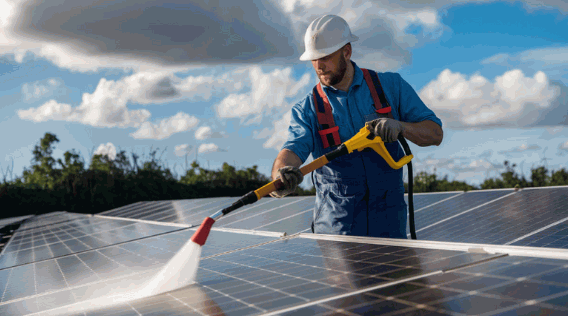
Keeping solar panels clean is essential for maintaining their efficiency and prolonging their lifespan through frequent cleaning and monitoring.
Dust, dirt, and debris can accumulate over time, significantly impacting energy production and solar efficiency.
Regular cleaning is vital, and it should be done frequently using the best cleaning methods available to ensure optimal performance.
Common mistakes to avoid and signs that your panels may need a wash will also be discussed alongside effective maintenance tips.
Discover the benefits of pristine solar panels, as well as eco-friendly practices, to ensure you get the most from your investment in solar energy.
Learn about: Can Solar Panels Work On Cloudy Days

Why Is It Important to Clean Solar Panels?
Cleaning solar panels is crucial for maintaining their efficiency and maximizing your investment in solar energy systems, particularly through the use of professional services. Dirt buildup can significantly reduce the performance of photovoltaic cells, leading to lower energy savings and increased maintenance costs. Regular cleaning not only ensures the optimal performance of your solar technology but also extends the lifespan of your solar system, thereby providing significant long-term benefits to both your finances and the environment through sustainable practices. Furthermore, adopting professional services or automated systems for cleaning can enhance safety while ensuring adherence to the best practices in maintenance.

How Often Should Solar Panels Be Cleaned?
The cleaning frequency of solar panels is essential to maintain optimal energy efficiency and performance, generally recommended every 6 to 12 months, depending on factors like dirt buildup, environmental conditions such as rainfall, and the need for regular maintenance.
Several elements, such as local weather conditions and dirt buildup, play a crucial role in determining how often these systems need attention. For instance, locations with heavy dirt accumulation from construction or agriculture may require more frequent interventions, whereas areas with regular rainfall can benefit from the natural rinsing effect of rainwater.
- Local Weather Conditions: High winds or storms can leave branches and debris that reduce the panels’ efficiency and require immediate cleaning action.
- Type of Solar Panels: Different models of solar panels might have varying susceptibility to dirt or dust, making it essential to tailor cleaning methods accordingly.
- Surrounding Environment: Factors such as nearby traffic or an industrial setting can increase the need for regular maintenance and cleaning frequency.
By taking these aspects into account, one can formulate a practical schedule for cleaning intervals and monitoring technology, ensuring that the solar setup remains at peak performance and extends its lifespan.

What Are the Best Ways to Clean Solar Panels?
To ensure the longevity and efficiency of your solar panels, it is vital to utilize the best cleaning methods available, including using a soft brush and biodegradable soap, as well as techniques that avoid harsh chemicals and incorporate eco-friendly cleaning solutions.
Using a Hose and Squeegee
One of the simplest and most effective methods for cleaning solar panels involves using a hose and a squeegee, which removes dirt and debris without causing damage to the solar panels, ensuring safe handling.
To begin this gentle cleaning process, the user should gather the necessary tools and equipment for safe cleaning. Start by using a hose equipped with a spray nozzle to rinse the panel surfaces. This helps dislodge dirt and any stubborn particles without scratching the delicate glass, ensuring the solar panels maintain their efficiency. It’s advisable to approach the cleaning on a cooler day or in the morning to ensure effective cleaning methods and avoid the panels heating up, which makes the cleaning solution evaporate too quickly.
- Step 1: Rinse the panels with water, ensuring that debris is loosened.
- Step 2: Use a soft-bristled brush to gently scrub if needed, avoiding harsh or abrasive materials.
- Step 3: After rinsing, employ a squeegee for streak-free results—start at the top and pull downwards to effectively remove water, maximizing energy production.
By adhering to these steps, one can ensure that their solar panels remain clear and efficient, maximizing sunlight absorption and energy production.

Using a Soft Cloth and Cleaning Solution
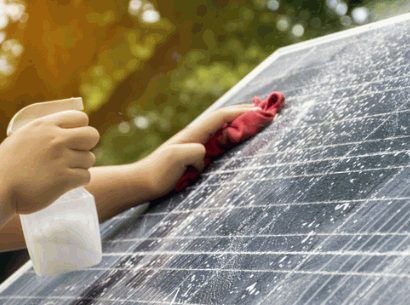
Utilizing a soft cloth along with eco-friendly cleaning solutions, such as biodegradable soap, allows for gentle cleaning that ensures the solar panels remain unharmed while effectively removing dirt and grime.
Maintaining solar panels is not just about ensuring their aesthetic appeal; it is crucial for optimizing their energy efficiency over time and ensuring safety during the cleaning process. When selecting appropriate cleaning solutions, one must consider various eco-friendly products, including professional cleaners, that are safe for both the environment and the panels themselves.
- Look for plant-based cleaners that break down naturally, reducing environmental impact.
- Consider using vinegar or baking soda for natural abrasive solutions; they are effective yet gentle cleaning methods that won’t harm the solar panels.
Correct techniques are equally important; applying these products with a soft cloth or soft sponges in a circular motion will help prevent scratches and streaks.
By employing these gentle cleaning and maintenance best practices, solar panel owners can ensure their systems operate at peak performance without compromising the integrity of the materials.
Using a Pressure Washer
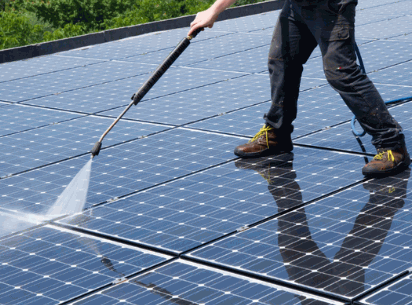
While pressure washers can be effective for some cleaning tasks, using them on solar panels poses risks; high pressure can damage the panels or force water into electrical components, jeopardizing their efficiency.
When considering the optimal settings for a pressure washer, it’s crucial to use low pressure and a wide spray nozzle to reduce potential harm while cleaning efficiently. This approach not only keeps the solar panels safe but also enhances cleaning effectiveness. Cleaning solutions specifically designed for solar technology, including eco-friendly options, can provide better results without the harsh impact of high-pressure methods.
- For delicate surfaces, a fan spray is preferable.
- Using a gentle solution can often yield satisfactory results without needing high pressure.
Alternative cleaning methods, such as using a soft cloth or a squeegee with biodegradable cleaning solutions, minimize risks while ensuring that the efficiency of the panels remains intact. Regular maintenance checks can help identify any potential issues before they escalate, emphasizing the importance of adopting a cautious approach to cleaning solar panels and ensuring roof safety.
What Are the Dos and Don’ts of Cleaning Solar Panels?
In terms of cleaning solar panels, adhering to specific dos and don’ts can significantly affect their longevity and functionality, including avoiding harsh chemicals and following cleaning guidelines that ensure roof safety during maintenance.
Do: Clean in the Morning or Evening
Cleaning solar panels in the morning or evening is recommended as these times provide optimal conditions for effective cleaning and better monitoring of techniques.
By choosing these cooler times of day, one can ensure a more thorough cleaning process, which is essential for maximizing performance. The temperature plays a significant role; high heat can cause water to evaporate quickly, which may lead to streaks or residue being left on the panels. During these periods, sunlight is not at its peak, minimizing the glare that can hinder visibility while cleaning and improving cleaning outcomes.
Regular maintenance is crucial for maximizing efficiency and ensuring safety, so it’s beneficial to establish a routine with scheduled cleaning intervals. Here are some key points to consider:
- Frequency: Cleaning should be performed at least twice a year, or more often in dusty or pollen-heavy areas with frequent cleaning recommended for optimal solar performance.
- Optimal Conditions: Dawn or dusk provides cooler temperatures, which facilitate better cleaning outcomes and enhance the effectiveness of cleaning products.
- Sunlight Factor: Avoiding peak sun hours prevents heat-induced complications and ensures safer cleaning practices.
Do: Use a Non-Abrasive Cleaner
It is essential to use a non-abrasive cleaner when maintaining solar panels as abrasive materials can scratch the surface, reducing efficiency and lifespan.
Choosing the right cleaning products, including eco-friendly options, is crucial for not only preserving the panels’ integrity but also enhancing overall performance and safety. Using eco-friendly options, such as biodegradable soap, offers numerous advantages, including minimizing environmental impact and maintaining a sustainable solar system. These gentle eco-friendly formulas effectively remove dirt and grime without compromising the delicate surface of the solar panels.
- Protection against corrosion
- Extended panel lifespan
- Maximizing energy output
Regular maintenance typically involves gentle washing with eco-friendly cleaning products, ensuring water and cleaner are applied cautiously to avoid damage. By integrating non-abrasive, eco-friendly cleaning products into your maintenance routine, you cultivate a sustainable approach that nurtures both the solar panels and the planet.
Don’t: Use Abrasive Materials
Avoiding abrasive materials during the cleaning process is crucial, as they can cause irreversible damage to the solar panels, leading to decreased performance and increased maintenance costs.
When cleaning solar panels, it’s essential to be aware of the potential hazards associated with using harsh or abrasive materials, which can compromise both efficiency and safety. These substances can scratch the surface, resulting in a loss of efficiency and requiring costly repairs. For instance, common items like steel wool and rough sponges may seem effective but can create micro-scratches that compromise the solar cells. Instead, consider utilizing soft cloths or microfiber towels specifically designed for delicate surfaces and effective cleaning.
- Opt for a gentle soap solution mixed with water, choosing eco-friendly cleaning products whenever possible.
- Use a soft-bristle brush to remove stubborn dirt without damaging the panels.
By employing safer alternatives, such as professional services or automated systems, the longevity and productivity of solar systems can be maintained, ensuring a more efficient energy solution.
Don’t: Use Hot Water
Using hot water to clean solar panels can lead to thermal shock and damage, compromising their structural integrity and efficiency, and should be avoided during cleaning processes.
When the temperature of the water significantly exceeds the surface temperature of the panels, this drastic change can create stress, resulting in cracks or even shattering. Consequently, the longevity and performance of the solar panels may be jeopardized. Using inappropriate cleaning methods not only risks damage but can also incur unnecessary repair costs. Instead, maintaining optimal efficiency requires a gentle approach.
- Utilize mild, lukewarm water for cleaning.
- Employ soft brushes or cloths to prevent scratching.
- Schedule regular maintenance during cooler times of the day.
Following these best practices will help ensure that the panels operate at peak performance without the hazards associated with hot water cleaning.

What Are the Common Mistakes When Cleaning Solar Panels?
Understanding common mistakes in cleaning solar panels can prevent costly errors; these include using harsh chemicals, applying high pressure, and neglecting to rinse thoroughly after cleaning.
Using Harsh Chemicals
One of the most critical mistakes is using harsh chemicals for cleaning, which can corrode the solar panels and affect their performance and lifespan, leading to significant financial losses and a decrease in energy efficiency over time.
Many homeowners unknowingly reach for common household products that contain harmful ingredients. For instance, bleach and ammonia-based cleaners are often found in cleaning cabinets and can create toxic reactions when combined, posing risks not only to the solar panels but also to the environment.
- Some common products to avoid include:
- Glass cleaners with ammonia.
- Bathroom cleaners that contain acid.
- General-purpose cleaners with strong fragrances.
Instead, consider safer alternatives such as vinegar or biodegradable soap mixed with water to maintain cleanliness without hazardous side effects. By making these simple switches, individuals can protect their solar investments and contribute to a healthier ecosystem.
Using High Pressure
Applying high pressure during cleaning can damage the solar panels and should be avoided at all costs; instead, opt for gentle cleaning methods to maintain their integrity.
The use of high-pressure cleaning, undeniably popular for its ability to remove dirt and grime swiftly, poses significant risks to fragile surfaces such as solar panels. The intense force can lead to cracks and structural damage, compromising not only efficiency but also the longevity of the panels. Operators may unknowingly cause harm to surrounding fixtures and the environment.
To ensure a thorough clean without the hazards associated with high pressure, it’s wise to adopt alternative methods:
- Utilize soft-bristle brushes for scrubbing.
- Employ mild soapy water solutions to loosen dirt.
- Consider low-pressure rinsing techniques to wash away residues.
By prioritizing safer cleaning approaches, individuals not only protect their investments but also enhance the overall performance of their solar systems.
Not Rinsing Thoroughly
Failing to rinse thoroughly after cleaning can leave residues that may attract more dirt, negating the effects of the cleaning process and requiring more frequent maintenance.
When these residues build up on solar panels, they can obstruct sunlight absorption, ultimately diminishing the system’s overall performance. Regular cleaning is crucial, but the process doesn’t stop at just washing; ensuring a thorough rinse is vital. As these panels rely on maximum exposure to sunlight for efficiency, even minor residues can lead to significant losses.
- To maintain optimal functionality, it’s essential to clean panels at least twice a year.
- In areas with high pollution or dust, consider increasing the cleaning frequency.
- Professional maintenance can ensure proper techniques are used to avoid residue buildup.
Ultimately, the efficiency of a solar energy system greatly depends on both the cleaning and rinsing methods employed.

How Can You Tell If Your Solar Panels Need Cleaning?
Determining when your solar panels need cleaning can be assessed through visible dirt and debris or a decrease in energy production, both of which indicate a decline in solar efficiency.
Visible Dirt and Debris
Visible dirt and debris on solar panels are clear indicators that maintenance is necessary to ensure optimal performance and efficiency.
To effectively identify such contaminants, one should regularly perform visual inspections. Look for layers of dust, bird droppings, or fallen leaves, as these can accumulate over time and obstruct sunlight absorption.
The presence of these impurities is not just an aesthetic concern but has a significant impact on energy production. For instance, even a thin layer of grime can reduce the panel’s efficiency by up to 25%. Maintain awareness of surrounding trees and buildings, as they can contribute to shading and debris accumulation. Implementing a routine cleaning schedule can help mitigate these issues.
- Regular Inspection: Check for visible dirt and debris monthly.
- Impact on Energy Production: Accumulation can lead to significant efficiency losses.
- Surroundings: Be mindful of obstructions that may cause build-up.
By prioritizing maintenance, one can ensure that solar panels continue to operate at peak capacity, leading to better energy yields and more cost-effective solar investment.
Decreased Energy Production
If you notice decreased energy production from your solar panels, it may signal that they require cleaning to restore their efficiency.
Maintaining the cleanliness of solar panels is crucial for optimal performance, as any build-up of dirt or debris can significantly hinder their ability to convert sunlight into energy.
When the monitoring technology is leveraged, it becomes easier to pinpoint performance drops, allowing for timely interventions. Regular assessments can lead to improved solar efficiency, ensuring that the system operates at peak capacity.
By adopting a proactive maintenance routine, users can identify issues early on, effectively preventing larger problems down the line. In this way, they can sustain their investment while contributing to a cleaner energy future.
- Utilizing monitoring systems for early detection
- Engaging in regular cleaning schedules
- Enhancing overall solar energy production
This creates a more sustainable environment, reinforcing the importance of maintaining clean solar panels.

What Are the Benefits of Clean Solar Panels?
Maintaining clean solar panels brings numerous benefits, including increased energy efficiency, an extended lifespan for the solar system, and overall enhanced aesthetics, which can improve property value.
Increased Energy Efficiency
One of the most significant advantages of clean solar panels is the increased energy efficiency, allowing homeowners to maximize their investment in solar technology, not only enhancing overall performance but also extending the lifespan of the panels themselves.
When solar panels are kept clean, they can operate at optimum levels, producing up to 20% more energy compared to dirty or neglected surfaces. Regular maintenance, including cleaning and inspections, ensures that debris such as dust, leaves, and bird droppings do not hinder the energy output.
Homeowners might implement a monthly cleaning schedule or hire professional services. For instance, a recent study showed that after a thorough cleaning, one homeowner’s system increased its output from 300 watts to 360 watts daily, demonstrating a remarkable improvement in energy efficiency.
Investing in proper maintenance techniques not only boosts performance but also offers long-term financial benefits by reducing potential repair costs and maximizing energy savings.
Extended Lifespan of Solar Panels
Regular cleaning can significantly contribute to the extended lifespan of solar panels by preventing damage from dirt buildup and environmental exposure.
Research indicates that neglected solar panels can lose up to 20% of their efficiency due to dirt and grime accumulation over time. This is a crucial point that every solar panel owner should consider.
By maintaining a consistent cleaning schedule, the performance of these systems can be optimized, ensuring they function at their best.
- Studies show that panels cleaned every six months perform better than those cleaned annually.
- A clean surface allows more sunlight to reach the photovoltaic cells, directly impacting energy production.
Along with improving efficiency, regular maintenance helps to identify potential issues early, such as cracks or wear in the panel surfaces, which could lead to costly repairs down the line.
By prioritizing cleanliness, solar panel owners not only enhance performance but also extend the longevity of their investment.
Improved Aesthetics
Clean solar panels not only perform better but also enhance the overall aesthetics of your property, potentially increasing its value in the real estate market.
When they gleam under the sun, showcasing a polished appearance, the visual impact is undeniably striking. Homeowners often overlook the vital role that appearance plays in both curb appeal and overall property marketability. Regular maintenance ensures that these panels remain functional and beautiful, reflecting the care and consideration put into the entire property. A well-maintained solar installation can lead to:
- Improved property value—attracting environmentally conscious buyers.
- A modern, attractive look—making a property stand out.
- Assured efficiency—where clean surfaces enhance performance.
Thus, investing in the upkeep of solar panels not only drives energy savings but also contributes visibly to a homeowner’s pride and investment.
