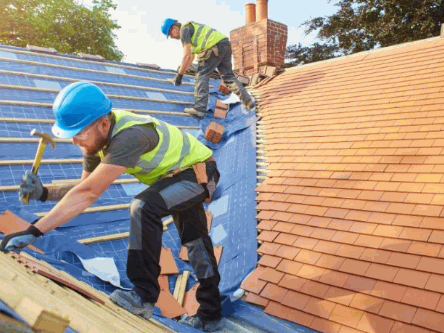
Roof work is essential for maintaining the integrity and safety of homes and buildings. Roof safety should be a primary consideration during any roofing project. Whether it involves repairs, installations, or routine inspections, it is imperative to understand the proper approach to conducting roof work safely. This guide will examine critical safety precautions, including the significance of protective equipment and the correct setup of ladders. Additionally, it will address the various types of roof work and the common risks associated with them. By equipping oneself with this knowledge, individuals can confidently undertake roof tasks while effectively minimizing potential hazards.
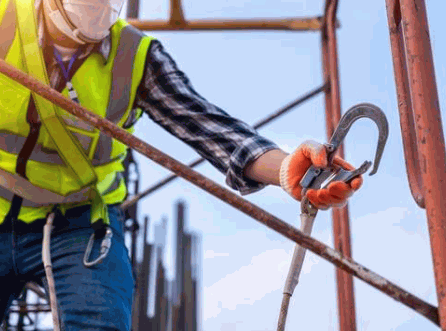
What is a Roof Work?
Roof work encompasses a range of tasks associated with the installation, maintenance, and repair of roofing materials across various types of buildings. This critical work is typically performed by trained professionals, including roofers and contractors, who ensure that roofs are not only safe and functional but also aesthetically appealing. Proper roof work is essential for protecting structures from adverse weather conditions and ensuring the safety of occupants, thereby making it a vital aspect of construction and maintenance practices.
In essence, roof work includes an array of services tailored to both residential and commercial properties. These services comprise:
- Installation: The process of implementing new roofing systems, which may involve a variety of materials such as asphalt shingles, metal panels, or tile.
- Maintenance: Regular inspections and upkeep designed to extend the lifespan of roofs, which includes clearing debris, sealing leaks, and performing timely upgrades.
- Repairs: Addressing damages that may arise from storms, wear and tear, or structural issues, often necessitating specialized skills from experienced roofers.
The execution of these tasks frequently requires collaboration among contractors, subcontractors, and specialized roofers, including those from companies. Each party plays a distinct role, ensuring that the entire process, from concept to completion, is executed seamlessly while adhering to the highest quality materials and safety standards.
A comprehensive understanding of roofing materials and techniques facilitates the selection of the appropriate professionals for the task, ultimately ensuring the longevity and durability of the structure.
Delve into: Is Roof Coating Waterproof
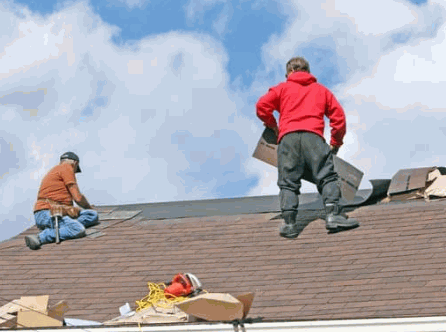
Why is the Roof Work Important?
Roof maintenance is essential not only for the aesthetic appeal of a structure but also for preserving its structural integrity and ensuring the safety of its occupants. Properly executed roof maintenance and repairs can effectively prevent leaks, reduce energy costs, and enhance the overall durability of roofing materials.
Regular roof maintenance plays a critical role in safeguarding property value over time, as neglected roofs can result in significant damage and costly repairs in the future.
Ensuring that the roof is in good condition is imperative for several reasons that extend beyond mere aesthetics. For example, compromised roofing can present safety risks due to potential collapses or leaks that may affect the interior environment.
Moreover, the condition of the roof has a substantial impact on energy efficiency; a well-maintained roof serves as an effective barrier against heat loss during the winter and helps maintain cooler indoor temperatures in the summer, ultimately contributing to lower energy bills. A structurally sound roof enhances the longevity of the entire building, thereby preserving overall property value.
It is crucial for homeowners and property managers to prioritize proactive maintenance and recognize the importance of utilizing high-quality roofing materials to ensure optimal performance and reliability.
- Safety: Protects occupants from structural failures.
- Energy Efficiency: Reduces heating and cooling costs.
- Structural Integrity: Extends the lifespan of the building.
- Property Value: Prevents expensive repairs and maintains market appeal.
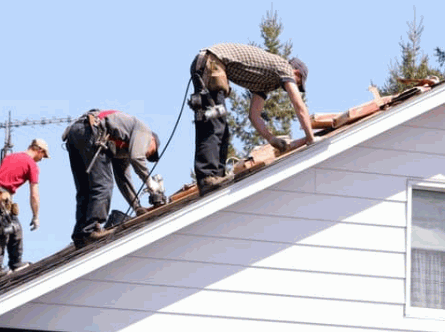
Safety Precautions for Roof Work
Ensuring safety during roofing operations is of utmost importance, as these activities involve numerous risks, including falls, slips, and exposure to hazardous substances.
Effective safety measures, such as the utilization of personal protective equipment (PPE) like safety harnesses and hard hats, are critical in mitigating these risks.
Furthermore, the implementation of a comprehensive roof safety checklist and strict adherence to OSHA guidelines can assist contractors and subcontractors in establishing a secure working environment for roofers while ensuring compliance with Environmental, Health, and Safety (EHS) management standards.
Wearing Protective Gear
Wearing appropriate protective gear is a fundamental aspect of ensuring safety during any roofing project.
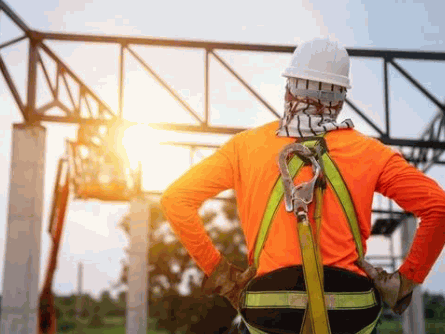
To achieve the highest level of safety, it is essential to utilize various types of personal protective equipment (PPE), including personal fall arrest systems. Each category of gear serves a specific purpose in safeguarding individuals working on rooftops.
For example, hard hats are designed to protect against impacts from falling objects, while safety harnesses provide critical fall protection to prevent serious injuries that can result from working at elevated heights. Additionally, non-slip footwear is vital for maintaining grip on potentially slippery surfaces, thereby significantly reducing the risk of slips and falls.
Incorporating protective eyewear is also important to shield the eyes from dust and debris. Regular inspections of this equipment are necessary to ensure that every component, from straps to soles, remains effective and safe for use.
By conducting these safety gear inspections, roofing professionals actively contribute to a safer working environment, thereby mitigating hazards and promoting best practices within the industry.
Using Proper Tools and Equipment
Utilizing appropriate tools and equipment is essential for ensuring efficiency and safety during roofing operations. Roofers must prioritize the quality and compatibility of their tools, as these factors directly influence both the craftsmanship of their work and the safety of the job site. It is imperative that all power tools, such as drills and cutters, are maintained in optimal working condition and are suitable for the specific roofing materials being utilized. Implementing safety measures, including fall protection systems such as roof brackets and guardrails, is crucial for preventing accidents while ensuring compliance with safety regulations outlined in the roofing safety checklist.
The importance of employing the correct tools cannot be overstated, as they not only enhance productivity but also reduce the risks associated with roofing tasks.
Common power tools used by roofers include:
- Electric or gas-powered drills for fastening and installation purposes.
- Rotary cutters are designed for the precise cutting of various roofing materials.
- Circular saws suited for cutting plywood sheets and shingles.
Each of these tools comes with specific safety requirements that must be strictly followed, including the use of personal protective equipment (PPE) such as gloves and eye protection to safeguard against potential injuries.
Fall protection systems are critical for safeguarding workers from accidents. These systems must be regularly inspected and adhere to safety regulations to ensure effectiveness. These systems include:
- Harnesses that are properly fitted and maintained.
- Safety nets are positioned strategically around the work area.
- Guardrails that create barriers at the edge of the roof, ensure that personnel remain safe while working at heights.
By integrating these components into the overall safety framework of roofing projects, individuals not only comply with regulations but also foster a culture of safety that benefits all parties involved.
Checking Weather Conditions
Checking weather conditions prior to commencing roof work is essential for ensuring the safety of all personnel involved. Extreme temperatures, heavy rainfall, and high winds can significantly elevate the risks associated with rooftop hazards, including slips and falls. Contractors should implement safety measures that take into account the weather forecast, postponing work when conditions are unfavorable to minimize the likelihood of accidents and injuries on-site.
Understanding how various weather conditions can impact the structural integrity of a roof, as well as the well-being of workers, underscores the necessity for proactive measures. Elevated temperatures can cause surfaces to reach dangerously high levels, resulting in heat-related illnesses. Conversely, cold temperatures may lead to frost and ice, which create slippery conditions. Heavy rainfall not only hampers visibility but also increases the risk of water accumulation, potentially compromising stability.
Key precautions include: Consulting local weather forecasts and radar imagery before initiating any task, evaluating the onset and duration of potential adverse conditions, utilizing safety gear specifically designed to endure harsh weather situations, and ensuring that appropriate fall protection systems are established, particularly in windy conditions.
- Consulting local weather forecasts and radar imagery before initiating any task.
- Evaluating the onset and duration of potential adverse conditions.
- Utilizing safety gear specifically designed to endure harsh weather situations.
- Ensuring that appropriate fall protection systems are established, particularly in windy conditions.
Ultimately, awareness and preparation are critical in fostering a safe working environment, making thorough weather assessments and roof safety checks essential components of any roofing project.
Having a Partner or Spotter
Having a partner or spotter during roofing activities can significantly improve both safety and efficiency on the job site. Teamwork enables roofers to monitor one another, ensuring adherence to safety protocols and providing assistance in the event of an emergency. Roofers should be aware of potential electrical hazards and ensure proper precautions are in place. This practice not only reduces the likelihood of accidents but also promotes a collaborative environment that is crucial for the successful completion of roofing projects.
When engaging in demanding tasks, such as lifting heavy materials or positioning scaffolding, the presence of a spotter proves invaluable. A well-coordinated team can effectively manage these strenuous operations by distributing responsibilities. For example, while one individual focuses on securing and stabilizing materials, the other can observe the surroundings and provide timely instructions.
- Increased Awareness: Spotters play a critical role in identifying potential hazards, such as uneven surfaces or adverse weather conditions, thereby allowing roofers to adjust their methods accordingly.
- Immediate Assistance: In case of a slip or equipment failure, having a partner ensures that assistance is readily available, minimizing the severity of any incident.
- Enhanced Communication: Continuous dialogue between partners facilitates a smoother workflow, enabling them to anticipate each other’s needs effectively.
The synergy created through such partnerships not only enhances overall performance but also fosters a sense of camaraderie and mutual respect among crew members.
Keeping the Work Area Clear
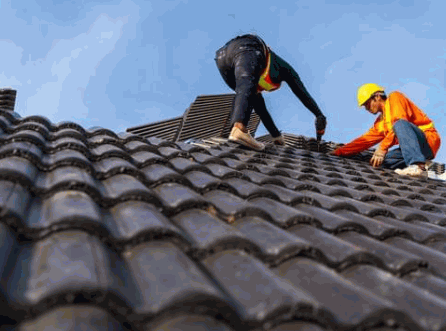
Maintaining a clean work area is a critical component of roof safety that can effectively prevent accidents and injuries during roofing tasks. By ensuring that all hazardous substances, tools, and debris are organized and stored properly, roofers can significantly reduce the risk of slips and falls, which are common causes of injuries on construction sites. Implementing safety measures, such as proper roof safety signs including danger signs, warning signs, and caution signs, can further enhance awareness. These steps are essential for establishing a safe workspace.
Along with the immediate benefits, a clean workspace also enhances overall efficiency. When roofers can easily locate the tools and materials they require, they can work more swiftly and with fewer interruptions.
To maintain an orderly work area, the following essential safety measures and practices should be implemented:
- Conduct regular inspections of the workspace to identify and remove any potential hazards.
- Designate specific areas for storing tools and materials to avoid overcrowding.
- Provide adequate training on proper handling and storage techniques to all crew members.
- Utilize tarps or bins to collect debris immediately as roofing projects progress.
By fostering the habit of maintaining an organized worksite, roofers not only enhance their own safety but also establish a standard for professionalism within their trade.
How to Properly Set Up a Ladder for Roof Work?
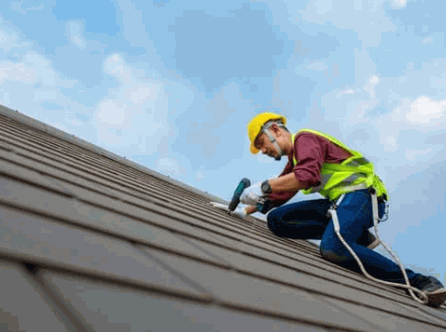
Proper ladder setup is essential for ensuring safety during roof work, as it serves as the primary means of access to elevated surfaces. Roofers must select the appropriate type and size of the ladder, position it at the correct angle, and secure it adequately to prevent slips and falls. Compliance with OSHA standards for ladder use is crucial in mitigating risks.
By adhering to established ladder safety guidelines, contractors can significantly mitigate the risks associated with ladder use while working on rooftops.
Choosing the Right Ladder
Selecting the appropriate ladder is a critical component in ensuring safety during roof work, as different types of ladders serve distinct purposes and accommodate varying heights. Roofers must evaluate several factors, including ladder material, weight capacity, and the specific tasks to be undertaken, when determining the most suitable ladder for their projects. The correct choice of ladder not only enhances safety but also improves efficiency and facilitates access to hard-to-reach areas, particularly on a steep roof.
In the context of roof work, utilizing the correct ladder can significantly influence both worker safety and overall productivity. Numerous types of ladders are available for roofing applications, each designed with specific features to meet particular needs.
For instance:
- Extension Ladders: These ladders are ideal for accessing high roofs, as they can extend to various heights and are typically constructed from lightweight aluminum, allowing for easy maneuverability.
- A-frame Ladders: Commonly utilized for smaller tasks, these ladders provide a stable base and support, enabling easy access to lower roof sections.
- Scaffolding Ladders: Designed for prolonged work, these ladders offer a platform that ensures stability and versatility in climbing.
Each ladder type possesses unique advantages that can significantly impact safety and ease during roof maintenance. Therefore, it is essential for roofers to thoroughly consider their options before making a selection.
Positioning the Ladder Correctly
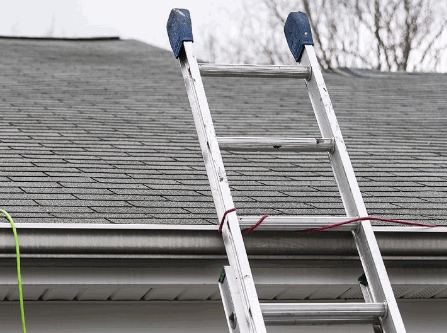
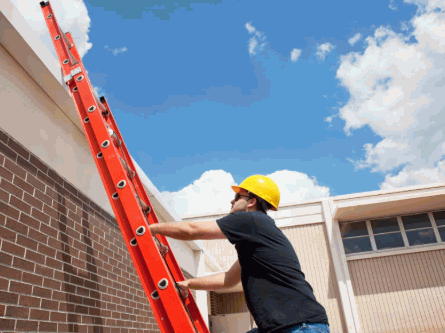
Positioning the ladder correctly is essential for ensuring both stability and safety during roofing tasks. Roofers should adhere to the 4-to-1 rule, which dictates that for every four feet of ladder height, the base of the ladder should be one foot away from the wall. This method enhances stability and significantly reduces the risk of tipping or slipping, which is critical for preventing falls and injuries on the job site.
Along with the 4-to-1 rule, it is imperative for roofers to conduct regular inspections of the ladder for any signs of damage, such as cracked rungs or loose components. A thorough check prior to climbing can help avert potential accidents.
Utilizing a level surface is also crucial; placing the ladder on uneven ground can greatly increase the likelihood of it falling. It is advisable to refrain from overreaching while on the ladder; if an item is beyond reach, it is safer to descend and reposition the ladder rather than stretch awkwardly, which can lead to a loss of balance.
- Always secure the ladder with stabilizers for enhanced safety, and ensure PPE checks are conducted before use.
- Ensure that footwear provides adequate traction to prevent slipping.
- Maintain a clear area around the ladder, free from obstacles and debris.
By adhering to these practical guidelines and recognizing the scenarios that can lead to potential risks, workers can foster a safer environment for themselves and those around them.
Securing the Ladder
Securing the ladder is an essential safety measure that prevents accidents and ensures stability during roofing work. Regular safety checks are necessary to verify ladder stability.
Along with averting potential mishaps, it is imperative for roofers to understand the various methods available to enhance ladder safety. The careful selection of a ladder stabilizer can effectively broaden the base of support, thereby significantly reducing the likelihood of the ladder slipping on uneven surfaces. Additionally, utilizing tie-offs—securing the ladder to a stable structure—provides an extra layer of protection that ensures the ladder remains securely in place.
- Always inspect the stability of the ground before placing the ladder.
- Position the ladder at a safe angle to ensure optimal balance.
- Utilize both hands when climbing to maintain focus and control.
By prioritizing these safety measures, roofers not only protect themselves but also foster a culture of safety within their profession. Engaging in comprehensive EHS management practices further supports this goal.
Types of Roof Work
Types of roofing work encompass a broad spectrum of activities, including installation, maintenance, repairs, and inspections, each fulfilling a distinct role in the longevity and functionality of roofing systems.
Roofers and contractors must possess expertise in various techniques and processes to adequately address the specific needs of different roofing materials and structures. A comprehensive understanding of the individual requirements associated with each type of roofing work is imperative to ensure safety and uphold quality standards in roofing projects.
Repairs and Maintenance
Roof repairs and maintenance are critical for extending the lifespan of roofing systems and ensuring their effectiveness in safeguarding buildings against various weather elements. Conducting regular inspections enables roofing professionals to identify signs of damage or wear in roofing materials, which, if not addressed, can result in leaks or structural issues. Such practices are supported by data from the Bureau of Labor Statistics and guidelines from NIOSH.
By investing in timely repairs and maintenance, homeowners and property managers can enhance the safety of their roofs while avoiding costly replacements in the future.
These inspections are vital for maintaining the overall health of the property, as they facilitate the early detection of potential problems. Common issues that may arise include:
- Shingle damage due to severe weather conditions
- Blocked drainage systems that can lead to water pooling
- Corrosion or rust on metal roofs
- Flashing failures around chimneys and vents
Promptly addressing these issues not only safeguards the structural integrity of the roof but also enhances the property’s value. Regular maintenance promotes a proactive approach, allowing homeowners to enjoy a secure and durable roofing system for years to come, ultimately saving costs and providing peace of mind.
Installation
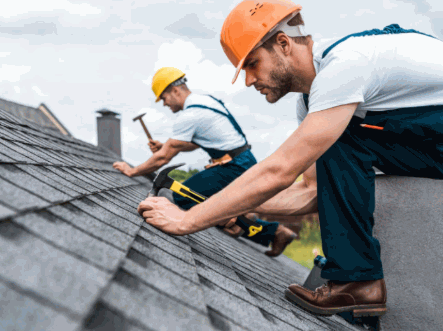
Roof installation entails the meticulous arrangement of roofing materials to establish a protective barrier against environmental elements, thereby ensuring the safety and comfort of occupants within a structure. Adhering to roof safety guidelines is crucial throughout this process.
This process necessitates the expertise of skilled contractors who must select appropriate roofing materials based on various factors, including climate, architectural design, and budgetary constraints. The range of material options is extensive, encompassing traditional asphalt shingles as well as contemporary metal roofing, each presenting unique advantages.
Adherence to proper installation techniques is essential for maintaining roof safety and optimizing the durability of the selected materials. It is imperative that contractors follow best practices throughout the installation process to mitigate potential hazards. This includes ensuring a secure structural framework, applying adequate underlayment, and conducting regular inspections for leaks or damage. Quality workmanship not only enhances the roof’s performance but also significantly prolongs its lifespan.
Key considerations include:
- Selection of materials based on local climatic conditions.
- Compliance with building codes and regulations.
- Utilization of safety equipment to prevent accidents.
Cleaning and Inspection
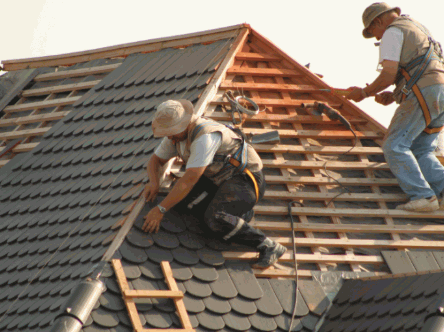
Roof cleaning and inspection are essential components of comprehensive roof maintenance, ensuring that roofing materials remain in optimal condition and free from debris that could lead to damage. Regular inspections enable roofing professionals to identify potential issues early, such as cracks or mold growth, which may compromise the integrity of the roof. By prioritizing these activities, homeowners can enhance roofing safety and extend the lifespan of their roofs.
Establishing a routine schedule for these crucial tasks can prevent costly repairs in the long run. Homeowners should aim for roof cleaning at least once a year, while inspections should ideally be conducted bi-annually, preferably during the spring and fall.
- During the cleaning process, it is important to remove accumulated leaves, algae, and moss to prevent water retention.
- Regular inspections should focus on flashing, gutters, and downspouts to ensure that no clogs or blockages exist. NIOSH provides guidelines to assist with these inspections.
By adhering to these best practices, homeowners can more effectively safeguard the roof’s structure against premature deterioration, ultimately ensuring the safety of all residents.
Common Risks and Hazards of Roof Work
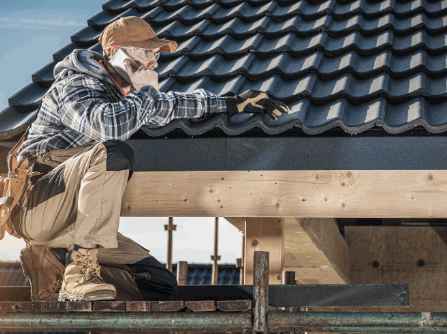
The common risks and hazards associated with roofing work present substantial threats to the safety of roofers and contractors, thereby necessitating the implementation of effective safety measures.
Falls and slips are the primary causes of injuries in the roofing industry, frequently resulting from unstable surfaces or improper ladder usage. Furthermore, the dangers of electrocution from power tools, combined with weather-related risks such as extreme temperatures and storms, exacerbate the safety challenges on construction sites.
Consequently, heightened awareness and preparedness are essential for mitigating these risks.
Falls and Slips
Falls and slips represent the most prevalent hazards encountered during roofing activities, often leading to serious injuries or fatalities. Contributing factors to these incidents include wet surfaces, uneven roofing materials, and insufficient fall protection measures. It is imperative for contractors and roofers to adopt appropriate safety protocols—such as utilizing personal fall arrest systems and ensuring proper ladder setup—to significantly mitigate the risk of such accidents.
A thorough understanding of environmental conditions and the materials being utilized is essential for establishing a safe working environment. For example:
- Weather conditions such as rain and snow can create slippery surfaces.
- Improperly secured ladders can result in hazardous falls.
- The use of worn-out footwear lacking adequate tread increases the risk of slipping.
These factors underscore the necessity of proactive safety measures.
Best practices that contractors and roofers should implement include:
| Safety Measure | Description |
|---|---|
| Regular Training | Conduct safety training sessions to keep workers informed about best practices and potential hazards, incorporating roofing safety tips and PPE checks. |
| Equipment Inspection | Frequently inspect safety gear and tools to ensure that all equipment is in proper working order. |
| Clear Communication | Establish a communication plan during roofing activities to alert team members to any changes or hazards. |
By implementing these strategies, overall safety can be significantly enhanced, thereby reducing the risk of falls and slips. Engaging in EHS management practices also plays a critical role.
Electrocution
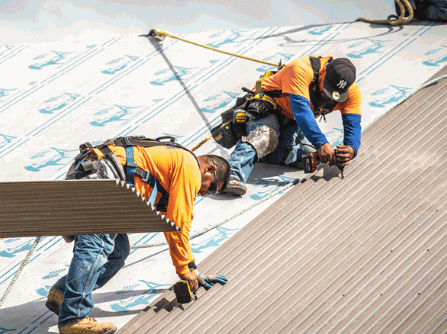
Electrocution poses a significant hazard in roofing work, frequently resulting from improper handling of power tools or exposure to overhead electrical lines. It is imperative for roofers to remain vigilant in identifying electrical hazards and to implement appropriate safety measures to mitigate these risks, such as maintaining a safe distance from live wires and utilizing insulated tools.
Each year, numerous incidents occur due to negligence concerning basic safety standards, often resulting in fatalities and severe injuries. Common sources of electrical hazards include:
- Overhead power lines that may not be adequately marked.
- Improperly grounded tools and equipment.
- Faulty wiring within the property.
To address these dangers, it is crucial for contractors to adopt robust preventive measures, including:
- Conducting thorough site assessments prior to the commencement of work.
- Providing practical training sessions for all employees on recognizing electrical hazards.
- Implementing a safety protocol that includes regular inspections of tools and equipment.
By enhancing awareness and training regarding electrical safety, the likelihood of serious accidents can be significantly reduced, thereby promoting a safer working environment for all individuals involved in roofing projects.
Weather-related Risks
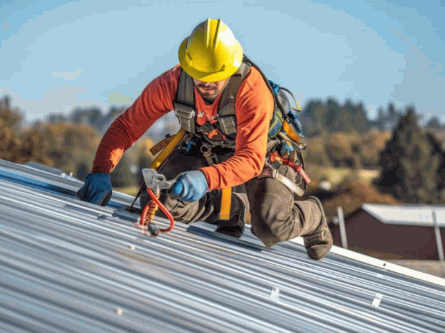
Weather-related risks pose a significant concern for roofing professionals, as extreme temperatures, precipitation, snow, and high winds can greatly impact safety and working conditions. These factors may lead to slippery surfaces, reduced visibility, and increased fatigue among workers. Implementing safety precautions—such as monitoring weather forecasts and adapting work schedules accordingly—can help mitigate these risks and create a safer working environment for roofing activities.
When roofing under adverse weather conditions, it is essential for roofers to adjust their strategies to ensure both personal safety and the integrity of the roof being worked on. For instance, during extremely hot summer days, taking regular breaks in shaded areas and ensuring adequate hydration is vital to combat heat exhaustion.
In rainy conditions, the use of slip-resistant footwear and the installation of temporary coverings can help maintain dry and manageable surfaces. In winter, ensuring proper insulation and utilizing heated equipment can prevent ice formation, thereby enhancing job safety. Organizations like OSHA provide guidelines to follow in these scenarios.
Regardless of the season, conducting safety briefings is always advisable, particularly emphasizing equipment checks and the proper use of harnesses during high wind conditions. By remaining informed and adequately prepared, roofing professionals can navigate these challenges effectively, minimizing risks while sustaining productivity.
Material and Equipment Hazards
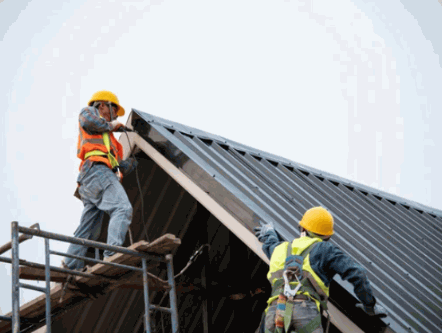
Material and equipment hazards are prevalent in roofing work, presenting risks that can lead to accidents and injuries if not effectively managed. It is essential for roofers to recognize the potential dangers associated with various roofing materials and the improper use of power tools, which can result in cuts, falls, or equipment malfunctions.
By adhering to proper handling procedures and conducting regular safety inspections, contractors can mitigate these hazards and promote a safe working environment. The Bureau of Labor Statistics provides data that helps in understanding these risks.
When working at heights, one of the most significant challenges involves the risks associated with heavy roofing materials, such as shingles, tiles, or metal sheets. These materials pose a serious risk of injury if they are dropped or if they fall from the roof. Furthermore, roofing materials may become slippery when wet, thereby increasing the likelihood of slips and falls.
Power tools, including nail guns, saws, and ladders, can introduce unique hazards. For instance, improper use of a nail gun can lead to accidental discharge, resulting in puncture wounds. To address these dangers, strict adherence to safety practices is imperative. Roofers should:
- Wear appropriate personal protective equipment (PPE), including helmets and non-slip footwear, and perform regular PPE checks.
- Conduct daily inspections of equipment to ensure all tools are functioning properly.
- Utilize, such as harnesses and guardrails, wherever applicable, as recommended by OSHA guidelines.
By implementing these proactive measures and following EHS management best practices, the likelihood of accidents can be significantly reduced, thereby fostering a safer working environment for all individuals involved.