
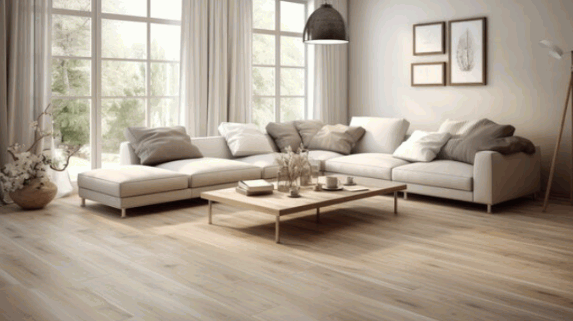
Laminate floors are a popular choice for homeowners due to their durability and easy maintenance. To keep these floors looking their best, regular cleaning is essential.
We discuss the common methods for cleaning laminate floors, the best products to use, as well as dos and don’ts to prevent damage. Whether you prefer sweeping, vacuuming, mopping, or steam cleaning, we’ve got you covered.
Learn how to keep your laminate floors looking shiny and new for years to come.

What Are Laminate Floors?
Laminate floors are a popular, cost-effective flooring option that provides homeowners with realistic finishes mimicking hardwood and stone, thanks to advanced photographic reproduction and durable plastic coatings on a wood-based material.

Why Do Laminate Floors Need Cleaning?
Cleaning laminate floors regularly is essential for maintaining their finish and shine, preventing wear and tear, and ensuring the longevity of the flooring surface.

What Are The Common Methods To Clean Laminate Floors?
There are several common methods to clean laminate floors, such as sweeping, vacuuming, and damp-mopping, each playing a crucial role in maintaining the flooring in pristine condition.
Sweeping
Sweeping laminate floors is a simple and effective way to remove loose dirt and debris, keeping the surface dry and clean.
Regular sweeping of laminate floors helps prevent scratches and damage caused by grit and dirt particles accumulating on the surface.
Choosing the right type of broom is crucial for efficient cleaning – soft bristle brooms or microfiber mops are ideal for laminate flooring as they are gentle on the surface yet effective in picking up dust.
Maintaining dry floors not only enhances the aesthetics but also prevents moisture-induced issues like warping and swelling of the laminate boards.

Vacuuming
Vacuuming is another effective method for surface cleaning laminate floors, removing dust and particles from hard-to-reach areas.
When choosing a vacuum for laminate floors, it is crucial to opt for models that feature adjustable suction power and/or brush roll settings. These settings help prevent potential damage to the floor’s surface.
Stick vacuums or canister vacuums with smooth wheels are ideal for laminate floors. Avoid using vacuums with beater bars, as they can scratch the surface.

Mopping
Using a damp mop is a safe way to clean laminate floors, especially when dealing with stains and spills that require more thorough cleaning.
When mopping laminate floors, it’s crucial to remember the correct technique. Start by sweeping or vacuuming the floor to remove any loose dirt and debris. Then, using a damp mop—meaning it should be wet but not dripping—lightly go over the surface. Excessive water can seep into the seams of the laminate and cause warping or swelling, so always wring out the mop well.
Choosing the right cleaning solution is also key. Opt for specific laminate floor cleaners or mild soapy water to avoid damaging the surface. Harsh chemicals or abrasive cleaners can strip the protective layer of laminate, leading to quicker wear and tear.
Remember, it’s better to mop more frequently with a properly dampened mop than to use excessive water in an attempt to get the job done faster. Taking the time to clean correctly will help maintain the beauty and longevity of your laminate floors in the long run.

Steam Cleaning
While steam cleaning can be effective, it’s crucial to check the manufacturer’s care instructions to ensure it’s safe for your laminate floors.
Using steam cleaners on laminate floors can offer several benefits such as deep cleaning, sanitization, and elimination of bacteria without the need for harsh chemicals. The high-temperature steam can effectively dissolve dirt and grime, leaving your floors sparkling clean.
There are also risks involved in steam cleaning laminate floors. Excessive moisture from steam can seep into the seams of the laminate planks, causing swelling, warping, or even separation. This could lead to irreversible damage, requiring costly repairs or replacement.
Check out: Where Does The Dirt Go When You Steam Clean

What Are The Best Products To Clean Laminate Floors?
Choosing the right products to clean laminate floors is vital to ensure their longevity and maintain their appearance, including homemade solutions like vinegar and water or baking soda and water, as well as commercial laminate floor cleaners.
Vinegar and Water Solution
A vinegar and water solution is a popular and natural cleaning option for laminate floors, offering an eco-friendly way to remove dirt and grime.
When preparing the solution, the ideal mixture ratio is 1:1, with equal parts of white vinegar and water mixed in a spray bottle for easy application. To use, simply spray the solution onto the laminate surface and wipe it down with a soft cloth or mop. The acidity of vinegar helps dissolve tough stains and disinfect the floor naturally.
One of the benefits of using a vinegar solution is that it is cost-effective and doesn’t leave behind any chemical residue that may harm the environment. It is important to avoid using excessive amounts of vinegar as it can cause damage or discoloration to laminate surfaces. Always test the solution on a small, inconspicuous area first and gently wipe dry to prevent any potential harm or streaking.

Baking Soda and Water Solution
Baking soda and water solutions are highly effective for stain removal on laminate floors, tackling tough spots without harsh chemicals.
When mixing a solution for stain removal, it’s important to combine baking soda and water in a ratio that allows for a thick paste consistency. A tablespoon of baking soda mixed with a few drops of water should be enough to form the paste. This paste can be applied directly to common stains like spilled coffee, pet urine, or even grease marks. It’s recommended to let the paste sit on the stain for at least 10-15 minutes to allow it to absorb and work its magic. After the allotted time, gently scrub the area with a soft cloth or sponge and wipe it clean with a damp cloth.

Commercial Laminate Floor Cleaners
Commercial laminate floor cleaners, often recommended by experts in publications like Better Homes & Gardens and JoCo Magazine, are specially formulated to clean without damaging the finish.
These cleaners offer several benefits that make them a popular choice among homeowners. They are designed to effectively remove dirt, grime, and stains from laminate floors, leaving them looking fresh and polished. Commercial cleaners help to maintain the longevity of the flooring by protecting against wear and tear. Some top recommendations for commercial laminate floor cleaners include brands such as Bona, Rejuvenate, and Black Diamond.
When using these products, it is important to follow the manufacturer’s instructions carefully to achieve optimal results. It is also advisable to test the cleaner in a small inconspicuous area before applying it to the entire floor.

What Are The Dos and Don’ts of Cleaning Laminate Floors?
In terms of cleaning laminate floors, adhering to the dos and don’ts is crucial to protect the flooring and ensure its longevity, as outlined in the manufacturer’s care instructions.
Dos:
To maintain laminate floors, it’s important to regularly sweep or vacuum, ensure floors stay dry, and use protective floor pads under furniture.
Regular sweeping or vacuuming not only removes dirt and debris that can scratch the surface of laminate floors but also helps prevent the accumulation of grit that can wear down the protective layer over time. Ensuring that floors remain dry is paramount in protecting the integrity of the planks, as excess moisture can lead to warping or swelling. Utilizing protective floor pads under furniture legs helps distribute weight evenly, reducing the risk of indentation marks and scratches that may occur from moving or sliding items across the floor.
Don’ts:
Avoid using standing water, exposing the floors to excessive sunlight, and neglecting to trim pet’s nails or enforce a no-shoes policy to prevent moisture damage and other issues.
- Standing water can seep into porous surfaces, causing mold and mildew to thrive, resulting in potential health hazards and structural damage. Instead, promptly clean up spills and invest in mats to prevent water accumulation.
- Excessive sunlight can fade and warp flooring materials, compromising their appearance and longevity. Consider using curtains, blinds, or UV-protective films to shield floors from direct sunlight.
- Neglecting to trim a pet’s nails can lead to scratches and gouges on the floor surface. Implement a regular grooming routine and protective nail caps for pets to safeguard your flooring.
- Enforcing a no-shoes policy helps reduce dirt, grit, and debris accumulation, preventing premature wear and tear. Provide a shoe rack and slippers for guests to encourage compliance with the policy.
How To Prevent Damage To Laminate Floors While Cleaning?
Preventing damage to laminate floors during cleaning involves using the right techniques and products to protect the finish and maintain the shine, always following the manufacturer’s care instructions.
One of the common mistakes to avoid when cleaning laminate floors is using excessive water, as it can seep into the seams and cause swelling. Instead, opt for a microfiber mop slightly dampened with a gentle cleaning solution. Make sure to sweep or vacuum regularly to remove dirt and debris that can scratch the surface. To enhance the protective finish, consider adding felt pads to furniture legs to prevent scratches when moving them across the floor.

How Often Should Laminate Floors Be Cleaned?
Maintaining laminate floors involves regular cleaning routines, with surface cleaning recommended at least once a week and more thorough upkeep on a monthly basis to ensure longevity.
To effectively maintain the pristine appearance of your laminate floors, it is essential to incorporate a detailed cleaning schedule catering to varying levels of foot traffic and usage. For areas with high foot traffic, such as entryways and living rooms, daily sweeping or vacuuming is crucial to prevent dirt and debris from causing scratches. Implementing protective measures such as doormats and felt pads under furniture can also aid in preserving the floor’s finish.
For moderate to low-traffic areas like bedrooms or dining rooms, a weekly cleaning routine including damp mopping with a pH-neutral floor cleaner is ideal. This will help remove any accumulated grime without compromising the integrity of the laminate surface. Periodic deep cleaning sessions on a monthly basis, using a manufacturer-approved cleaning solution and a damp mop, will help to maintain the floor’s luster and durability over time.