
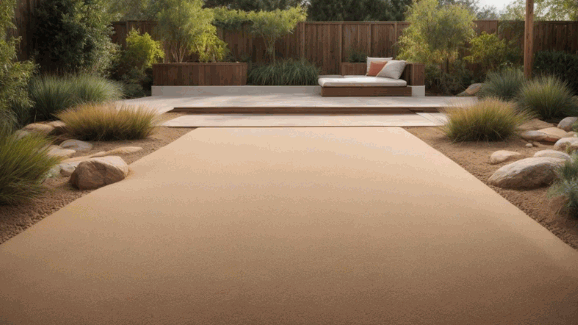
Can plastering sand be used in the garden? It’s worth exploring!
Plastering sand, also known as rendering sand, is coarser and contains bigger particles than other types of sand. That means it’s not ideal for seedbed preparation or potting mixes. But it can still have its uses.
Plastering sand can improve soil drainage in waterlogged areas. The coarse texture allows water to pass through more easily. This could prevent root rot.
Plastering sand can also be used as a top dressing for lawns. The coarse particles help to break up compacted soil and improve water penetration. This can promote healthy root growth.
It’s important to remember that plastering sand isn’t a substitute for other essential gardening materials. It should be used in conjunction with other components for optimal growing conditions.
What is Plastering Sand?
Plastering sand is a special type of sand used by construction pros. It’s been graded and washed to get rid of impurities, so you get a smooth and even finish. But it can do more than that!
Soil is key for healthy plant growth. Plastering sand has a fine texture and can keep moisture, so it’s great for mixing with existing soil. This can help with drainage in areas prone to waterlogging and root rot, especially in clay soils.
It’s also useful for laying paving stones or bricks. Because it’s compact, it keeps the surface stable and prevents sinking over time.
Plus, plastering sand is an ideal ingredient in homemade potting mixes. Blend it with compost, peat moss, or other organic matter to get a mix that drains well. This is great for potted plants or container gardening.
Here are three top tips:
- Mix 1 part plastering sand with 3 parts soil when planting.
- Use plastering sand as a base layer when laying paving stones.
- Create a potting mix with equal parts plastering sand, compost, and peat moss.
Plastering sand is great for your garden. It’ll help with soil quality, outdoor surfaces, and the growing environment. Give it a go!

Can Plastering Sand be Used in the Garden?
Plastering sand can be used in the garden for various purposes. Here are five key points to consider:
- Soil improvement: Plastering sand can enhance soil drainage and aeration, making it ideal for gardens with clay or compacted soil types.
- Seedbed preparation: Plastering sand can be used to create a smooth and firm seedbed for sowing seeds, providing a suitable environment for germination and growth.
- Leveling and filling: Plastering sand can be used to level uneven surfaces and fill low spots in the garden, improving the overall appearance and usability.
- Construction projects: Plastering sand can serve as a base or bedding material for paving projects, such as creating walkways or building decorative structures in the garden.
- Potting mix component: Plastering sand can be added to potting mixes to enhance drainage and prevent compaction in container gardening.
It is worth noting that plastering sand should be used in moderation and mixed with existing soil or other organic matter for optimal results.
Additionally, it is important to choose plastering sand with the right particle size and composition suitable for gardening purposes.
Plastering sand in your garden: it’s like giving your plants a soft and sandy spa treatment, minus the cucumbers on their eyes.
Benefits of Using Plastering Sand in the Garden
Plastering sand can be a great addition to your garden. It boosts soil structure, drainage, and nutrient storage, prevents compaction and erosion, and promotes root growth. Here’s what you should know about it:
- Soil structure: Plastering sand helps break up heavy clay soils, allowing more air and root penetration.
- Improved drainage: Its coarse texture helps with water drainage, which prevents waterlogging and diseases.
- Nutrient retention: Like a sponge, plastering sand holds onto essential nutrients and stops them from being washed away.
- Compaction prevention: Loosening the soil with plastering sand means roots can grow freely.
- Erosion control: It acts as a protective layer against soil erosion.
Plus, it brings a bright and polished look to your garden. Here’s how to get the most out of it:
- Mix it well: Make sure to blend the plastering sand into the existing soil.
- Measure it: Do a soil test to know the right amount for your garden.
- Use mulch too: Put mulch on top after adding the plastering sand. It helps with moisture, weeds, and fertility.
- Monitor moisture: Check moisture levels as plastering sand affects water retention. Adjust watering accordingly.
By following these tips you can enjoy the full benefits of plastering sand in your garden. You’ll have healthier plants and a beautiful outdoor space!
Uncover more: Can Venetian Plaster Be Used Outdoors

Considerations for Using Plastering Sand in the Garden
Plastering sand can be used in gardens – but there are some key points to remember:
- First, make sure it is clean and free from contaminants – for the health of your plants.
- Combine the plastering sand with other soil or compost, to help drainage. It can be compacted too tightly, so a mix is better.
- Test the pH level – some plastering sand has high alkalinity, which can harm acid-loving plants.
- Take note of its texture – finer and less coarse than other sands. Consider adding organic matter or perlite to improve soil structure.
- Decide if it’s for top dressing or part of a soil mix. Plastering sand’s fine texture is great for top dressing, as well as moisture retention.
- Keep an eye out for any compaction or excess moisture – this can cause drainage and root rot.
Steps to Using Plastering Sand in the Garden
Plastering Sand: Steps to Utilize it in Your Garden
Plastering sand can be effectively utilized in your garden to improve soil quality and enhance plant growth. Follow these simple steps to use plastering sand in the garden:
- Prepare the soil: Clear the garden area of any debris, weeds, or rocks. Loosen the soil using a tiller or garden fork to ensure proper drainage and aeration.
- Spread the sand: Evenly distribute the plastering sand over the garden bed. Use a rake to incorporate the sand into the top layer of soil. Aim for a depth of around 1-2 inches for optimal results.
- Mix with existing soil: Use a garden hoe or shovel to thoroughly mix the plastering sand with the existing soil. This will help improve soil structure, enhance water retention, and promote root penetration.
- Test soil pH: Before planting, it is essential to check the pH level of your soil. Plastering sand tends to be alkaline in nature, so if your soil is already alkaline, it may not be suitable. Adjust the pH as necessary to create the ideal growing conditions for your plants.
- Plant and maintain: Once the sand is properly incorporated, you can proceed with planting your desired flowers, vegetables, or other garden plants. Regularly monitor moisture levels and provide adequate irrigation to ensure optimal growth.
Remember, plastering sand should be used judiciously and in conjunction with other organic amendments to create a balanced and healthy garden environment.
Plastering sand has been utilized in gardens for centuries. Its ability to improve soil structure, drainage, and water retention has made it a popular choice among gardeners. Ancient civilizations like the Egyptians understood the benefits of using sand to cultivate fertile and productive lands, leading to bountiful harvests. Today, this traditional practice continues to be embraced by gardeners around the world with promising results.
Before you start digging, just remember, that gardening is the art of slowly killing plants, so why not bury them in style with some plastering sand?
Preparing the Garden Bed
Preparing the garden bed is essential for a thriving and beautiful garden. Here’s a 3-step guide to help you do it effectively.
- Clearing the Area: Get rid of debris, rocks, or plants. Trim overgrown vegetation and pull out weeds.
- Soil Preparation: Loosen the soil using a garden fork or tiller. Improve drainage and let plant roots penetrate. Add organic matter like compost or manure for nutrients.
- Level and Mulch: Level the soil with a rake or tool. Apply mulch on top to retain moisture, control weeds, and provide an ideal temperature.
Consider a soil test to check pH and nutrient content. Adjust soil with lime or fertilizer if needed.
Create an ideal environment for plants:
- Choose plants suitable for climate and soil.
- Follow spacing guidelines.
- Water deeply but infrequently.
- Monitor for pests and diseases.
- Rotate crops yearly.
Follow these suggestions and you’ll have a foundation for a vibrant garden.

Mixing Plastering Sand with Soil
Combining plastering sand with soil can boost the texture and quality of garden beds. This mix provides a nutrient-filled environment for plants to thrive. To mix these two components correctly:
- Clear the area, take out any rocks or debris from the soil.
- Mix one part plastering sand with two parts soil for the best results.
- Blend the sand and soil together using a garden fork or tiller.
- Spread the mix over the garden beds or planting areas.
- Gently incorporate the mix into the existing soil.
- Water thoroughly to ensure proper moisture and distribution.
This gardening practice is not new; gardeners have been using it for years to improve soil quality. So, by combining plastering sand and soil you can create an ideal environment for your plants. Remember to follow these steps carefully for desired results.
Applying Plastering Sand as a Top Dressing
Plastering sand is great for gardens. Follow these 6 steps to use it:
- Prep the soil. Weed and loosen it with a garden fork or tiller.
- Spread the sand evenly – ½ to 1 inch thick.
- Level the surface with a rake.
- Water thoroughly so it can settle in.
- Monitor soil moisture with your finger.
- Repeat as needed.
Tip: To check if you’ve applied enough plastering sand, press firmly on the surface with your foot. If it feels firm without sinking too much, you’ve got the right amount. Don’t overdo it, as this could suffocate plant roots and impact nutrient uptake.

Tips for Using Plastering Sand in the Garden
Plastering sand can be used not just for construction, but also in gardens! Here are some tips:
- Improve Soil: Add plastering sand to clay soil to improve drainage and aeration.
- Seedbed Prep: Use plastering sand in the seedbed for optimal germination and root growth.
- Paving Base: Use plastering sand as a stable base for paving stones or concrete slabs.
Plus, its rough texture discourages slugs and snails.
André Le Nôtre, a famous French gardener from the 18th century, was the first to use plastering sand in gardens. His technique transformed barren patches into beautiful green spaces! Since then, plastering sand has become popular worldwide.
Potential Risks or Drawbacks of Using Plastering Sand in the Garden
Using plastering sand in the garden has risks and drawbacks. Here are some reasons why:
- Salt levels, harmful to plants, may be high.
- Water retention could be poor due to the sand particles being too fine.
- Nutrients needed for plant growth are lacking. Over time, it may compact and limit root growth, resulting in waterlogging.
Moreover, soil pH levels can be unbalanced, making it unsuitable for plants that prefer acidic or alkaline conditions. Additionally, roots may struggle to penetrate the sand texture.
Maintaining optimal soil conditions for plastering sand can be time-consuming and difficult for inexperienced gardeners. History also reveals negative outcomes from using it.
Plastering sand is not the best option for gardening because of its risks and drawbacks. Investing in quality soil tailored to plant needs is recommended for optimal growth and health.

Conclusion
Plastering sand can have multiple uses in the garden, such as improving drainage and providing a good base for paving stones. It can also be mixed with compost to create a nutrient-rich planting medium. However, caution should be taken as it may contain impurities or excessive salts, which could harm plants. A soil test is therefore recommended.
Maintenance and irrigation should be kept in mind when using plastering sand. Dryness can cause crusts on the surface, blocking water and harming plants. Regular watering and light cultivation can help avoid this.