As solar energy gains popularity, many people wonder about its efficiency, especially on less-than-sunny days.
This article explores the fundamentals of solar panels, how they operate, and the factors that influence their performance.
We look into whether solar panels can still generate electricity on cloudy days and discuss the impact of cloud cover.
Best practices for maximizing energy production during overcast weather and alternative energy solutions, including net metering and solar batteries, will also be shared.
Join us as we uncover the truth about solar panels and their resilience in diverse weather conditions.
What Are Solar Panels?
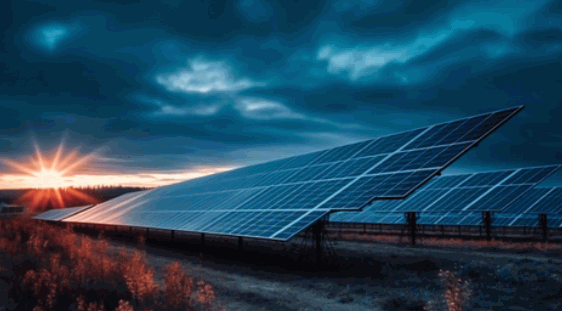
Solar panels are innovative devices designed to convert sunlight into electricity, harnessing photovoltaic energy through semiconductor materials called solar cells, which are the backbone of solar power systems. As a growing segment of renewable energy, solar panels play a vital role in generating energy production that can be fed into the electric grid. Leading companies like Tesla and organizations such as the Solar Alliance and the Solar Energy Industries Association are pioneering advancements in solar technology. The North American Board of Certified Energy Practitioners ensures that installations meet high safety and efficiency standards, thus driving the adoption of solar energy systems across regions like Seattle and Portland in Oregon.
How Do Solar Panels Work?
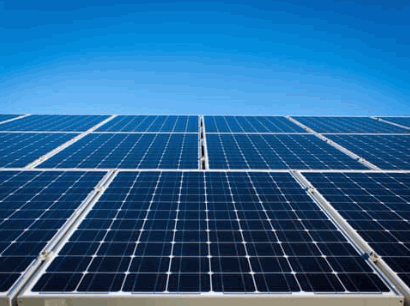
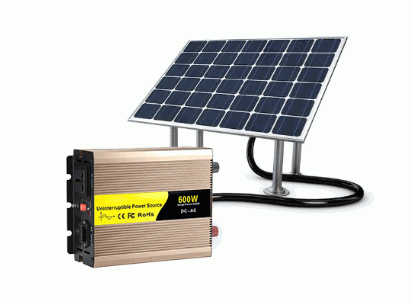
Solar panels operate by converting sunlight into electricity through a process known as the photovoltaic effect, where photovoltaic cells generate direct current (DC) when exposed to sunlight availability. This electricity can then be transformed into alternating current (AC) for use in homes and businesses, making solar power systems an efficient way to harness renewable energy, contributing to energy independence. The generated electricity can be consumed immediately or sent to energy storage solutions like solar batteries to be used later.
Look into: How To Fix Solar Panel At Home
What Factors Affect Solar Panel Efficiency?
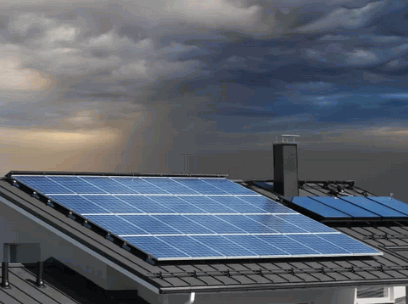
Several factors can significantly influence solar panel efficiency, impacting their overall power output and energy production capabilities. Key elements include sunlight intensity, which is affected by geographic location and weather conditions, including cloudy days, temperature variations, and the angle and orientation of the solar panels. Optimizing these factors is essential to ensure maximum performance from solar power systems, especially in regions like Seattle and Portland where cloudy weather may reduce sunlight availability, impacting overall energy production.
Sunlight Intensity
Sunlight intensity is critical for solar panels, as it directly impacts their ability to produce energy efficiently; lower sunlight intensity on cloudy days can lead to decreased energy production compared to sunny conditions.
Understanding how weather conditions affect sunlight intensity is essential for maximizing solar efficiency, and making the most out of every sunny moment. On sunny days, solar panels can harness nearly 100% of the sunlight available, which translates to optimal energy output. In contrast, overcast days typically reduce sunlight intensity by about 50% or more, resulting in a significant drop in performance and power output.
For example, research shows that a solar installation in a region with frequent cloudy weather can expect:
- 15-30% less energy output
- Increased reliance on battery storage during prolonged cloudy spells
- Higher energy bills due to less solar energy generation
Manufacturers often provide performance estimates based on average sunlight conditions, yet actual output can diverge radically due to weather fluctuations. Hence, awareness of how sun exposure varies throughout the year informs better energy management and expectations for solar panel owners.
Temperature
Temperature can also influence solar panel efficiency, as higher temperatures can lead to a reduction in energy production despite increased sunlight availability.
Specifically, the impact of temperature on solar cells is a critical aspect of their overall performance. In areas with consistently high temperatures, such as deserts, the efficiency of solar panels can drop significantly, which can be further exacerbated during cloudy weather. This phenomenon occurs because solar panels convert sunlight into electricity, but when they reach excessive heat levels, their operating voltage decreases. Consequently, it hampers the amount of energy they can harness.
Conversely, in cooler climates, solar panels may operate more effectively, allowing for optimal energy production. Weather patterns play a vital role here: regions with milder summers can experience higher overall efficiency compared to hotter zones, even if the sunlight exposure is comparable.
- Regions with high humidity can also experience varying efficiency levels.
- Colder temperatures can enhance energy output, but too much snow accumulation can obstruct sunlight.
- Finding the right balance in temperature is essential for maximizing energy yield and ensuring optimal performance of solar energy systems.
Understanding these dynamics can guide decisions in solar installations, maximizing energy production while considering local climate variables.
Angle and Orientation
The angle and orientation of solar panels are vital for optimizing energy production, as panels that are correctly positioned can capture more sunlight throughout the day, resulting in significant increases in overall efficiency and output. Proper alignment harnesses the sun’s rays at the most effective times, maximizing the energy harvested and ensuring that systems produce power at their peak capabilities. This relationship between positioning and performance cannot be overstated, as it is a key factor to consider for anyone looking to maximize their renewable energy investment with solar panels.
Adjusting the tilt of solar panels can lead to considerable improvements in energy generation. For instance, in regions closer to the equator, a flatter angle may be more effective, while locations further north generally benefit from steeper adjustments.
Here are some optimal angles based on geographic locations:
- Equatorial Regions: 0° to 15° tilt.
- Mid-Latitude Areas: 30° to 40° tilt.
- High-Latitude Zones: 45° to 60° tilt.
By customizing the angle according to seasonal variations and geographical needs, optimum sunlight capture can be achieved, resulting in enhanced energy production and efficiency for solar installations. This strategic planning not only boosts performance but also prolongs the operational lifespan of solar technology.
Can Solar Panels Work on Cloudy Days?
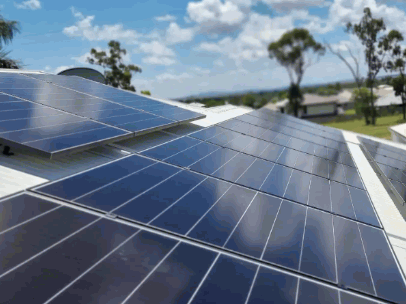
Yes, solar panels can work on cloudy days, although their energy production is generally reduced due to lower sunlight availability and intensity. Despite cloudy weather, photovoltaic cells can still generate electricity, albeit at decreased efficiency levels compared to sunny conditions, making them an important part of the renewable energy landscape. This means that solar power systems remain functional and can contribute to energy independence even in less-than-ideal weather conditions.
What Is the Impact of Cloud Cover on Solar Panel Efficiency?
Cloud cover can significantly impact solar panel efficiency, leading to fluctuations in energy production due to reduced sunlight intensity. This variability, influenced by factors such as cloud thickness and duration, necessitates a deeper understanding among solar energy users, especially in regions with frequent cloud cover.
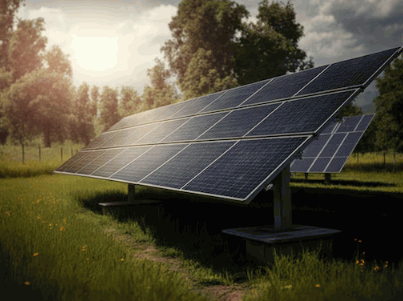
In areas with frequent cloud cover, solar energy systems may experience persistent drops in performance. For instance, a garden outfitted with solar panels can generate minimal power during overcast days, severely limiting its efficiency. Conversely, brief moments of sunlight breaking through the clouds can still yield productive energy generation, albeit to a lesser extent than on clear days.
- Thick, gray clouds can reduce sunlight to just 10-20% of the clear-sky potential.
- Partially cloudy skies result in more variable output, as sunlight can come in bursts.
- Monitoring systems can help track these changes, allowing better forecasting and energy management.
Understanding these scenarios is crucial for optimizing solar energy systems, as well as for homeowners and businesses aiming to maximize their clean energy outputs even under less-than-ideal weather conditions.
Is There Enough Light for Solar Panels to Generate Electricity on Cloudy Days?
Even on cloudy days, there is generally enough light for solar panels to generate electricity, though the amount produced will be lower compared to full sunlight conditions, highlighting the importance of solar battery storage. Innovative technologies and improvements in solar panel efficiency ensure that even in less-than-ideal weather, renewable energy remains a viable option for households and businesses alike.
Modern solar panels are designed with advanced photovoltaic cells, which can effectively capture and convert diffuse sunlight, often seen during overcast days, enabling renewable energy usage even in less-than-ideal conditions. These cells utilize a variety of materials, such as monocrystalline and polycrystalline silicon, enhancing their capability to convert available light into energy.
- Enhanced Light Absorption: Some panels come with anti-reflective coatings that allow them to absorb more light.
- High-Performance Inverters: These devices optimize energy conversion, making the most out of the energy generated even under lower light conditions.
- Tracking Systems: Solar panels equipped with tracking systems can adjust their position to maximize exposure to any available light source.
These advancements enable solar panels to remain productive, offering energy solutions regardless of weather fluctuations, thereby assuring users of a consistent power supply even in a cloudy environment, a crucial benefit for achieving energy independence.
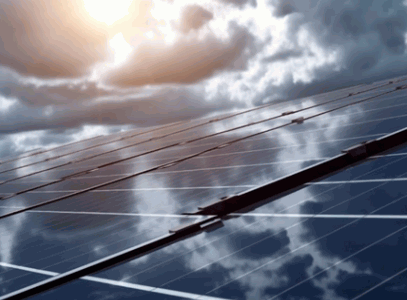
Can Solar Panels Work in Different Types of Cloud Cover?
Solar panels can indeed work in various types of cloud cover, although their efficiency and energy production will vary based on the thickness and density of the clouds. In cities like Seattle and Portland, these factors become particularly relevant for solar system planning.
Understanding how different cloud types affect solar energy systems is essential for optimizing energy collection. In Oregon, utilizing renewable energy sources effectively requires an understanding of how clouds can be categorized primarily into several types such as stratus, cumulus, and nimbus, each impacting solar panel function in unique ways:
- Stratus clouds tend to obscure the sun, often resulting in a significant reduction in energy output. These flat, gray clouds can block sunlight for extended periods.
- Cumulus clouds, with their fluffy appearance, allow for intermittent sunlight. As these clouds move, they can momentarily enhance energy production.
- Nimbus clouds, often associated with storms, can severely hinder solar panel efficiency, particularly during heavy precipitation.
These variations highlight the importance of cloud coverage assessment when planning solar energy systems, allowing users to maximize their return on investment while adapting to environmental conditions.
What Are the Best Practices for Using Solar Panels on Cloudy Days?
To maximize the benefits of solar panels on cloudy days, implementing best practices is essential; these include utilizing energy storage solutions like solar batteries, optimizing panel placement, and performing maintenance to ensure panels remain clean and functional.
Use a Backup Energy Source
Utilizing a backup energy source, such as the Tesla Powerwall, is a smart practice when relying on solar energy, especially during cloudy days when production may be insufficient for household needs, as it ensures a continuous power supply and enhances energy independence. Backup systems can not only safeguard against outages but also optimize the overall efficiency of solar installations, providing peace of mind for homeowners and businesses alike.
When considering backup energy sources, there are several viable options. Traditional grid power remains a common fallback, offering a reliable connection to the electrical infrastructure. However, for those seeking to support sustainability, Solar Alliance provides innovative solutions.
- Renewable energy options, such as wind or hydropower, can also serve as excellent backup systems. These sources are not only eco-friendly but can also significantly reduce reliance on fossil fuels.
- Battery storage systems, like those offered by Sunbox, have gained popularity, allowing solar energy to be harnessed during peak sunlight hours and used later when the sun goes down or during peak demand times.
By integrating these diverse backup sources with solar energy systems, individuals can enjoy increased resilience and efficiency in their energy consumption.
Optimize Panel Placement
Optimizing panel placement is crucial for enhancing the performance of solar panels, particularly in minimizing the impacts of cloudy weather on sunlight availability.
To achieve this, homeowners and solar system designers should consider multiple strategies that maximize solar exposure and efficiency, even when the sky isn’t clear. The orientation of the panels plays a significant role; generally, positioning them south-facing allows for the best sunlight capture. Adjusting the tilt angle to match the geographic location can optimize performance throughout the seasons.
- Consider using adjustable mounts that allow for seasonal changes, ensuring panels remain perpendicular to the sun’s rays.
- Implementing tracking systems can further enhance output, as these systems adjust the panel angle in real time to follow the sun’s path.
Incorporating higher-quality photovoltaic cells certified by the North American Board of Certified Energy Practitioners can significantly improve energy capture in diffuse light conditions, typical of overcast days. Regular maintenance is equally important, ensuring that dust and debris do not obstruct the solar arrays, thereby reducing efficiency and energy yield.
Keep Panels Clean and Maintained
Regular maintenance and cleanliness of solar panels can significantly impact their energy production, particularly during cloudy days when maximizing sunlight exposure is essential.
Neglecting this crucial aspect can lead to a noticeable drop in efficiency over time. Homeowners should recognize that dust, bird droppings, and debris can accumulate on the surface, blocking sunlight and diminishing solar energy efficiency. To maintain optimal performance, consider the following practical tips:
- Schedule routine inspections at least twice a year to assess the condition of the panels.
- Gently clean the panels with a soft cloth or sponge, using distilled water if necessary, to avoid mineral deposits.
- Engage professional services for a more thorough cleaning if required, especially for hard-to-reach areas.
By incorporating these simple practices, homeowners can ensure that their solar panels function efficiently, translating into greater energy savings and better overall performance.
Are There Any Alternative Options for Cloudy Days?
Along with traditional solar panels, there are alternative options available for energy generation on cloudy days, such as solar batteries for energy storage, solar thermal systems for heating, and wind turbines that can harness wind energy.
Solar Batteries
Solar batteries are an excellent solution for storing excess energy produced on sunny days, allowing homeowners to draw upon this stored energy during cloudy days when solar panels may generate less electricity, thereby creating a more reliable energy system that can adapt to varying weather conditions and consumption patterns.
Along with providing backup power, these batteries play a crucial role in achieving energy independence. They work by capturing the surplus electricity generated by solar panels and converting it into usable stored energy, which can be utilized during peak usage times or when sunlight is minimal.
The benefits of integrating solar batteries include:
- Reduction in dependency on the grid, especially in remote areas.
- Cost savings over time by minimizing electricity bills.
- Enhanced resilience during power outages.
- Promotion of environmentally friendly energy consumption.
For residents in regions like Seattle and Portland with inconsistent sunlight, adopting solar batteries can significantly enhance the practicality and efficiency of solar energy use, allowing for a sustainable and self-sufficient lifestyle.
Solar Thermal Systems
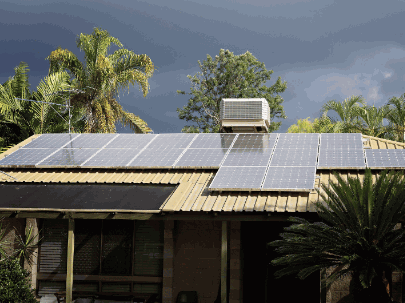
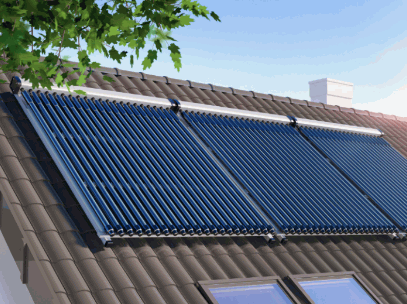
Solar thermal systems, much like traditional solar panels, can serve as a complementary energy source on cloudy days, efficiently capturing sunlight for heating water or spaces, even in less efficient conditions.
These systems operate by utilizing specially designed collectors that absorb sunlight, converting it into heat. This thermal energy is then transferred to a fluid, often water or a glycol solution, which circulates between the collector and the storage tank. Solar thermal technology boasts several advantages, including lower energy costs and reduced carbon emissions compared to conventional heating methods.
- One of the key benefits is their reliability; even on overcast days, they can still generate heat, although at a reduced capacity.
- This capability allows households and businesses to maintain efficient heating without relying solely on fossil fuels.
- They can work in tandem with traditional systems, creating a hybrid approach that maximizes energy savings.
In addition, integrating these systems into existing infrastructure can lead to significant long-term savings, making them an attractive option for environmentally conscious consumers.
Wind Turbines
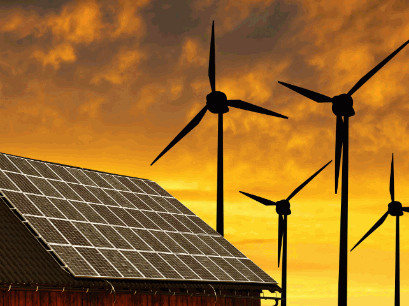
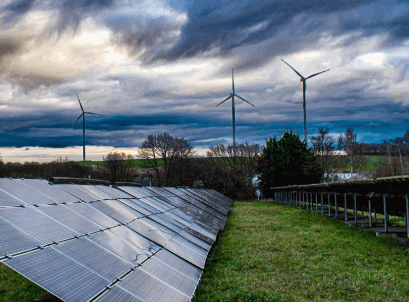
Wind turbines represent another alternative energy source that can generate electricity during cloudy weather, taking advantage of wind resources that often remain unaffected by cloud cover. This innovative technology converts kinetic energy from the wind into electrical power, offering a reliable method to supplement energy needs, especially when solar power systems may struggle to perform optimally. The importance of wind energy is emphasized when considering locations where sunlight is intermittent due to seasonal variations or weather changes. In these situations, combining wind and solar solutions can enhance overall energy production, leading to increased sustainability and energy independence.
This synergy between wind turbines and solar power systems ensures a more consistent energy supply, even in less-than-ideal weather conditions. While solar panels rely heavily on sunlight, wind turbines continue to produce energy regardless of solar availability.
- Efficiency: Utilizing both systems helps stabilize energy production.
- Versatility: Wind turbines can be installed in various environments, making them a flexible solution.
- Cost-effectiveness: The initial investment can lead to long-term savings on energy bills.
The integration of these renewable energy sources can significantly reduce carbon footprints, aiding communities in their goal to promote greener practices. Recent studies, such as those published on January 23, 2023, highlight the importance of such integrations. When developed thoughtfully, these systems can not only support local energy demands but also contribute to a more resilient and sustainable energy grid overall.