
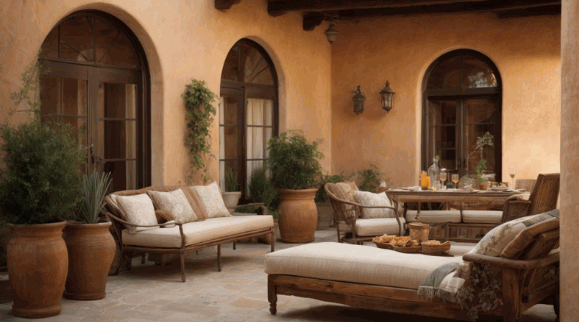
Venetian plaster – known for its luxurious finish & smooth texture – is often used indoors. Can it be used outdoors? Let’s explore the possibilities!
When it comes to outdoor use, there are a few factors to consider.
- Venetian plaster is made of lime-based materials. These materials are sensitive to moisture & weather conditions. Rain, snow & extreme heat can affect the plaster’s longevity & look.
However, new versions of Venetian plaster have been developed. These versions contain additives that increase durability & resistance to harsh weather. With proper application & protective coatings, these plasters can withstand outdoor environments.
Historically, Venetian plaster wasn’t used outdoors. It was mainly used inside Renaissance Venetian architecture to create a luxurious marble look.
Now, with improved manufacturing processes, modified Venetian plasters have been created for outdoor applications. These plasters offer increased resistance to fading, cracking & other weather-related damage.
What is Venetian plaster?
Venetian plaster is a glossy, decorative wall finish that originated in Venice during the Renaissance. It is usually made of marble dust mixed with lime or acrylic. It gives a luxurious, textured look, similar to marble.
This plaster has become popular due to its special characteristics. It can be applied on various surfaces, such as drywall, wood, or concrete. The application process involves multiple layers, each one polished for a smooth and shiny finish. This method creates depth and texture, giving an elegant appearance.
One of Venetian plaster’s best features is its durability. When correctly applied and taken care of, it withstands all types of weather. It is also resistant to cracks and moisture, making it suitable for indoors and outdoors. However, for outdoor use, the right application techniques and sealants must be used to protect against UV rays and rain.
Pro Tip: Seek advice from an experienced professional before applying Venetian plaster outdoors. They can help you choose the right techniques and products to achieve long-lasting results and enhance your outdoor spaces.
Learn more: How To Plaster DIY

Benefits of using Venetian plaster outdoors
Venetian plaster is not only good indoors, but also outdoors! It has enhanced durability, waterproofing, natural aesthetics and is eco-friendly. Plus, it looks beautiful!
It has a long history – originating in Venice during the Renaissance period. The aim was to replicate the expensive marble look.
Today it’s used worldwide, both inside and out. To make sure it lasts, proper application and maintenance are key.
Preparing the surface for Venetian plaster application
To prepare the surface for Venetian plaster application, clean and repair the surface, apply a base coat, and create a textured surface. These sub-sections offer effective solutions to ensure a smooth and durable surface, allowing you to achieve the desired aesthetic appeal and longevity for your outdoor Venetian plaster project.
Cleaning and repairing the surface
Clean and repair the surface with these 4 steps:
- Check the condition: Carefully look at the wall or substrate for any cracks, holes, or lumps that need attention.
- Clean it: Remove dirt or debris with a brush or vacuum. Use a mild detergent and scrub stubborn stains with a sponge or cloth. Thoroughly rinse and dry.
- Repair: Patch up cracks or holes with a patching compound. Let it dry and sand down.
- Prime: Apply a primer specifically designed for plaster application. An even coat with a roller or brush is key. Let it dry.
Remember to ventilate during the process to avoid moisture build-up.
Follow these steps to ensure a successful Venetian plaster application and a flawless finish.

Applying a base coat
Clean the surface! Start by washing the area with a mild detergent and warm water solution. Make sure it’s dry before continuing.
Next, add a high-quality primer suitable for Venetian plaster. Use a paintbrush or roller to evenly coat the surface. This will give the plaster a great base and help it stick.
Once the primer is dry, lightly sand it to have a smooth and even texture. Don’t over-sand or take away too much primer.
Lastly, seal any porous surfaces with a sealer or conditioner recommended for Venetian plaster. This will guarantee the plaster sticks and won’t absorb too much into the substrate.
Achieving a beautiful finish with Venetian plaster depends on the base coat. To get an even thickness, spread and smooth out the primer carefully.
Did you know Venetian plaster originated in ancient Rome? It became popular during the Renaissance in Venice, Italy. Artisans were highly sought after to create gorgeous decorative finishes with this technique. It symbolized elegance and luxury in architectural design.
Now you know how to apply a base coat for Venetian plaster, and some fascinating history. You’re ready to create a beautiful and long-lasting finish!
Creating a textured surface
To make living room walls look sophisticated with Venetian plaster.
First, clean the surface with soap and water. Next, apply a primer for better adhesion. Then, use a trowel to create textures like swirls and stucco patterns. To make it extra special, use texture rollers and sponges for unique effects.
Applying the Venetian plaster
To achieve a flawless application of Venetian plaster outdoors, follow these steps: Start by mixing the plaster thoroughly. Then, apply the first coat evenly, ensuring a smooth surface. Finally, apply subsequent coats to build up the desired texture and depth. These sub-sections will guide you through the process for a successful Venetian plaster application outdoors.
Mixing the plaster
For a perfect Venetian plaster finish, the secret is in getting the mixture right. Follow these simple steps for an even and balanced mix that will make your walls look classy and stylish:
- Gather the materials: lime putty, marble dust, a bucket, a drill with a mixing paddle, and water.
- Measure out the lime putty as per the manufacturer’s instructions. Put it in the bucket.
- Add the marble dust in small amounts while stirring slowly with the drill. Keep adding until you reach a thick, creamy texture.
- Add small amounts of water bit by bit while stirring, until you get a spreadable consistency. Don’t add too much water – it weakens the plaster’s toughness.
- Let the mixture rest for 15 minutes before stirring it one last time. This break allows for proper hydration and a strong bond between the components.
- Your plaster is all set! Spread a thin coat evenly on the surface with a trowel or spatula. Let it dry before you apply more layers.
Also note: Different brands or types of lime putty may need different ratios or special treatment. Always refer to manufacturer instructions for best results.
Pro Tip: To create unique textures, try adding crushed glass or metallic powders. Used sparingly and strategically, these additions can make your Venetian plaster stand out from the ordinary.

Applying the first coat
For a stunning textured wall surface, follow these steps:
- Clean and repair any wall imperfections. Ensure it’s smooth and dry.
- Spread a thin layer of base coat with a trowel. Work in small sections and apply light pressure.
- Begin at one corner and apply the plaster in sweeping motions. Use long, fluid strokes to get a seamless finish.
- Sandpaper or burnish the surface when it’s dry. This will make it more durable and bring out its shine.
Plus, keep these tips in mind:
- Precisely follow instructions when mixing the plaster.
- Allow each coat to dry completely before continuing.
- Examine the work in different lighting conditions. Shadows can show imperfections.
By following these steps and tips, you can apply Venetian plaster like a pro!
Applying subsequent coats
- Remember to prepare the surface: make sure the coat before is completely dry. Sand and clean it to remove dust and debris.
- Use a trowel to spread the Venetian plaster evenly. Start from a corner and move in overlapping strokes. Keep the thickness consistent.
- Still wet? Use troweling, swirling, or sponging to create textures and patterns. Play around with different tools for unique effects. Allow the coat to dry completely before continuing.
- Ventilate during application and let it dry between coats. Each layer adds color, depth, and richness.
- You’re ready now! Don’t miss out on creating a stunning and luxurious finish that will bring timeless charm and elegance to any space. Unleash your creativity and get started today!
Curing and sealing the plaster
To achieve a successful curing and sealing process for Venetian plaster outdoors, follow these steps: allowing the plaster to dry completely, and then applying a sealer. This careful approach ensures the durability and longevity of the plaster, protecting it from weather conditions and preserving its beauty.
Allowing the plaster to dry
Allow plaster to dry for a smooth, durable finish. Follow these steps to ensure the best results:
- Wait at least 24 hours before moving on.
- Prevent moisture from coming into contact with plaster. Keep windows closed, check for leaks and control humidity.
- Monitor temperature – 60-80°F (15-27°C) is ideal.
- Read manufacturer instructions for other details.
Patience is key! Allow nature to work its magic. Then you’ll get a perfect finish that’ll last. So trust the process and savor the satisfaction!

Applying a sealer
To seal plaster, follow these 4 simple steps:
- Prep: Make sure the surface is clean. Use a brush or vacuum to remove loose particles.
- Pick the right sealer: Acrylic, epoxy, and water-based sealers are available. Consider sheen, durability, and compatibility with the plaster before choosing.
- Application: Put some sealer in a tray or bucket. Use a roller or brush to spread it on the plaster. Do thin layers, one section at a time.
- Drying and curing: Let the first coat dry per the manufacturer’s instructions. Add extra layers if needed. Let each layer cure before applying another.
Note: Some sealers need specific curing conditions for optimal results. Check the manufacturer’s guidelines for drying and curing times.
Sealing plaster has changed over time. In ancient times, beeswax was used to protect it from damage. Now, synthetic sealers offer improved protection and longevity.
Sealing plaster is not just about protection. Tinted sealers can be used to add color and depth to the surface, creating unique effects.
Maintaining Venetian plaster outdoors
To maintain Venetian plaster outdoors, address common issues with the surface. Clean the surface regularly and repair any damages promptly. These sub-sections offer solutions for ensuring the longevity and beauty of your Venetian plaster in an outdoor setting.
Cleaning the surface
- To clean your Venetian plaster outdoors, start by preparing the area. Move any furniture or objects that could get damaged.
- Lightly brush away any dirt with a soft bristle brush. Don’t scrub too hard!
- Fill a bucket with warm, soapy water – mild detergent is best.
- Use a cloth or sponge to wipe down the plaster in circular motions.
- Rinse the cloth or sponge in clean water and keep wiping until the whole surface is clean.
- Dry with a clean towel.
Also, be gentle and avoid abrasive cleaners that can damage the plaster’s texture and appearance. To maintain the plaster, try not to expose it to extreme weather. Use a protective sealant every few years to stop moisture from getting in. Inspect regularly for signs of damage or wear and fix promptly.
Repairing any damages
Outdoor Venetian plaster can easily become damaged by weather and other external factors. To keep it looking its best, address any damages immediately. Follow these steps for a successful repair:
- Check the damaged area. Look for cracks, chips, or any other imperfections.
- Clean the area with a soft brush or cloth.
- Mix the Venetian plaster with water or a bonding agent according to instructions.
- Apply the mixture to the damaged area using a putty knife or trowel. Blend with the surrounding plaster.
- Use sandpaper or a sanding block to smooth rough edges. Clean away dust residue.
For extra protection, use an outdoor sealant or varnish designed for Venetian plaster. Also, remember to inspect regularly and repair promptly to keep your outdoor Venetian plaster in pristine condition for years!

Conclusion
Venetian plaster’s ability to endure outdoors?
Consider its durability and how it works with the elements. Primarily used indoors, it is not formulated for direct moisture contact and harsh weather. While there are sealants that say it can be used outside, their effectiveness may vary. Consultation with a professional is recommended first.
When using Venetian plaster outdoors, grasp the potential risks and limits. Rain, UV rays, and temperature changes may cause deterioration- cracking, flaking, and discoloration. Outdoor surfaces often need more maintenance and protective coatings.
Some homeowners have successfully used Venetian plaster in covered outdoor areas, but caution is important. Evaluate environmental conditions and understand the product’s capabilities before deciding.
Venetian plaster provides unique aesthetics indoors, but its suitability for outdoors is questionable. Check with experts for guidance tailored to your circumstances.