Painting a roof may not initially come to mind when contemplating home improvements; however, it serves several purposes beyond mere aesthetics. It can also be an affordable method to protect roof shingles and enhance the overall home appearance. Whether the objective is to enhance the home’s curb appeal, provide protection against the elements, improve energy efficiency, or achieve a new look with a cool roof color, roof painting presents a viable option. This article will examine the various types of paint available, outline the essential steps to undertake, discuss necessary safety precautions, including the use of safety equipment, and evaluate whether to undertake this DIY project independently or engage a professional. Explore how a simple application of paint can significantly transform both the roof and the overall appearance of your home, whether it includes asphalt shingles or other roofing materials.
Can You Paint A Roof?
It is indeed possible to paint a roof, and undertaking this DIY project can provide a fresh visual update to the home while simultaneously enhancing protection for the roof shingles.
However, it is crucial to take into account various factors, including the type of roofing material, the existing condition of the roof, and the selection of appropriate high-quality paint, such as acrylic latex paint from Home Depot or Sherwin Williams, to ensure durable results.
A comprehensive roof inspection is advisable to identify any damage or paint deterioration that may necessitate roof repairs prior to initiating the painting process, thereby preserving the roof’s longevity and aesthetic appeal.
Why Would Someone Want to Paint Their Roof?
Homeowners have several compelling reasons for choosing to paint their roofs. These reasons include the desire to enhance the aesthetic appeal of the roof, protect against UV radiation and algae growth, and improve energy efficiency.
Additionally, a painted roof can function as a protective layer, preventing moisture escape and extending the roof’s longevity, while also providing a visual update that refreshes the overall appearance of the home, similar to adding a fresh coat of paint to an outdoor pavilion.
Check out: How To Safely Work On A Roof
To Improve Aesthetic Appeal
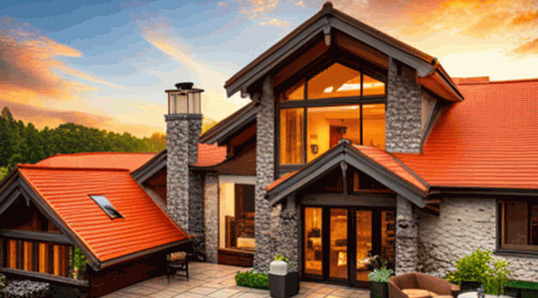
One of the primary motivations for homeowners to repaint their roofs is to enhance the aesthetic appeal, effectively transforming the appearance of the residence with a fresh coat of paint that may incorporate multi-colored shingles for added character.
A well-painted roof can significantly elevate a home’s curb appeal, allowing it to stand out within the neighborhood while reflecting the owner’s personality. This enhancement not only contributes to the overall charm of the property but also plays a critical role in establishing cohesion with other exterior design elements.
By selecting appropriate colors and finishes, homeowners can achieve a harmonious appearance that integrates seamlessly with the siding, landscaping, and architectural features. For example, coordinating shades between the roof and walls can yield the following benefits:
- Visual harmony: A uniform appearance enhances the architectural integrity of the property.
- Increased property value: Attractive roofing can attract potential buyers.
- Reflection of personal style: Homeowners are afforded the opportunity to express their unique taste through color selection.
Prioritizing roof aesthetics is a strategic decision that complements the overall appearance of the home, ensuring it conveys an inviting and polished atmosphere.
To Protect the Roof from Damage
Painting a roof serves as a vital protective measure against potential damage by providing a barrier against harmful UV radiation, moisture loss, and algae growth, all of which can contribute to premature deterioration.
This protective layer is instrumental in enhancing the durability of roofing materials and reducing the frequency of repairs and replacements. The application of roof coatings creates a chemical barrier that deflects damaging sunlight, which is known to cause thermal stress and lead to cracking. Many contemporary paints possess reflective properties that help maintain lower temperatures within the building, thereby improving energy efficiency.
- Effective Moisture Barrier: The paint effectively prevents water penetration, which can lead to the development of mold and mildew.
- Algae Resistance: Specialized formulations are designed to deter algae growth, thus ensuring the roof remains clean and aesthetically pleasing.
Regular maintenance through painting not only mitigates environmental hazards but also enhances the visual appeal of a home. Proper application of these coatings can significantly extend the lifespan of roofing systems, ensuring they remain resilient against the elements for many years.
To Increase Energy Efficiency
Increasing energy efficiency represents a significant advantage of painting a roof, as certain reflective colors can decrease heat absorption and minimize energy consumption for cooling systems within the home, ultimately enhancing the longevity of the roof. Selecting the appropriate color can lead to substantial savings on energy bills while simultaneously improving the overall aesthetic appeal of the residence.
Research has demonstrated that lighter shades, such as white or light gray, effectively reflect solar radiation more than darker colors. A study conducted by the U.S. Department of Energy indicates that roofs painted in reflective colors can reduce cooling energy use by up to 15%. This enhancement not only contributes to energy savings but also significantly improves indoor comfort levels.
- Homes equipped with reflective roofs tend to maintain more stable indoor temperatures.
- By opting for these energy-efficient colors, homeowners may potentially extend the lifespan of their roofing materials and benefit from a shingle warranty.
Such decisions not only promote sustainability but also have a positive impact on the environment, making them an excellent consideration for any homeowner seeking to reduce their carbon footprint.
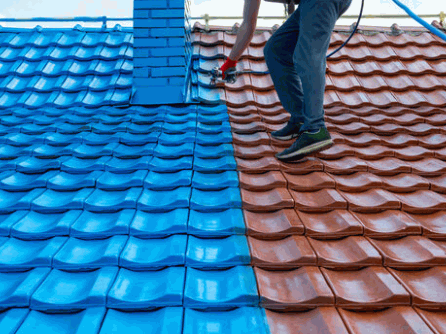
What Are the Different Types of Roof Paint?
A variety of roof paint types are available, each specifically formulated for distinct roofing materials and conditions. These include:
- Acrylic roof paint
- Elastomeric roof paint
- Bituminous roof paint
Each type presents unique benefits and applications, tailored to achieve the desired outcome based on the specific roof type.
Acrylic Roof Paint
Acrylic roof paint is a widely preferred option for homeowners, owing to its exceptional durability, resistance to UV damage, and its capacity to enhance the aesthetics of roofs while simultaneously improving energy efficiency. It is especially effective when used with a primer coat and a Multi-Surface Exterior Primer for priming shingles.
This versatile coating is suitable for various roofing materials, including metal, tile, and concrete. Homeowners value its straightforward application process, which generally involves a simple one-coat application for most surfaces, making it convenient for individuals interested in undertaking DIY projects.
One of the primary advantages of utilizing acrylic roof paint is its ability to reflect sunlight, which can significantly decrease cooling costs during the hot summer months. This paint also possesses excellent adhesion properties and is resistant to peeling, thereby providing long-lasting protection against harsh environmental conditions.
By selecting this roof treatment, property owners not only enhance the appearance of their homes but also contribute to sustainability efforts while reducing their overall energy expenses. Ultimately, the combination of aesthetic appeal and functionality positions acrylic roof paint as a prudent investment for homeowners seeking enduring value.
Key features include:
- High durability
- UV protection
- Improved thermal efficiency
- Easy application
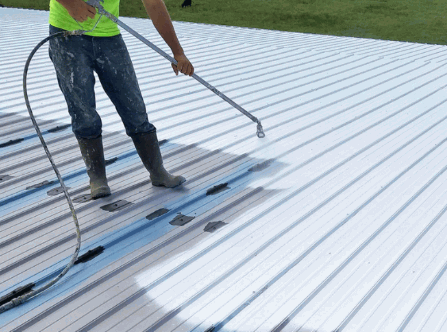
Elastomeric Roof Paint
Elastomeric roof paint provides exceptional flexibility and durability, making it an ideal option for roofs subjected to significant temperature fluctuations. This product effectively manages moisture and extends the lifespan of the roof.
This outstanding roofing solution adapts to the thermal expansion and contraction typical in climates that experience extreme heat and cold, thereby maintaining a consistent protective barrier.
Moisture management is another critical factor that enhances the longevity of the roof, as it prevents the accumulation of water that may lead to leaks and subsequent structural damage. Furthermore, its seamless application minimizes the likelihood of cracks, ensuring comprehensive coverage.
Key benefits of elastomeric roof paint include:
- Enhanced waterproofing capabilities that effectively block leaks and seepage.
- UV resistance, which protects underlying materials from sun damage.
- Energy efficiency advancements that contribute to reduced cooling costs during warmer months.
- Environmentally friendly properties are often characterized by low volatile organic compound (VOC) content.
Utilizing elastomeric roof paint not only protects properties but also signifies a substantial investment in building durability.
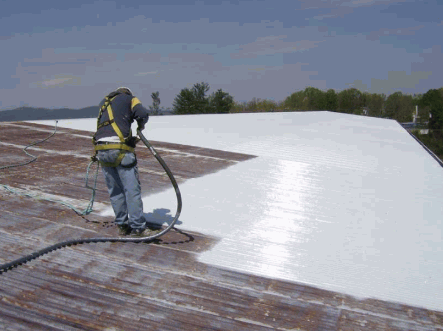
Bituminous Roof Paint
Bituminous roof paint is primarily utilized for asphalt roofing, providing exceptional waterproofing capabilities. This product serves as a protective coating that effectively prevents leaks and extends the lifespan of the roof.
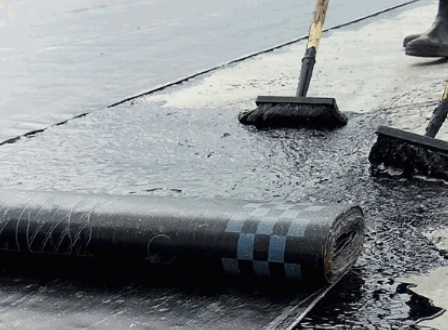
The formulation of this type of paint incorporates a blend of bitumen, a thick and adhesive substance derived from petroleum, recognized for its durability and resistance to environmental factors such as sun exposure and UV damage. When applied correctly, this coating forms a seamless layer that safeguards roofs against moisture, ultraviolet rays, and various other environmental influences. The application process consists of several critical steps:
- Preparation of the roof surface to ensure it is clean and dry.
- Priming the surface to enhance adhesion.
- Careful application of the bituminous roof paint using rollers or brushes to achieve an even finish.
The inherent flexibility of this paint allows it to contract and expand in response to temperature fluctuations, thereby minimizing the risk of cracking. As a result, this product not only offers protection but also significantly enhances the longevity and efficiency of asphalt roofs.
Key benefits of bituminous roof paint include:
- Excellent adhesion properties.
- Long-lasting protection against UV exposure.
- Cost-effective solution for roof maintenance.
What Are the Steps for Painting a Roof?
Painting a roof entails a systematic process that commences with a comprehensive cleaning and inspection of the roof to identify any required repairs. This process ensures that any roof damage is addressed early on. This is followed by the application of a primer coat, and ultimately, the paint is applied using an appropriate method, such as a paint sprayer, to ensure optimal results in this DIY project.
Clean the Roof
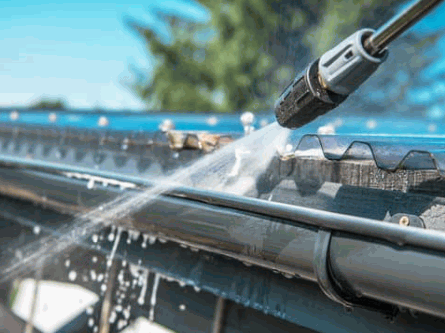
The initial step in painting a roof involves conducting a comprehensive cleaning process, which may entail the use of a power washer to eliminate dirt, debris, and any algae growth that could adversely affect paint adhesion and overall roof maintenance. For those who prefer expert intervention, hiring a professional roof washer can ensure thorough cleaning and preparation.
Regular maintenance is essential for ensuring that the roof remains in optimal condition and for extending the lifespan of the paint application. This includes regular roof cleaning and checking roof draining systems. Ahead of applying any roof coatings, it is imperative to thoroughly assess the surface, checking for discoloration or signs of mold that may compromise the integrity of the paint.
- Power washers are frequently the preferred tool for this task, as they effectively remove persistent contaminants.
- Utilizing a non-toxic cleaning solution, such as Bleach, can aid in eliminating algae and moss, which are common contributors to roof deterioration.
- A soft-bristle brush may also prove beneficial for sensitive materials that necessitate a gentler cleaning approach.
By ensuring that the surface is impeccably clean, homeowners can significantly enhance the likelihood of long-lasting paint adhesion and reduce the frequency of required maintenance in the future. This proactive strategy not only saves time and costs over the long term but also improves the aesthetic appeal of the property, thereby contributing to its overall value.
Repair Any Damages
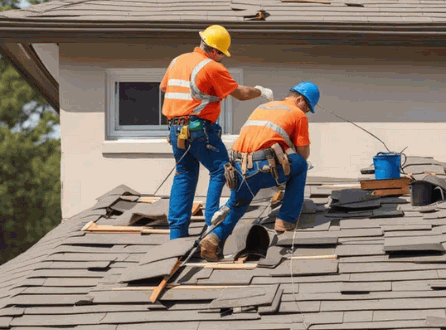
After cleaning, it is imperative to conduct a comprehensive roof inspection and address any identified damages, such as peeling paint, as this step is essential for ensuring that the roof is adequately prepared for painting and for maintaining the integrity of the shingle warranty.
Failing to perform this critical assessment may result in significant issues in the future, such as leaks, mold growth, or the necessity for complete roof replacement. Regular checks can also ensure that shingle replacement is done proactively instead of waiting for severe damage.
Common concerns include:
- Missing shingles can expose the underlying layers to moisture.
- Cracked flashing, can compromise the seals around vents and chimneys.
- Punctures or holes from fallen branches or debris may allow water to infiltrate.
To resolve these issues, homeowners should consider engaging professional services for repairs, such as replacing damaged shingles or applying sealants. Regular inspections not only enhance overall roof maintenance but also play a crucial role in compliance with warranty requirements. Timely identification of issues is essential to ensure that warranties remain valid and that potential damages are addressed before they escalate.
Prime the Roof
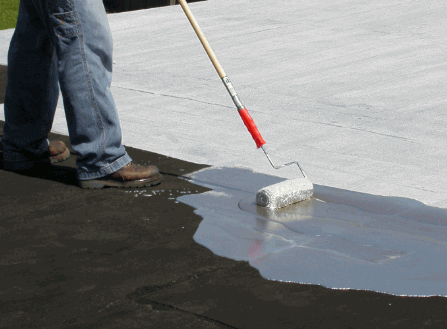
Priming the roof is an essential step that involves applying a primer coat to the shingles. This process enhances paint adhesion and facilitates a smoother application of the final paint layer. By dedicating time to this preparatory phase, homeowners can significantly improve the longevity and durability of their roofing projects, while also achieving a visually appealing finish that endures over time.
This process serves to preserve the integrity of the roofing material and acts as a barrier against moisture and environmental stressors. Primers create a uniform surface that enables better adhesion of subsequent paint layers, thereby reducing the risk of peeling and flaking over time.
When selecting a primer, it is important to consider the type of shingles on the roof and the desired shingle color outcome:
- Oil-based primers: These are ideal for wood or asphalt shingles, offering strong adhesion and moisture resistance.
- Latex primers: Water-based options that are suitable for various materials, providing flexibility and ease of cleanup.
- Shellac primers: Best utilized for challenging stains, these primers seal surfaces and provide a solid base for paints.
For versatile projects, a Multi-Surface Exterior Primer from stores like Home Depot or Sherwin-Williams may be considered to ensure better adhesion and longevity.
Incorporating the appropriate type of primer not only maximizes paint performance but also extends the life of the roofing system by protecting it from the elements.
Apply the Paint
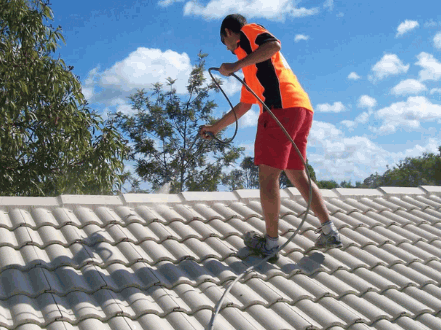
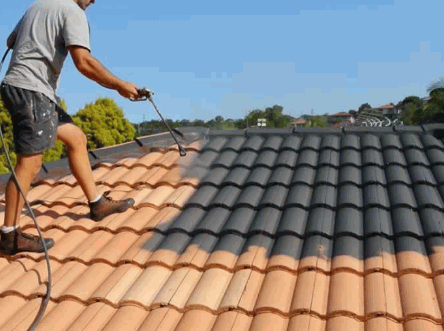
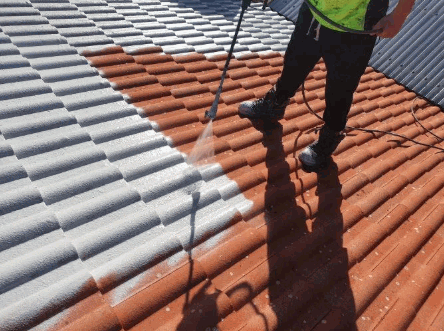
The final step entails the application of paint using an appropriate method, such as a paint sprayer, while adhering to established safety precautions. This approach ensures a uniform finish that enhances the aesthetic appeal of the roof. Such DIY projects can lead to improved roof upkeep and extended roof lifespan.
Successfully completing the painting process necessitates careful consideration of both technique and safety. When employing a paint sprayer, it is crucial to select a high-quality device that facilitates optimal application. Begin by preparing the workspace and gathering all necessary materials, including drop cloths to protect surrounding areas. To ensure consistent coverage, maintain a steady distance of approximately 12 to 18 inches between the sprayer nozzle and the roof surface. Utilize overlapping strokes to prevent uneven patches, and maintain a consistent spray angle throughout the application process.
Safety Precautions: Always wear protective gear, including a mask, goggles, and gloves, to safeguard against fumes and overspray.
Weather Conditions: The ideal conditions for painting are dry days with low humidity, which promotes faster drying.
Time Management: Work in sections and allow sufficient time for each layer to dry before applying additional coats.
By adhering to these guidelines, individuals can achieve a professional-looking finish while ensuring safety and efficiency throughout the roof painting process.
What Are the Safety Precautions to Take When Painting a Roof?
When undertaking the task of painting a roof, it is essential to prioritize safety precautions. This includes the proper use of protective gear, employing a sturdy ladder, and avoiding extreme weather conditions to ensure a safe and successful painting process.
Wear Protective Gear
Wearing appropriate protective gear is essential when engaging in roof painting, as it mitigates potential hazards associated with the application process and ensures overall safety throughout the project.
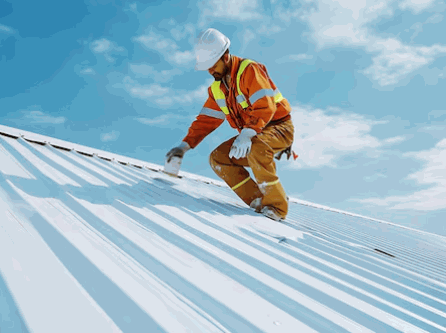
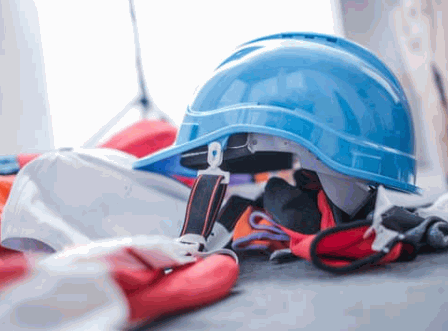
The significance of this protective equipment cannot be overstated, particularly given the various risks involved in such work. Adequate protective gear, including helmets, is vital for shielding against falling objects that may unexpectedly drop from heights, while harnesses are crucial for fall prevention, enabling workers to navigate sloped surfaces safely.
Safety goggles are essential, as they protect the eyes from paint splashes and harmful chemicals that may be present in certain products.
- Helmets: Essential for head protection.
- Harnesses: Key for fall prevention.
- Safety goggles: Necessary for eye protection.
Engaging in roof painting without these precautions not only compromises personal safety but can also result in significant injuries. Therefore, investing in high-quality safety equipment should be a top priority for anyone preparing for such a project.
Use a Sturdy Ladder
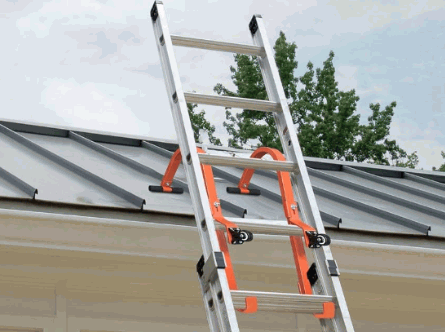
Utilizing a sturdy ladder is essential when painting a roof, as it ensures safe access to elevated surfaces and minimizes the risk of falls during the painting process. Ensuring a sturdy ladder setup also helps in efficient roof upkeep.
When selecting a ladder for roofing projects, it is imperative to prioritize stability and durability to guarantee safety. One should choose a ladder that is rated for the maximum weight load and specifically designed for such tasks.
For optimal stability, the ladder should always be placed on firm, level ground and never on unstable or slippery surfaces. Additionally, it is advisable to adhere to the 4-to-1 rule: for every four feet of height, the base of the ladder should be positioned one foot away from the wall. This angle is crucial for maintaining the ladder’s balance and reducing the risk of tipping over.
- Ensure that the ladder extends three feet above the edge of the roof for added support.
- Always have a spotter present to stabilize the ladder while work is underway.
- Regularly inspect the ladder for any signs of damage, such as cracks or bending, prior to use.
By following these recommendations regarding ladder safety and positioning, individuals can prevent potential accidents and facilitate a more efficient roofing project, which is crucial when undertaking a paint roof DIY project.
Avoid Painting in Extreme Weather Conditions
Avoiding painting in extreme weather conditions is essential, as adverse weather can compromise the application process, resulting in paint deterioration, UV damage, and heightened safety risks during the project.
When considering roof painting, it is important to evaluate the effects of temperature and humidity on both the materials utilized and the individuals performing the work. Ideal conditions for painting typically involve temperatures between 50°F and 85°F (10°C to 29°C), with humidity levels remaining below 70%.
- Rain can dilute the paint, leading to uneven application.
- Extreme heat can cause the paint to dry too quickly, negatively affecting adhesion.
- Cold weather can slow the curing process.
Furthermore, maintaining safety during the project necessitates checking for slippery surfaces and ensuring proper ventilation when using solvent-based products. By adhering to these guidelines, risks can be minimized, facilitating a successful and durable roof painting experience.
How Long Does Roof Paint Last?
The longevity of roof paint can vary considerably based on several factors, including the type of paint utilized, environmental exposure, and the quality of the application process. Proper maintenance is essential to prevent paint deterioration resulting from UV damage.
Understanding the anticipated lifespan of various roof paints offers valuable insight for both homeowners and contractors. Generally, premium-quality acrylic paints can last between 10 to 20 years, while lower-cost options may only endure for 5 to 10 years. The roof’s longevity is significantly affected by factors such as UV radiation exposure and maintenance.
Key elements that influence durability include:
- Environmental Factors: Regions characterized by intense sunlight or severe weather conditions can significantly impact the lifespan of roof paint.
- Application Technique: Adequate surface preparation and precise application can greatly enhance the paint’s adhesion and longevity.
- Regular Inspections: Conducting periodic assessments for cracks or peeling allows for timely intervention.
Implementing maintenance practices, such as removing debris and reapplying protective coatings, can extend the life of roof paint, ensuring that roofs remain both aesthetically pleasing and functionally sound for many years.
Can You Paint a Roof Yourself or Should You Hire a Professional?
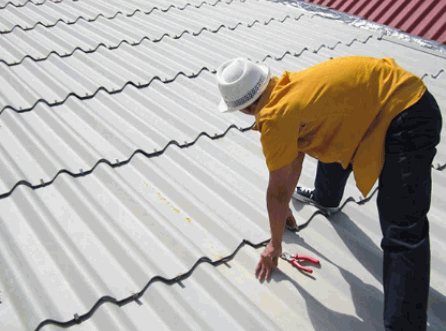
Determining whether to undertake the painting of a roof as a DIY project or to engage a professional roof-washing service involves several considerations. These include one’s budget, level of experience, the complexity of the roof’s condition, and the necessary safety precautions that must be taken to ensure a successful outcome.
Pros of DIY Roof Painting
One of the primary advantages of undertaking DIY roof painting is the cost-effectiveness it provides. Homeowners can save on labor expenses while also experiencing a sense of personal satisfaction and achievement from personally maintaining their roofs.
By managing this project independently, individuals can not only realize substantial savings but also derive a significant sense of accomplishment. Many homeowners find that actively participating in the maintenance of their property fosters a stronger connection to it. This hands-on approach also offers the flexibility to select the timing and pace of the work, which can be particularly advantageous when balancing various responsibilities.
Additionally, when choosing materials and colors, homeowners have the opportunity to customize the roof’s appearance to align with their personal style, thereby enhancing both curb appeal and property value.
- Cost savings: Minimizing expenses by avoiding contractor fees and leveraging cost-effective solutions like Bleach and Multi-Surface Exterior Primer for preparation.
- Personal satisfaction: Enjoying the fulfillment of completing a project independently.
- Flexibility: Working at one’s own convenience and pace.
Ultimately, engaging in DIY roof painting underscores the importance of home maintenance while celebrating creativity and self-reliance.
Cons of DIY Roof Painting
Despite the advantages, there are significant drawbacks associated with DIY roof painting, including potential safety hazards, the necessity for appropriate safety precautions, and the requirement for expertise in conducting comprehensive roof inspections prior to commencement.
Engaging in this type of home improvement task may appear straightforward initially; however, the reality can be considerably more complex. Homeowners frequently underestimate the intricacies involved, which may lead to various challenges. For example, a lack of experience can result in improper application techniques, causing uneven surfaces or premature peeling.
Safety concerns also emerge, as working at heights without suitable equipment can pose serious risks. Furthermore, an inability to accurately assess a roof’s condition may allow critical issues to remain unaddressed, potentially resulting in:
- Water damage
- Structural problems
- Expensive repairs
These consequences are often not anticipated by those who opt for a DIY approach. Therefore, it is crucial for individuals contemplating this course of action to carefully evaluate these risks in relation to any potential cost savings.
Pros of Hiring a Professional
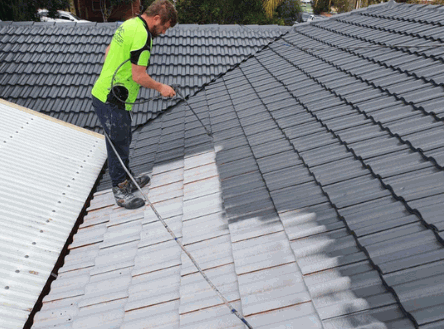
Hiring a professional roof washer offers numerous advantages, including expert application, adherence to safety protocols, and comprehensive roof inspection. This ensures a high-quality finish and provides peace of mind for homeowners.
Engaging the services of trained professionals not only guarantees a meticulous approach to roof painting but also allows homeowners to benefit from their extensive experience with various roofing materials, including asphalt and others available at Home Depot or Sherwin-Williams.
- Professionals utilize industry-standard tools and materials, significantly enhancing the longevity and aesthetic appeal of the roof.
- They possess the skills necessary to identify potential issues, such as mold or underlying damage, which can be addressed promptly to avert costly repairs in the future.
- Employing professional roof painting services ensures compliance with safety regulations, thereby minimizing the risk of accidents during the application process.
Ultimately, investing in expert services results in a safer, more efficient, and superior-quality roofing project.
Cons of Hiring a Professional
One of the primary drawbacks of engaging a professional for roof painting is the associated cost, which can strain budgets and potentially lead to scheduling conflicts due to the high demand for such services. Considering the various expenses involved, it is imperative for homeowners to carefully evaluate their options before proceeding.
The expenses are typically not confined to labor costs alone; they may also encompass the cost of high-quality materials, equipment rentals, and additional fees for travel, particularly if the service provider needs to travel from a considerable distance.
Securing a time slot can present logistical challenges. Many reputable professionals may have their schedules booked weeks in advance, resulting in delays that could extend project timelines and disrupt the homeowners’ overall plans.
- Costly materials and supplies
- Travel and transportation fees
- Potential additional charges for unforeseen issues
Understanding these factors can assist homeowners in managing their expectations and developing a more realistic assessment of the overall budget and time commitments required when seeking professional assistance, as advised by experts.