
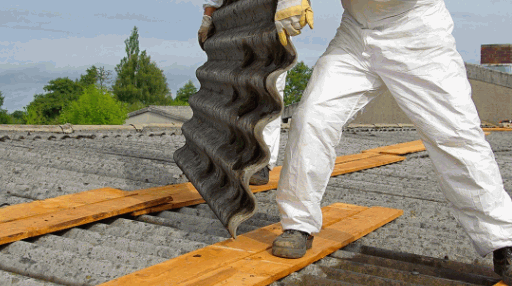
Asbestos, a fibrous mineral once commonly used in construction, poses serious health risks when exposed.
If you suspect your roof contains asbestos, it’s crucial to identify and address it properly.
We will explore the dangers of asbestos exposure, how to identify asbestos in a roof, and whether it’s safe to clean it yourself.
Additionally, we will cover safety precautions, steps for cleaning an asbestos roof, alternatives to cleaning, and tips for maintaining your roof in top condition.

What is Asbestos?
Asbestos is a naturally occurring mineral known for its heat resistance and durability. It has been widely used in construction due to its insulating properties and fire resistance, making it a popular choice for roofing, flooring, and insulation materials.
Furthermore,
- asbestos is renowned for its affordability and ease of incorporation in various construction applications.
- Its ability to withstand high temperatures without degradation has led to its extensive utilization in industrial settings.
- Not only does it provide thermal insulation, but asbestos also exhibits excellent sound absorption, enhancing its attractiveness for building projects seeking both functionality and cost-effectiveness.
- What are the Risks of Asbestos Exposure?
Exposure to asbestos can pose severe health risks, especially when the asbestos fibers are inhaled. These fibers, when lodged in the lungs, can lead to serious respiratory issues and diseases such as asbestosis, lung cancer, and mesothelioma.
When asbestos fibers are disturbed, they become airborne, making it easy for individuals to unknowingly inhale them. Once inhaled, these sharp and durable fibers can penetrate deep into the lungs, causing inflammation and scarring over time. This scarring, known as fibrosis, can impair lung function significantly, leading to breathing difficulties.
Check out: How To Identify Asbestos Floor Tiles

How to Identify Asbestos in a Roof?
Identifying asbestos in a roof can be challenging, especially if the roofing material includes composite slates or products like Tegral that may contain asbestos. Visual inspection and testing by professionals are recommended to confirm the presence of asbestos.
Visual cues that can indicate the presence of asbestos in roofing materials include the presence of a chalky substance or a fibrous texture. Asbestos-containing products in roofing might include shingles, felts, or coatings that were commonly used in older buildings. Professional testing is crucial as asbestos fibers are microscopic, and proper handling is essential to avoid exposure and health risks. Contractors familiar with asbestos identification can perform sampling and laboratory analysis to determine the asbestos content accurately.

Is it Safe to Clean Asbestos Roofs?
Cleaning an asbestos roof can be hazardous due to the potential release of asbestos fibers into the air. It is crucial to follow safety guidelines provided by regulatory bodies like the UK HSE to ensure proper handling of asbestos-containing materials.
These guidelines include the use of appropriate personal protective equipment (PPE), such as respirators and coveralls, to minimize exposure to asbestos fibers. It is essential to wet the asbestos material before cleaning to prevent fibers from becoming airborne.
Authorities like the UK HSE also stress the importance of proper disposal methods for asbestos waste to prevent contamination of the environment. Failure to comply with these safety regulations can lead to severe legal consequences, including hefty fines and even criminal charges.

What Safety Precautions Should You Take?
Before attempting to clean an asbestos roof, it is essential to prioritize safety precautions to minimize the risk of asbestos fiber exposure. Following the guidelines outlined by regulatory bodies such as the UK HSE is crucial to ensuring a safe cleaning process.
To ensure safety while handling asbestos during roof cleaning, it is recommended to wear appropriate protective gear such as disposable coveralls, gloves, respirators with HEPA filters, and safety goggles to prevent inhalation or skin contact with asbestos fibers. Containment measures like erecting barriers, sealing off the work area, and using negative air pressure systems can help limit the spread of asbestos dust. Adhering to regulatory guidelines set by organizations like the UK HSE, which include proper disposal of asbestos waste in designated containers and following specific cleaning methods, is crucial to avoid health risks.
How to Clean Asbestos Roof?
Cleaning an asbestos roof requires specialized techniques such as soft washing using products like Bio Cleanze or Lightning Cleanze. These solutions help to remove dirt and maintain the roof’s condition without causing damage or releasing fibers.
Soft washing is a gentle yet effective method that involves applying the cleaning solution at low pressure to prevent any harm to the roof. Bio Cleanze and Lightning Cleanze are specifically formulated to target debris and grime without compromising the integrity of the asbestos material.
By using these products, the cleaning process becomes not only safer but also more efficient, ensuring a thorough removal of contaminants without the risk of asbestos fibers spreading into the air.

Step 1: Prepare for the Cleaning Process
Preparing for the asbestos roof cleaning process involves ensuring all safety measures are in place, including acquiring appropriate protective gear and tools as per safety guidelines. Adequate preparation is crucial to minimizing risks during the cleaning procedure.
One essential step before initiating cleaning is conducting a thorough site assessment to identify any potential hazards or obstacles that may impede the process. This evaluation helps in strategizing the cleaning approach and ensures a more efficient and safe operation.
It is imperative to familiarize oneself with the specific safety protocols and guidelines related to asbestos handling and removal. This includes understanding the proper disposal methods for asbestos waste and securing the necessary permits if required.
Step 2: Wet the Roof
Wetting the asbestos roof is essential before cleaning to minimize the release of fibers. Using water or solutions like Bio Cleanze can help dampen the surface, making it safer to proceed with the cleaning process using a soft bristle brush.
Properly wetting the asbestos roof serves as a crucial preparatory step in ensuring the safety and effectiveness of the cleaning process. By saturating the surface with water or Bio Cleanze, the fibers are less likely to become airborne, reducing the risk of exposure during maintenance.
Soft bristle brushes are favored tools for cleaning asbestos roofs after wetting, as they provide gentle yet effective scrubbing without causing damage to the delicate material. Their bristles are designed to dislodge dirt and grime without dispersing harmful fibers, promoting a thorough but safe cleaning process.
Step 3: Use a Soft Bristle Brush to Scrub the Roof
Scrubbing the asbestos roof with a soft bristle brush helps remove dirt and debris without causing damage or disturbing fibrous sludge. A gentle but thorough scrubbing is recommended to ensure effective cleaning.
When using a soft bristle brush, start by wetting the roof surface to loosen dirt and grime. Then, gently scrub in a circular motion to lift off the debris without scraping the asbestos fibers. Caution must be exercised to prevent the release of harmful particles into the air. After cleaning, carefully remove the collected debris and sludge using a vacuum with a HEPA filter to avoid dispersing fibers. Remember, safety measures like wearing protective gear and disposing of waste properly are crucial when dealing with asbestos materials.

Step 4: Rinse the Roof Thoroughly
After scrubbing, thoroughly rinsing the asbestos roof is crucial to remove any remaining debris and cleaning agents. Proper rinsing helps ensure that no harmful residues are left behind, enhancing the safety of the cleaning process.
Thorough rinsing is not just about achieving a visually clean surface; it is also about protecting against potential health hazards associated with asbestos exposure.
Effective rinsing techniques involve using clean water at the appropriate pressure to dislodge any loosened particles and chemical residues.
A comprehensive rinsing process assists in preparing the roof for subsequent treatments or inspections.
Step 5: Dispose of the Waste Properly
Proper disposal of the waste generated during asbestos roof cleaning is essential to prevent environmental contamination and health risks. Following safety guidelines and regulations for asbestos waste disposal is critical for a responsible cleanup process.
Once the roofing material containing asbestos has been safely removed, it is crucial to handle and dispose of the waste properly. Strict adherence to disposal regulations is necessary to ensure that asbestos fibers do not pose a danger to both the workers and the environment.
- Start by double-bagging the waste in approved asbestos disposal bags to prevent any fibers from escaping.
- Label the bags clearly with appropriate warnings and identifiers.
- Transport the sealed bags to authorized disposal sites that are equipped to handle hazardous waste.
Remember, maintaining safety protocols throughout the disposal process is vital for overall environmental protection.

What are the Alternatives to Cleaning Asbestos Roofs?
When cleaning an asbestos roof is not feasible or safe, there are alternatives to consider. Hiring a professional asbestos removal service or opting to cover the asbestos roof with a new roof are viable options to address asbestos concerns effectively.
Professional abatement services offer a comprehensive approach to dealing with asbestos, ensuring the safe removal of the hazardous material from the roof. Trained professionals follow strict protocols to contain and dispose of asbestos safely, minimizing health risks for occupants and workers alike. This method not only eliminates the immediate threat posed by asbestos exposure but also prevents future contamination.
On the other hand, roof replacement strategies involve installing a new roof over the existing asbestos structure, encapsulating the hazardous material. This approach provides a cost-effective solution that avoids the extensive removal process while enhancing the aesthetics and functionality of the building.
Choosing the right method depends on various factors, including the condition of the existing roof, budget constraints, and long-term health considerations. Each approach offers unique advantages, so property owners must assess their specific needs and consult with professionals to determine the most suitable option.

Hire a Professional Asbestos Removal Service
Engaging a professional asbestos removal service is a prudent choice when dealing with asbestos-containing materials in a safe and compliant manner. These experts have the necessary equipment and expertise to manage asbestos removal effectively.
Professional asbestos removal services also ensure the safety of your property and occupants by following strict safety protocols and guidelines. By hiring these specialists, you can rest assured that the removal process will be conducted efficiently and without unnecessary risks. Reputable asbestos removal companies stay up to date with the latest regulations and compliance standards, minimizing any legal liabilities for the property owner. Their experience in handling asbestos-related issues allows for a thorough and systematic approach to abatement, reducing the potential hazards associated with improper removal methods.
Cover the Asbestos Roof with a New Roof
Opting to cover the asbestos roof with a new roof provides a long-term solution to mitigate asbestos exposure risks. This approach not only enhances safety but also allows property owners to consider insurance coverage for the replacement.
When addressing asbestos roofs, prioritizing safety is paramount. By opting to replace the asbestos roof with a new, modern roofing material, property owners can significantly reduce the health hazards associated with asbestos exposure. This proactive approach aligns with insurance requirements, potentially leading to better coverage for the property.
- One of the key benefits of roof replacement in managing asbestos is the complete removal of hazardous materials, minimizing the need for ongoing containment and monitoring.
- Insurance providers often view roof replacement as a positive step towards reducing future liability, resulting in potential premium savings for property owners.
Considering these factors, replacing an asbestos roof with a safer alternative not only ensures the well-being of occupants but also streamlines insurance processes, offering peace of mind for property owners.

How to Maintain an Asbestos Roof?
Maintaining an asbestos roof involves regular inspections, keeping the roof clean, and addressing any damages promptly. Property owners should prioritize proactive maintenance to ensure the longevity and safety of their asbestos roofing.
Regular inspections involve checking for signs of wear and tear, such as cracks, leaks, or loose materials that may indicate deterioration of the asbestos material.
Keeping the roof clean helps prevent the buildup of debris and contaminants that can accelerate the roof’s degradation.
Timely repairs are crucial to prevent small issues from escalating into larger, more costly problems. By adhering to a schedule of inspections, cleaning, and repairs, property owners can effectively prolong the lifespan of their asbestos roof and maintain a safe environment.

Regularly Inspect the Roof
Regular inspections of the asbestos roof are essential to detect early signs of damage or deterioration. Property owners should schedule routine checks to identify and address any issues promptly.
During roof inspections, it is crucial to follow a systematic approach to ensure thorough examination. Start by visually inspecting the roof for any visible signs of wear, cracks, or water damage. Roofing professionals recommend checking for loose or missing shingles, damaged flashing, or clogged gutters that could contribute to potential roof issues.
Conducting interior inspections can help detect any water leaks, mold growth, or structural damage caused by a compromised roof. Property owners play a vital role in maintaining a safe environment by promptly addressing any concerns identified during inspections and seeking professional help for asbestos roof maintenance to prevent further damage.

Keep the Roof Clean and Free of Debris
Maintaining a clean and debris-free asbestos roof is crucial to prevent material degradation and potential hazards. Regular cleaning practices help preserve the roof’s condition and minimize the risk of fiber release.
Over time, debris like leaves, branches, and dirt can accumulate on the roof’s surface, leading to moisture retention and the growth of mold and algae. This can weaken the asbestos material and compromise its structural integrity.
Regular inspection and cleaning can prevent these issues and extend the lifespan of the roof, saving costs on repairs and replacements in the long run.
Repair Any Damages Immediately
Promptly addressing any damages or leaks in the asbestos roof is crucial to prevent further deterioration and potential exposure risks. Property owners should prioritize immediate repairs to maintain the structural integrity of the roof.
Common damage issues that affect asbestos roofs include cracks, water damage, corrosion of metal components, and wear and tear over time. These issues can lead to increased risks of leakage, structural weakness, and even health hazards due to potential asbestos exposure. To address these problems, property owners should engage professionals experienced in asbestos roof repair, who can accurately assess the damage and recommend appropriate repair solutions.
- One of the essential repair solutions for asbestos roofs is sealing cracks and holes using specialized materials that prevent water infiltration and further deterioration.
- Another crucial step in roof maintenance is addressing any loose or damaged asbestos sheets promptly to avoid potential disintegration and exposure.
- Regular inspections and maintenance schedules are key to preventing major damage and ensuring the long-term durability of asbestos roofs, highlighting the proactive role of property owners in safeguarding their properties.