
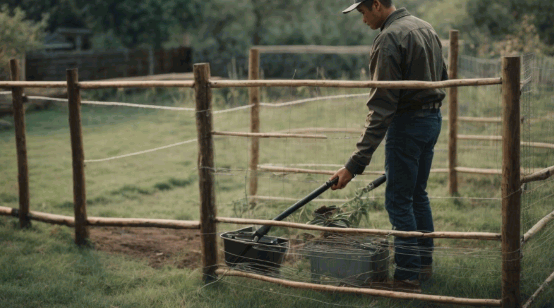
A garden fence serves multiple purposes, from providing privacy and security to enhancing the overall aesthetic of your outdoor space. In addition to keeping out pests and defining your property’s boundaries, a well-chosen garden fence can add value to your home and create a safe and tranquil environment for your family and pets.
In this comprehensive guide, we will explore the different types of garden fences available, the reasons for installing a garden fence, the essential tools needed for installation, a step-by-step guide on how to install a garden fence, and important maintenance tips to ensure the longevity of your fence.
Whether you’re a seasoned DIY enthusiast or a first-time homeowner looking to embark on a new project, this article will equip you with all the information you need to make informed decisions about installing and maintaining a garden fence.
Take a look: How To Install A Backyard Fence

What Is A Garden Fence?
A garden fence is a structure that serves as a boundary for a property, providing security and privacy while enhancing the aesthetics of the outdoor space.
It can be made from various materials such as wood, vinyl, metal, or even living plants like hedges, allowing for a wide range of designs to complement any garden. Many homeowners opt for DIY installation, as it can be a cost-effective way to personalize their outdoor area.
The strategic placement of a garden fence not only marks property lines but also creates a sense of seclusion, enabling families to enjoy their outdoor activities without feeling exposed to neighbors or passersby.

Why Install A Garden Fence?
The installation of a garden fence offers numerous benefits, including enhanced privacy, improved security, appealing aesthetics, and effective pest control.
Privacy
A garden fence provides essential privacy, offering a secure and secluded environment within the property’s boundaries.
It not only acts as a physical barrier but also creates a sense of personal space and tranquility. The design of the fence, whether it’s made of wood, vinyl, or metal, contributes to the aesthetic appeal of the garden while ensuring privacy. Proper installation of the fence enhances its effectiveness in maintaining privacy, preventing unwanted intrusions, and shielding the outdoor living space from public view.
A well-designed garden fence serves as a valuable asset in maintaining privacy and enhancing the overall ambiance of the outdoor area.
Security
The installation of a garden fence significantly enhances the security of the property, establishing clear boundaries and deterring unauthorized access.
By delineating the property’s perimeter, a sturdy fence serves as a visual deterrent, discouraging potential intruders. The controlled access provided by a well-maintained fence restricts unauthorized entry, thereby safeguarding the property.
Depending on the selected fence type, DIY installation can be a cost-effective method that empowers homeowners to customize their security measures. Regular maintenance of the fence, such as inspecting for damage and ensuring proper locking mechanisms, further ensures the ongoing protection of the property.
Aesthetics
A well-designed garden fence adds to the overall aesthetics of the property, complementing its visual appeal with style and charm.
The choice of materials for the fence, such as wood, wrought iron, or vinyl, contributes to the overall design element, creating a cohesive and inviting outdoor space. The style of the fence, whether it’s a picket fence, privacy fence, or ornamental fence, can enhance the visual landscape and seamlessly integrate with the property’s architecture.
Proper installation and maintenance also play a significant role in ensuring that the garden fence continues to elevate the aesthetic allure of the surroundings.
Keeping Out Pests
A garden fence serves as an effective barrier to keep out pests and unwanted wildlife, safeguarding the garden and outdoor space from potential damage.
It acts as a physical deterrent to prevent small animals like rabbits, squirrels, and deer from accessing the plants, minimizing the risk of them destroying crops or flowers. A well-constructed fence made of durable materials such as vinyl, wood, or metal can also enhance the overall aesthetic appeal of the garden while providing long-lasting protection.
Regular maintenance, such as repairing any damaged sections and ensuring the fence remains secure, is crucial to maximize its effectiveness in pest control.
What Are The Types Of Garden Fences?
Garden fences are available in various types such as wood, vinyl, and metal, offering different levels of privacy and aesthetic appeal to suit diverse property requirements.
Wood Fences
Wood fences are a popular choice for garden boundaries, known for their classic design, privacy features, and natural appeal that enhances outdoor spaces.
They can be customized to suit various architectural styles, offering a versatile design option for different property types. The solid construction of wood fencing provides an effective barrier to privacy, creating a peaceful and secluded outdoor environment.
When considering installation, many individuals opt for the DIY approach, finding it a rewarding project that adds a personal touch to their property. The natural beauty of wood seamlessly blends with the surroundings, adding a charming aesthetic to any landscape.

Vinyl Fences
Vinyl fences offer low maintenance and exceptional durability, making them a practical choice for garden boundaries that require long-term reliability and visual appeal.
These modern fences require minimal upkeep, as they do not need to be repainted or stained like traditional wood fences. Vinyl fences are highly resistant to rot, decay, and insect damage, ensuring a longer lifespan and reduced repair costs.
The sleek and elegant appearance of vinyl fences adds a touch of sophistication to any property, enhancing its overall aesthetic appeal while providing secure boundaries for homes and gardens.

Aluminum Fences
Aluminum fences are valued for their strength and security features, providing a sturdy and elegant option for safeguarding garden perimeters and property boundaries.
The robustness of aluminum fences ensures long-lasting protection against intruders and wild animals, making them an ideal choice for both residential and commercial properties. Their sleek and modern design adds aesthetic appeal to any outdoor space, while their low-maintenance nature makes them a practical choice for homeowners. Their DIY installation options make them accessible to those looking to enhance the security and visual appeal of their property.

Chain Link Fences
Chain link fences offer an economical and visible option for garden boundaries, providing cost-effective security and demarcation of property areas.
They are popular for their affordability and low maintenance. The material used in chain link fences is durable and long-lasting, making it a practical investment for property owners. The open weave design allows for visibility, which can enhance the aesthetics of the property. Chain link fences are also versatile and can be used in various settings, from residential to commercial properties. They serve as an effective means to keep pets and children safe within the property, providing peace of mind for homeowners.

What Are The Tools Needed To Install A Garden Fence?
The installation of a garden fence requires essential tools such as measuring tape, level, post hole digger, fence panels, and gate hardware to ensure precise and secure construction.
Measuring Tape
A measuring tape is an indispensable tool for accurately determining the dimensions and layout of the garden fence, ensuring precise and symmetrical installation.
It plays a crucial role in DIY fence projects, allowing homeowners to measure the exact length of materials needed for construction. When aligning the fence posts, the measuring tape aids in ensuring consistent spacing and parallel alignment. This precision is essential in establishing property boundaries and creating a visually appealing and functional fence.
From establishing the initial layout to verifying accurate height measurements, the measuring tape is an essential companion for any successful garden fence installation.

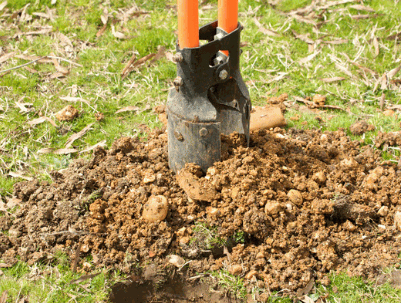
Post Hole Digger
A post hole digger is essential for excavating the ground and creating sturdy foundation holes for the fence posts, facilitating secure installation with concrete support.
It plays a crucial role in prepping the ground by efficiently digging deep, uniform holes, ensuring the stability of the fence posts. This tool aids in the proper alignment of the posts, preventing leaning or shifting, which is essential for the structural integrity of the fence.
Using a post-hole digger to create holes for adding concrete support around the posts enhances their durability, contributing to the long-term stability and security of the entire fence structure.
Level
A level is crucial for ensuring the horizontal and vertical alignment of the fence components, maintaining consistent spacing and plumb positioning throughout the installation process.
It is essential to have a level when undertaking a DIY garden fence project as it plays a vital role in guaranteeing the accuracy of the layout and the overall stability of the fence. Proper use of a level ensures that the fence materials are installed correctly, preventing any irregularities that could impact the appearance and functionality of the fence. When aligning the fence posts and panels, using a level helps in adhering to property boundaries, creating a polished and professionally finished look for the outdoor space.
Hammer
A hammer is essential for driving in nails, securing fence components, and providing necessary support during the installation of a garden fence.
It plays a crucial role in ensuring the stability of the fence structure, especially when working with materials like wood or metal. By firmly securing the components, the hammer contributes to the overall security of the fence, creating a barrier that enhances the privacy and protection of the property. Its impact in maintaining the integrity of the fence cannot be overstated, as it helps withstand external forces and weather conditions, making it an indispensable tool in fence construction.

Nails or Screws
Nails or screws are essential fasteners used to securely attach fence panels, posts, and gate hardware, ensuring the structural integrity and stability of the garden fence.
They play a crucial role in DIY fence installation projects, as they are responsible for holding different fence components together. Properly installed nails or screws not only contribute to the aesthetic appeal of the fence but also ensure its overall strength and longevity. When selecting the appropriate fasteners, it’s important to consider the type of materials being used- whether it’s wood, vinyl, or metal, and the property’s specific security needs to ensure a secure attachment and long-lasting durability of the garden fence.

Fence Panels
Fence panels are integral components of the garden fence, available in various materials such as wood, vinyl, and metal, contributing to the overall design and functionality.
They play a crucial role in defining property boundaries and enhancing privacy and security. With a range of styles and sizes, they can be customized to suit different landscape designs and homeowner preferences. The material diversity allows for tailored options that can withstand various weather conditions and fulfill specific aesthetic requirements. The installation of these panels not only adds visual appeal to the garden but also creates a sturdy and durable boundary that accentuates the overall landscape.

Fence Posts
Fence posts serve as the foundational support for the garden fence, offering stability and structural integrity, available in materials like wood, vinyl, and metal to suit diverse construction needs.
Wooden fence posts, for instance, are popular for their natural look and affordability, while vinyl posts are low-maintenance and resistant to rot or decay. Metal fence posts, on the other hand, provide exceptional durability, making them ideal for areas with harsh weather conditions.
Choosing the right material is crucial, as it determines the fence’s overall strength and longevity. Whether for DIY enthusiasts or professional installers, understanding the role of fence posts in the security and aesthetics of a property is essential for successful fence installation projects.
Step-by-Step Guide To Installing A Garden Fence
The installation of a garden fence involves several essential steps, including ground preparation, post placement, panel assembly, and secure fastening to ensure a durable and visually appealing structure.
What Are The Maintenance Tips For A Garden Fence?
Effective maintenance of a garden fence involves regular cleaning, timely repairs, and appropriate weatherproofing measures to ensure its longevity and visual appeal over time.
Regular Cleaning
Regular cleaning is essential for preserving the appearance and structural integrity of a garden fence, preventing debris buildup, and maintaining its weatherproofing properties. Over time, dirt, dust, and mold can accumulate on the fence, leading to discoloration and deterioration. By implementing a regular cleaning routine using DIY methods and appropriate tools, you can effectively enhance the overall curb appeal of your property.
Keeping the fence clean helps to prevent moisture-related issues, extending its lifespan and reducing the need for costly repairs. This proactive approach to fence maintenance also contributes to defining and maintaining clear property boundaries.

Repairing Damages
Timely repair of damages is crucial for addressing wear and tear on a garden fence, preserving its functional integrity, and prolonging its lifespan within the property.
Regular maintenance plays a vital role in protecting the property boundaries and enhancing the overall aesthetic appeal. Whether the fence is made of wood, vinyl, metal, or composite materials, prompt repairs prevent minor issues from escalating into costly problems, ensuring that the fence remains a sturdy and defining feature of the property.
DIY maintenance efforts, such as inspecting for rot, checking for loose or broken boards, and applying protective coatings, contribute significantly to the long-term durability of the fence.

Repainting or Staining
Repainting or staining the garden fence is an effective way to rejuvenate its appearance, protect it from weather elements, and provide a durable finish for long-term maintenance.
This process not only enhances the visual appeal of your property but also acts as a protective barrier against adverse weather conditions.
DIY enthusiasts can take on this project with the help of basic tools such as paintbrushes, rollers, and sandpaper. By maintaining the fence through repainting or staining, you can prolong its lifespan and preserve the boundaries of your property, leading to overall improved curb appeal and a well-maintained outdoor space.
