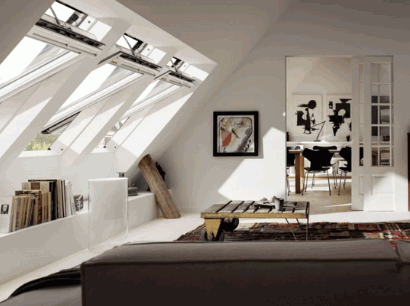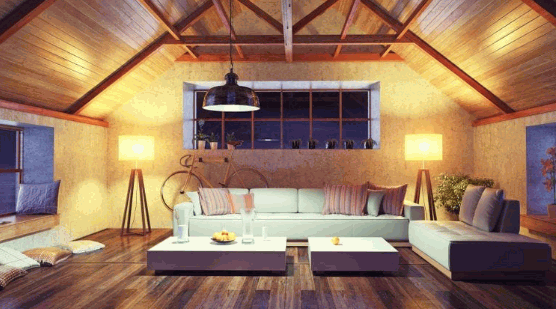
Are you looking to maximize the potential of your home without the hassle of moving? A loft conversion might be the perfect solution for you.
This guide will explore what a loft conversion is, its many benefits—including increased living space and added property value—and the various types available.
You will find essential steps to undertake a successful conversion and a breakdown of the associated costs.
Discover how transforming your loft can enhance your lifestyle and investment!

What Is A Loft Conversion?
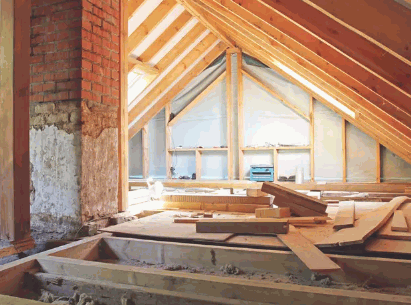
A loft conversion is a modern and innovative way to transform unused attic space into functional living areas, adding significant value and extra room to your home. This process involves carefully planning the design and layout to create versatile spaces such as bedrooms, bathrooms, home offices, or guest rooms, all while ensuring compliance with safety standards and maximizing natural light through strategic window placements. By considering various design ideas and features, homeowners can enhance their properties and enjoy the benefits of an open-plan living environment.
Learn more: What Is Minimum Height For Loft Conversion
Why Should You Consider A Loft Conversion?
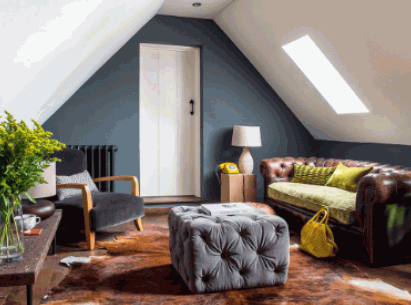
Considering a loft conversion offers numerous advantages for homeowners looking to enhance their living space without the need to move. This can include increasing the value of your property, allowing you to customize the design to suit your style, and providing an economical solution to expanding your home without the hassles of relocation.
Increases Living Space
One of the most compelling reasons to undertake a loft conversion is the significant increase in living space it provides, which can be tailored to your needs—be it a new bedroom, office, or even a playroom. This added space not only enhances your quality of life but also creates a more open and inviting atmosphere in your home.
By transforming an underutilized attic into usable square footage, homeowners can explore various design options that maximize functionality and aesthetic appeal. Imagine converting this area into:
- Spacious Bedrooms – Ideal for growing families or guests.
- Home Offices – A dedicated workspace that promotes productivity and minimizes distractions.
- Playrooms – A safe, fun environment for children to explore their creativity.
- Entertainment Rooms – Perfect for family movie nights or hosting friends.
Incorporating features like skylights can flood the space with natural light, making it feel even larger. The potential for customized storage solutions helps to keep clutter at bay, ensuring the new loft area is both stylish and organized. A loft conversion not only maximizes space but also enriches the living experience within a home.
Adds Value To Your Home
Investing in a loft conversion can significantly enhance the overall value of your home, making it a smart financial decision for homeowners looking to increase their property’s market appeal.
Well-designed loft spaces that incorporate modern features and thoughtful design elements can attract potential buyers and yield a high return on investment. In fact, statistics suggest that homeowners can expect up to a 20% increase in property value after a loft conversion is completed. This improvement not only broadens the living space but also adds unique appeal to the home.
- Incorporating energy-efficient features, such as proper insulation and skylights, can further enhance this value increase.
- Spaces that provide additional rooms—be it for a guest bedroom, office, or playroom—tend to resonate well with today’s house hunters.
As the demand for versatile living spaces rises, homeowners are increasingly recognizing how a loft conversion can transform their properties into desirable havens in the competitive real estate market.
Cost-effective Alternative To Moving
A loft conversion is often a more cost-effective alternative to moving, allowing homeowners to expand their living space without incurring the expenses associated with buying a new property. This includes saving on moving costs, real estate fees, and the stress of relocating, making it an attractive option for families in need of more space.
When considering the financial benefits of home renovations, homeowners find that a loft conversion can not only provide additional living areas but also enhance property value significantly. The potential savings associated with not having to sell and buy another home can be redirected toward transforming the loft into a cozy bedroom, an office, or even a playroom for children.
- Cost Efficiency: The average cost of a loft conversion can be substantially lower than the sum of buying a larger property.
- Space Ideas: Homeowners can creatively design their loft space to fit personal needs while maintaining existing comfort.
- Emotional Comfort: Increasing living space without the disruption of moving allows families to maintain established roots in their community.
Ultimately, opting for a loft conversion can provide a dual advantage of cost savings and convenience, enriching family life while avoiding the tumult of relocation.

What Are The Different Types Of Loft Conversions?
When considering a loft conversion, it’s essential to understand the various types available, each offering unique advantages and design possibilities. The most common types include Dormer, Mansard, Hip to Gable, and Velux conversions, each tailored to maximize usable space while enhancing natural light and aesthetics in your home.
Dormer Loft Conversion
A Dormer loft conversion involves extending the existing roof to create additional headroom and floor space, making it a popular choice for homeowners looking to maximize their loft’s potential. This design allows for more natural light and can be customized to fit various architectural styles, enhancing both functionality and aesthetics.
This type of conversion not only increases the overall living area but also transforms an often underutilized space into a vibrant part of the home. Homeowners often appreciate the numerous features and benefits dormer loft conversions provide, which include:
- Enhanced usability: With increased headroom, the loft can be transformed into anything from a cozy bedroom to a stylish office.
- Natural light: The design allows for the addition of large windows, flooding the space with sunlight.
- Architectural compatibility: Dormers can be tailored to complement different home styles, ensuring a seamless integration.
Ultimately, these conversions not only elevate the usability of the loft but also contribute to the home’s overall value, making it a wise investment for homeowners looking to create a more functional and inviting living space.

Mansard Loft Conversion
A Mansard loft conversion features a unique design that alters the roof’s slope, creating a flat roof at the top for maximum usable space. This versatile option can often provide the most extensive space of all loft conversion types and can accommodate multiple rooms, making it ideal for larger families.
One of the standout advantages of this type of conversion is its remarkable space-enhancing capabilities, allowing homeowners to create additional living areas without sacrificing valuable outdoor space. Since the design includes a steep inclination on one side, it easily integrates into the existing structure.
- In terms of design flexibility:
- It can accommodate various architectural styles, enhancing the aesthetic appeal of the home.
- Multiple windows can be added, flooding rooms with natural light, and creating inviting environments.
- Also, it allows for staircases, storage solutions, or even en-suites to fit seamlessly into the layout.
Thus, for those seeking to expand their living spaces while adding character and charm to their property, a Mansard loft conversion proves to be a compelling choice.

Hip To Gable Loft Conversion
The Hip to Gable loft conversion transforms a hipped roof into a gable end, creating a larger and more usable space in the loft area. This type of conversion maximizes light and gives the homeowner a more open-plan feel, making it suitable for various living arrangements.
By converting the roof structure, this design not only enhances usable square footage but also allows for the installation of larger windows and perhaps even a balcony to enjoy outdoor views. The gable end provides additional height, which encourages innovative interior layouts that can be tailored to specific aesthetic preferences and functional needs.
Here are several key benefits:
- Increased natural light through larger window openings.
- Enhanced architectural appeal with a modern look.
- The flexibility to create diverse spaces, including a cozy bedroom or a stylish home office.
Ultimately, homeowners can unlock the full potential of their property through such a transformation, enjoying both practicality and elegance in their design choices.

Velux Loft Conversion
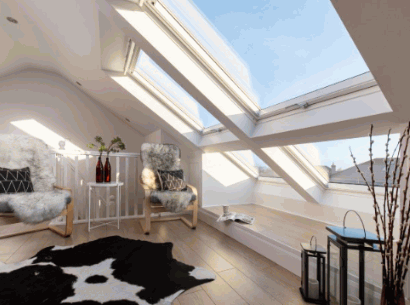
A Velux loft conversion utilizes roof windows to create a bright and airy atmosphere while minimizing structural changes, making it a cost-effective option for homeowners. This type of conversion is perfect for enhancing existing spaces without altering the roof’s shape, thus preserving the original aesthetics of the home.
By incorporating these innovative roof windows, homeowners can effortlessly transform their unused loft areas into functional living spaces, be it a cozy office, an additional bedroom, or a serene relaxation zone. The straightforward installation process not only reduces labor costs but also allows for a quicker turnaround.
- Natural light flooding promotes a positive atmosphere.
- Minimal disturbance during installation means less hassle.
- Enhanced property value without extensive renovations.
Choosing this route makes it possible to enjoy the benefits of extra space without compromising on style or balance. Therefore, a Velux conversion represents an intelligent investment in both comfort and functionality.
What Are The Steps To Make A Loft Conversion?
Transforming your loft into a usable space involves several crucial steps, starting with careful planning and design to ensure compliance with regulations and your specific needs. From obtaining necessary building permissions to hiring a qualified contractor, each phase is essential to achieving a successful and sustainable loft conversion.
Planning And Design
The planning and design phase is critical for a successful loft conversion, where homeowners must consider the intended use of the space, structural requirements, and local regulations.
A well-considered approach can lead to spaces that are not only functional but also visually appealing. Emphasizing careful planning and design throughout the process ensures that every aspect—from the choice of materials to the arrangement of furniture—is tailored to meet the unique needs of the household.
- Incorporating ample windows greatly enhances natural light, making the area feel more spacious and inviting.
- Storage solutions should be seamlessly integrated, allowing the space to remain clutter-free while maintaining accessibility.
- Thoughtful furniture layout can foster a sense of flow and make the most of the available room.
Attention to these details during the early stages can ultimately transform a loft into a harmonious blend of aesthetics and practicality, catering to the lifestyle of those who dwell within it.
Obtaining Necessary Permissions
Before proceeding with a loft conversion, it is crucial to obtain the necessary permissions from local authorities to ensure compliance with building regulations and planning laws.
This pivotal step helps safeguard your investment by preventing potential legal complications that may arise from non-compliance. The process usually involves:
- Preparing and submitting detailed design plans that reflect your intended alterations.
- Gathering relevant documentation, such as land ownership proof and existing building surveys.
- Consulting with professionals or architects who specialize in local regulations to ensure everything aligns with legal requirements.
Adhering to these guidelines not only streamlines the approval phase but also enhances the project’s overall feasibility and sustainability. It’s essential to be patient, as the approval timeline can vary by locality, impacting your project’s start date.
Ultimately, ensuring a thorough understanding of the planning regulations involved in your loft conversion can make a substantial difference in the project’s success.
Hiring A Contractor
Hiring a reliable contractor is key to executing a successful loft conversion, as they will manage the construction process and ensure that the project adheres to the planned design and timelines. It’s vital to vet potential contractors thoroughly, checking their references and previous work to ensure quality.
Finding qualified professionals is essential to achieve the results you desire. Begin by asking for recommendations from friends or family and explore online platforms that review contractors’ work. When assessing candidates, consider the following aspects:
- Experience: Look for contractors who have a proven history in loft conversions.
- Portfolio: Request to see a portfolio showcasing past projects to gauge their quality and style.
- Licensing and Insurance: Ensure they are appropriately licensed and insured to protect yourself from potential liabilities.
Engaging with former clients can provide insight into their reliability and communication skills, which are crucial during the construction phase.
Structural Changes And Construction
The structural changes and construction phase involve making necessary modifications to the existing space, including reinforcing the floor, adding stairs, and installing windows to enhance natural light. This stage is critical for ensuring that the loft conversion is safe, functional, and visually appealing.
During this process, it is essential to assess the current frameworks and identify any weak points that may not support the new loads. It often begins by consulting structural engineers who can recommend the necessary reinforcements, such as:
- Installing additional beams
- Upgrading existing floor joists
- Ensuring proper insulation
The addition of a staircase is particularly important, as it serves as the main access point to the loft space while also ensuring compliance with building regulations.
Optimizing the layout for windows not only brings in natural light but also enhances the overall aesthetic of the newly created area. Attention to detail during this phase is imperative, as it lays the groundwork for a beautiful and safe living space for years to come.
Finishing Touches
The finishing touches in a loft conversion are what truly make the space feel complete and personalized, from choosing furniture to incorporating design elements that reflect your style. This phase is crucial for maximizing the functionality and aesthetic appeal of the new space.
To breathe life into this unique area, one must consider several aspects that harmoniously blend comfort and style. Selecting the right furniture is essential; think about pieces that not only fit the dimensions but also enhance the overall ambiance. Incorporating rich textures and colors in the upholstery can create a cozy atmosphere. Additionally, design elements such as art, lighting, and accessories can serve as focal points that reflect personal tastes.
- Choose multi-functional furniture to save space.
- Incorporate vibrant decor to add personality.
- Utilize vertical space for storage solutions.
By thoughtfully curating these finishing elements, the loft can transform into a remarkable living environment.
What Are The Costs Involved In A Loft Conversion?
Understanding the costs involved in a loft conversion is essential for budgeting effectively and making informed decisions throughout the process. The overall expenses can vary widely, factoring in design and planning fees, construction costs, and decoration and furnishing expenses, making it crucial for homeowners to assess all financial aspects.
Design And Planning Fees
Design and planning fees are the initial costs associated with a loft conversion, encompassing expenses for architects and designers who create the plans and ensure compliance with regulations. While these fees can vary, they are a vital part of the overall budget and should be carefully considered early in the process.
Understanding the intricacies of design and planning fees is essential for anyone considering a loft conversion. These costs typically range from $2,000 to $6,500, depending on the complexity of the project and the expertise of the professionals involved. Engaging with skilled architects and designers not only enhances the aesthetic value but also ensures that the necessary approvals are secured without delay.
Here are some key factors to keep in mind:
- Scope of Work: The more detailed and extensive the plans, the higher the fees are likely to be.
- Location: Regional variations can also influence costs dramatically.
- Experience: Established professionals often charge premium rates, but their expertise can save money in the long run by preventing costly mistakes.
Ultimately, allocating a portion of the budget for these fees at the outset can lead to a smoother conversion experience, paving the way for a successful project.
Construction Costs
Construction costs for a loft conversion can represent a significant portion of the overall budget, as they include labor, materials, and any structural changes required to create the new space. Obtaining multiple quotes from contractors can help homeowners find the best value without compromising on quality.
When planning such a project, it’s essential to understand that the overall expenses can fluctuate based on various factors. For instance, the choice of materials plays a crucial role; high-quality options might elevate the cost but can offer better durability and aesthetics in the long run.
The complexity of the design and architectural features will directly affect:
- labor intensity
- permitting and legal fees
- timeframes for completion
Taking the time to request estimates from several contractors allows homeowners to compare their experiences and specialties while ensuring they receive a fair deal. This practice not only aids in budget planning but also provides a comprehensive view of what the current market rates are for essential construction aspects.
Decoration And Furnishing Costs
Decoration and furnishing costs are the final expenses to consider when completing a loft conversion, as they involve choosing the right furniture, color schemes, and design elements that align with your style and the function of the space. These costs can vary widely depending on personal choices and preferences.
Regarding designing a loft, each decision can significantly impact your total budget, from selecting the perfect color palette that reflects your personality to investing in quality furnishings that not only enhance aesthetics but also enhance functionality.
- The style of furniture you choose can range from minimalist to luxurious, each with varying price points.
- Lighting fixtures play a crucial role; opting for custom or designer pieces can elevate the ambiance but may also come with a higher price tag.
- Window treatments can also add character, with a plethora of options available to suit various styles and budgets.
Understanding how these elements interconnect will help in making informed decisions without overspending. Ultimately, a well-planned approach will lead to a beautifully furnished loft that is both functional and stylish.