
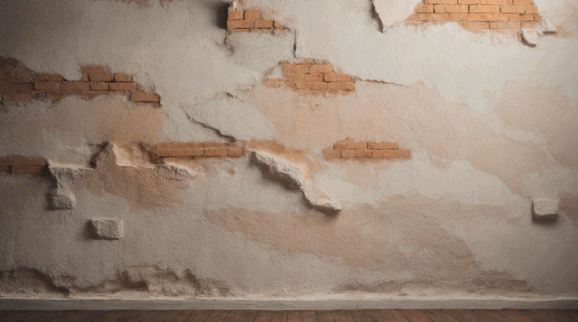
Plastering can make any room look polished and professional. Whether you’re a pro or a novice, this guide will help you with your next project. From gathering materials to preparing the surface to applying the plaster – we’ve got you covered.
Before you start, get all the necessary tools and safety gear like trowels, buckets, sandpaper, gloves, and goggles. Next, remove any loose paint or wallpaper, clean the area, and apply a primer if needed.
Now comes the trickiest part – applying the plaster. Mix it according to instructions and use a trowel to spread it on the wall or ceiling. Go slowly and make sure the coat is even in thickness. Too thin or too thick can cause weak spots or cracking.
To get a smooth finish, use a wet sponge or trowel to polish the surface when it starts to set. This will remove any imperfections and give you a seamless look.
Benefits of DIY Plastering
Do-it-yourself (DIY) plastering is a popular choice for homeowners wanting to save money and have control over the quality of the work. There are many benefits, such as flexibility, cost savings, and learning opportunities. Plus, there’s a sense of pride and satisfaction that comes with taking on a home improvement project.
You can also be sure that every detail is as you want it. Select materials, and apply the finish – it’s all up to you!
Interestingly, this craft has been around for centuries. Ancient civilizations in Egypt and Mesopotamia used plaster for the walls and ceilings of palaces and temples. Highly skilled craftsmanship was valued and passed down over generations.

Preparing the Work Area
To prepare the work area for plastering DIY, clear the room and protect surfaces and furniture. Clearing the room creates a safe and clutter-free space while protecting surfaces and furniture prevents damage. By following these steps, you can ensure a clean and hassle-free plastering process.
Clearing the Room
It’s vital to clear the work area of any unneeded items. Doing this ensures a safe, organized setting for productivity. Removing things that aren’t needed lets us concentrate on the task at hand.
Decluttering surfaces and making a functional layout are also key. Arranging tools and items in an accessible way saves time. Keeping the area clear of non-essential items boosts orderliness and professionalism.
Protecting Surfaces and Furniture
Protecting surfaces and furniture is important to maintain workspace integrity. Here are key points to remember:
- Use protective sheets or drop cloths for surfaces and furniture.
- Plastic covers prevent spills or stains from damaging furniture.
- Don’t place heavy objects on wooden surfaces to prevent scratches or dents.
- Put padding or soft materials under heavy equipment to minimize surface impact.
- Regularly clean and dust surfaces to avoid buildup damage.
- Keep sharp objects away from delicate surfaces to avoid cuts or scratches.
Also, secure loose cables to avoid tripping hazards and ensure proper ventilation.
Now let’s look at a historical aspect of protecting surfaces and furniture. Ancient artisans used special covers made from fine fabrics for delicate furniture. These covers shielded furniture from dust and dirt and added an elegant touch to the workspace ambiance. This proves the importance of safeguarding surfaces and furniture.
Gathering the Materials
To gather the materials needed for plastering DIY, equip yourself with the right knowledge and tools. Find out about the essential plastering tools and equipment required, and learn how to choose the appropriate type of plaster. These sub-sections provide the solution for navigating through the process of gathering materials effectively.
Plastering Tools and Equipment
Tools and their uses for plastering include:
- A trowel for applying and smoothing plaster.
- A hawk to hold the plaster while working.
- A plastering float for applying a smooth finish to the plaster.
- A mixing paddle for stirring the plaster mixture.
- A bucket for holding the plaster mixture.
- Plus, don’t forget the taping knife for joint compound on drywall seams, and corner trowel for tight corners.
- For bigger jobs, use a power drill with a mixer attachment.
Safety gear is super important too. Goggles, gloves, and a dust mask protect eyes from injury, skin from irritation, and lungs from inhaling particles.

Choosing the Right Plaster
Plaster selection is a must for any construction. The type you use will decide the result’s quality and strength. To pick the right one, think about the desired finish, humidity level, and needs of your job.
Look at:
- Plaster type – Gypsum and lime plaster produce different finishes. Gypsum is often used indoors for a smooth result, and lime is great for outdoors because it can “breathe”.
- Finish – Plasters come in many textures, from smooth to textured or patterned. Pick the one that goes with your desired outcome.
- Moisture resistance – Select a water-resistant one if you’re working in a wet area like a pool or bathroom. It will stop water damage and mold.
- Durability – Think if it can handle wear and tear. Some plasters are tougher than others against cracking or impacts.
- Climate compatibility – Take the area’s climate into account. Some plasters perform better in certain temperatures.
- Cost – Make sure you get value for your cash by comparing prices and considering long-term benefits.
Choose well so you can get a long-lasting, attractive finish. Make the best choice for your plaster type.
Dig Deeper: Can I Use Plastering Sand In The Garden
Preparing the Walls
To prepare your walls for plastering DIY, tackle the necessary steps for a smooth finish. Removing loose paint or wallpaper and filling cracks and holes are key sub-sections that will be covered. Get ready to transform your walls into a fresh canvas for your plastering project.
Removing Loose Paint or Wallpaper
Take these 3 steps to get rid of loose paint or wallpaper:
- Use a scraping tool or putty knife to carefully scrape off paint or wallpaper from the walls.
- Sand the area for any sharp edges or leftover adhesive.
- Wipe the walls with a damp cloth to remove dust and debris.
Be sure to wear protective gear such as gloves and goggles when doing this job. Safety first!
Filling Cracks and Holes
Cracks and holes can be a real nuisance, but they can be fixed in a jiffy with the right approach! Here’s a step-by-step guide to get you started:
- Find the spots: Scan your walls for cracks and holes. Pay attention to corners, seams, and areas that often get worn down.
- Get ready: Before you fill the cracks, prep the surface. Scrape away old paint or debris, and sand it off. This will make the filler stick better.
- Pick the right filler: Depending on the crack or hole size, choose the right filler. For small cracks, use a lightweight spackling compound. Bigger ones may need patching plaster or joint compound.
- Fill it up: Use a putty knife or scraper to apply the chosen filler. Push it in firmly and make sure to fill any gaps. Smooth the surface with the tool for a smooth finish.
- Final touches: Let the filler dry completely. Then, sand it down to create an even surface. Finally, paint over it to match your wall color.
Plus, remember that different wall materials call for specific methods and fillers. This guide is formulated based on expert advice from home improvement specialists.
So go ahead and get your walls looking good as new!

Mixing the Plaster
To achieve a successful plaster mixing process for your DIY project, follow these steps for the ‘Mixing the Plaster’ section with sub-sections on ‘Measuring the Plaster and Water’ and ‘Proper Mixing Techniques.’ Learn the importance of accurate measurements and discover the right techniques to create a smooth and workable plaster mixture.
Measuring the Plaster and Water
Accurate measurements of plaster and water are a must for a perfect mix. Deviations can weaken the final result of the plaster.
| Material | Measurement (in grams) |
|---|---|
| Plaster | 500 |
| Water | 250 |
Take note that these measurements may change based on the thickness and setting time desired. Alterations can be done to get the required outcome.
Pro Tip: Always add plaster to water gradually and stir continuously. This avoids lumps or inconsistencies in the blend.
Proper Mixing Techniques
- Measure the right amount of plaster and water with a precise scale.
- Pour the water into a clean container.
- Gradually add plaster while stirring.
- Mix until it reaches a creamy consistency.
- Avoid over-mixing.
Also, remember to:
- Clean all equipment beforehand.
- Use a paddle mixer or hand tools for blending.
- Follow instructions from the manufacturer.
Applying the Plaster
To achieve a flawlessly plastered finish, master the art of applying the plaster with finesse. In order to accomplish this, delve into the sub-sections “Starting with the Base Coat” and “Applying the Top Coat”. Each sub-section presents unique solutions that contribute to a successful plastering project.

Starting with the Base Coat
When it comes to plastering, starting with the base coat is essential. This process involves several steps that must be followed correctly for the best results.
- Prep: Before applying the base coat, make sure the surface is clean and clear of any loose particles. Use a brush or sandpaper to remove any debris or flaking paint. It is also important to lightly moisten the surface to improve adhesion.
- Mixing: Follow the manufacturer’s instructions to mix the plaster correctly. Generally, mix plaster powder with water in a container. Use a paddle or drill attachment to get a smooth and lump-free consistency.
- Applying: Start by scooping up a small amount of plaster onto a hawk. Hold the hawk against your body and use a trowel to transfer the plaster. Spread the plaster onto the wall or surface with even strokes.
- Troweling and leveling: After applying an initial layer of plaster, use a straightedge or plasterer’s float to even out any uneven areas. This will create a flat base for further layers of plaster.
Note: Each layer of plaster needs sufficient drying time before applying more coats or completing further finishes such as sanding or painting.
Patience and attention to detail are key when starting with the base coat, ensuring successful plaster application.
It has been centuries since base coats have been used in construction projects around the world. (Source: Retrieved from Building Construction Illustrated).
Applying the Top Coat
The top coat is a must for any plastering project. It’s the final touch that provides protection. Follow these three simple steps to get a smooth, professional finish:
- Prepare the surface. Make sure the previous layers are dry. Use sandpaper or scraper to smoothen any imperfections.
- Mix the top coat. Put it in a clean bucket and add water, as indicated by the manufacturer. Stir well until you get a creamy consistency. Don’t over-mix – it can cause air bubbles.
- Apply the top coat. Spread it in thin layers with a trowel. Go from one corner to another for even coverage. Smooth out ridges with gentle strokes.
Proper technique is key. So take your time and focus on details. For added finesse, use corner trowels or feather edges for sharp edges and angles.
Don’t rush this step – it’s the key to a polished look. Show pride in your workmanship and create something remarkable!
Smoothing and Finishing
To achieve a smooth and flawless plaster finish when doing it yourself, utilize the section on “Smoothing and Finishing.” This includes sub-sections on “Using a Plastering Trowel” and “Wet-Sanding for a Smooth Finish.” These techniques will help you achieve professional-level results with your plastering project.
Using a Plastering Trowel
Using a plastering trowel is key for a smooth wall. Follow these tips to become a pro!
- Prep the surface. Make sure it’s clean, free of debris, and any paint or wallpaper is gone. Fix any cracks or holes.
- Load plaster onto the hawk. Apply a thin layer of plaster to the wall using the flat side of your trowel. Work in small sections for better control.
- Smooth it out. Use the edge of your trowel to take off excess plaster and make it even. Then, with long, sweeping motions, glide your trowel over the plaster to erase any imperfections.
- Remember: practice makes perfect! Don’t be afraid to try different techniques and angles.
Pro Tip: For an ultra-smooth finish, dampen your trowel slightly before each stroke. You’ll get a flawless surface that looks great!

Wet-Sanding for a Smooth Finish
Wet-sanding is a pro trick for a smooth finish on any surface. Here are four steps to ace it and up your finessing game!
- Ready your workspace. Gather the tools and materials for sanding. Clean the area to get rid of dirt and other things that could disrupt the process.
- Soak the sandpaper. Put the sandpaper in a container with water and let it sit for a few minutes. Check the material and decide the grit size.
- Start sanding. Once the paper is wet, use a circular or back-and-forth motion. Keep the surface damp by dipping the paper in water or using a spray bottle.
- Check your work. Inspect each area for any imperfections. If needed, do the wet sanding again until the finish is perfect.
Practice makes perfect when it comes to wet sanding – with time, you’ll get even better results. Remember to take safety precautions, too!

Cleaning Up and Final Touches
To achieve a flawless finish in your DIY plastering project, master the art of cleaning up and adding final touches. Remove excess plaster and ensure a spotless work area. Clean your tools thoroughly for future use. These simple steps for cleaning up and final touches will bring your project to completion with finesse.
Removing Excess Plaster
For a flawless finish, precision and finesse when removing excess plaster are key. Follow these four steps:
- Inspect the wall for any uneven or excess plaster. Gently scrape away any protruding areas with a putty knife or scraper, being careful not to damage the surface.
- Once you have removed the larger chunks, sand the remaining rough spots with fine-grit sandpaper. Do this in gentle, circular motions with even pressure until the surface feels uniformly smooth.
- Wipe down the wall with a damp cloth or sponge to remove dust and debris. This will help prepare the surface for painting or further finishing.
- Step back and inspect from multiple angles to make sure all excess plaster has been removed. Repeat steps 1-3 if necessary.
Using quality tools and materials can enhance the outcome.
Conclusion
As you finish your plastering project, think about the key points. You’ve gotten lots of insight into plastering.
We’ve discussed techniques and tips to plaster like an expert. Preparing the surface, mixing the plaster, applying it, and getting a great finish are all important steps.
When picking plaster, think about factors like drying time, texture, and application method. And be sure to know how to do corners and edges properly.
Here’s a pro tip: Before starting, be sure to have the right safety equipment, like goggles, gloves, and respiratory protection. Never forget safety when dealing with dangerous materials.
Now you have the knowledge to take on your next plastering project. Take your time, stay patient, and enjoy the artistic side of this craft. Plastering with joy!