
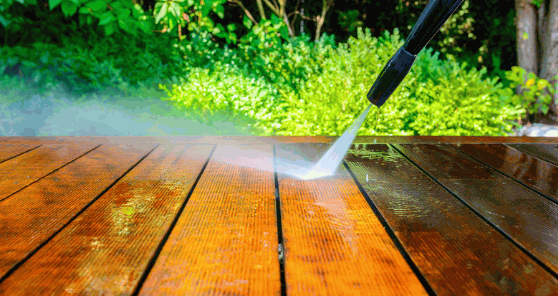
Looking to spruce up your outdoor space? Pressure washing your deck can make a big difference in its appearance and longevity.
Learn about the tools and materials needed for pressure washing a deck, as well as the step-by-step process to get it done effectively.
Discover some tips for safe pressure washing and find out how often a deck should be pressure washed.
Get your gear and let’s get started!
Explore further: How To Clean Window Glass

What is a Pressure Washer?
A pressure washer, also known as a power washer, is a high-pressure mechanical sprayer that can be used to remove loose paint, mold, grime, dust, mud, and dirt from surfaces and objects such as buildings, vehicles, and concrete surfaces.
It operates by utilizing a motor to boost water pressure through a high-pressure hose and out through a trigger gun or wand. This forceful stream of water can effectively clean and strip away stubborn dirt and grime from various surfaces, making it a versatile tool for both residential and commercial use.
There are different types of pressure washers available, including gas-powered and electric models, each suited for specific tasks based on the required power and portability.
The benefits of using a pressure washer extend beyond just cleaning as it helps save time and effort compared to manual scrubbing, making it an efficient and eco-friendly choice for outdoor maintenance.
How Does a Pressure Washer Work?
A pressure washer works by using a motor or engine to power a pump that pressurizes water from a garden hose to create high-pressure water for cleaning various surfaces.
At the core of a pressure washer is the pump, which is responsible for pressurizing the water. The pump typically increases the pressure of the water coming from the garden hose to levels exceeding that of a regular household faucet. This high-pressure water is then directed out through a wand and nozzle combination, providing the force necessary for cleaning dirt, grime, and other debris off surfaces. The pressure levels can vary depending on the model, with some capable of generating pressures up to 4000 PSI, making them suitable for heavy-duty tasks.
Why Pressure Wash a Deck?
Pressure washing a deck is essential to maintain its appearance, clean dirt, grime, and mildew, prepare the surface for staining or painting, and extend the lifespan of the wood.
Regarding deck maintenance, regular pressure washing can significantly enhance the overall longevity of the structure. Eliminating embedded dirt and grime, not only revitalizes the deck’s visual appeal but also creates a clean canvas for subsequent tasks like staining.
Proper wood care involves periodic cleaning to prevent mold and mildew buildup, which can cause structural damage over time. Pressure washing efficiently tackles these issues, safeguarding the integrity of the deck.
The preparation achieved through pressure washing is crucial for ensuring that any staining or painting application adheres properly, leading to a more durable finish that will withstand the elements for an extended period.
What Tools and Materials are Needed for Pressure Washing a Deck?
To pressure wash a deck effectively, you will need specific tools and materials such as a pressure washer, deck cleaner, scrub brush, and safety gear to ensure a thorough and safe cleaning process.
The pressure washer is the heart of this operation, providing the high-pressure water needed to blast away dirt and grime.
The deck cleaner plays a crucial role in breaking down stubborn stains and mildew, ensuring a deep clean.
A sturdy scrub brush will be your trusted companion for tackling hard-to-reach spots and applying cleaner efficiently.
With regards to safety, never underestimate the importance of proper safety gear, including goggles, gloves, and non-slip footwear, to protect yourself during the cleaning process.
Each tool and material has a specific function, contributing to achieving a spotless deck effortlessly.

Pressure Washer
For residential projects like deck cleaning, a suitable pressure washer is essential to effectively remove dirt, stains, and debris from the surface without causing damage.
When selecting a pressure washer for residential tasks, it’s crucial to consider the power options available. Electric pressure washers are typically more suitable for smaller projects, whereas gas-powered models offer greater mobility and power for larger areas.
Nozzle attachments play a vital role in controlling the pressure and spray pattern, allowing you to adjust the intensity based on the surface being cleaned. Ensure you have a variety of nozzles for versatility.
Safety should always be a top priority when using a pressure washer. Always follow the manufacturer’s guidelines, wear protective gear, and be cautious of electrical outlets and water sources to prevent accidents.

Deck Cleaner
Deck cleaner is used to strip old finishes, remove mildew, and brighten the wood surface before pressure washing. It may contain chemicals like sodium hydroxide or oxalic acid for effective cleaning.
These chemicals work by breaking down dirt, grime, and old stains on the deck surface, making it easier to remove them during pressure washing. Deck cleaners come in various forms such as liquid concentrates, powders, or ready-to-use solutions, offering flexibility in application based on the level of cleaning required. When applying a deck cleaner, it is essential to follow the manufacturer’s instructions diligently to ensure safety and effectiveness. Protective gear such as gloves, goggles, and masks should be worn to prevent skin and respiratory irritation from the potent chemicals.

Scrub Brush
A scrub brush is essential for preparing the deck surface, scrubbing tough stains, and reaching areas that the pressure washer might not reach effectively.
Using a scrub brush before applying any stain or sealant helps ensure that the deck is thoroughly cleaned and free from dirt, mold, and grime. The bristles of the brush are designed to loosen embedded debris and prepare the surface for further treatment.
Regarding removing tough stains or discoloration, a scrub brush paired with a cleaning solution can be highly effective. The manual scrubbing motion allows for targeted treatment of problem areas, giving you better control over the preparation process.
The flexibility of a scrub brush enables you to reach into crevices and corners where dirt and grime tend to accumulate. This attention to detail is crucial for achieving a uniformly clean deck surface and ensuring that the entire area is prepped adequately.

Safety Gear
Safety gear such as goggles, gloves, and appropriate clothing should always be worn when pressure washing a deck to protect against splashes, debris, and chemical exposure.
When pressure washing a deck, it’s crucial to have the right equipment to ensure a safe and effective cleaning process. Plus personal protective gear, you will also need a reliable pressure washer with adjustable pressure settings suitable for wood surfaces. It’s important to carefully read the manufacturer’s instructions and guidelines to prevent accidents and damage to the deck.
Safety precautions during deck pressure washing include avoiding direct contact with the nozzle, maintaining a safe distance from the surface, and using low-pressure settings to prevent any potential harm. Taking the time to set up proper barriers and warning signs around the work area can help minimize risks for both yourself and others who may be nearby.
Protective gear should not be overlooked. It acts as your first line of defense against potential hazards, such as flying debris, harsh chemicals, or slippery surfaces. Properly fitted goggles can shield your eyes from splashes, while sturdy gloves provide protection for your hands against abrasive surfaces and chemicals. Wearing appropriate clothing, such as long sleeves and closed-toe shoes, adds an extra layer of safety.

Steps for Pressure Washing a Deck
To pressure wash a deck effectively, follow a series of steps including preparation, applying deck cleaner, pressure washing, and rinsing and drying, ensuring the surface is ready for staining or sealing as recommended by experts.
Start by preparing the deck, removing all furniture, plants, and debris from the surface, and ensuring proper ventilation. Protect nearby plants with a tarp to prevent damage from the cleaning solutions.
Next, apply a deck cleaner using a pump sprayer, making sure to follow the manufacturer’s instructions for proper dilution and application.
When pressure washing, work in small sections to evenly clean the entire deck, holding the sprayer nozzle at a consistent distance to avoid damage. Use a fan tip nozzle to disperse the water evenly without causing harm.
After pressure washing, thoroughly rinse the deck with clean water to remove any remaining cleaner residues. Allow the deck to dry completely before proceeding with staining or sealing to ensure optimal adhesion and results.
Preparation
Preparation is key before pressure washing a deck. This involves clearing the area, repairing any damages, and ensuring the deck is ready for thorough cleaning.
Proper maintenance tasks play a crucial role in ensuring the longevity of your deck. Before pressure washing, inspect the surface for any loose boards or nails that could be hazardous. It’s essential to repair these issues to prevent accidents during the cleaning process. Regular maintenance of your deck not only enhances its appearance but also protects it from wear and tear over time.
When pressure washing a residential deck, take the time to clear any furniture, plants, or debris from the area. This not only allows for a more efficient cleaning process but also prevents any items from getting damaged by the high-pressure water. By preparing the space adequately, you can ensure a safe and effective cleaning session for your deck.
Applying Deck Cleaner
When applying deck cleaner, ensure it is suitable for the deck material, whether natural wood or composite, to achieve optimal cleaning results without causing damage.
For natural wood decks, it is crucial to use a cleaner that is specifically formulated to gently remove dirt, grime, and mildew without stripping the wood’s natural oils and color. Deck cleaners for natural wood often come in concentrated formulas that need to be diluted with water before application.
On the other hand, composite decking materials require a different approach. Since composite decks are made of a combination of wood fibers and recycled plastics, harsh chemicals can damage the material. Therefore, it is advisable to use a mild detergent or a specialized composite deck cleaner that is gentle yet effective.

Pressure Washing
During the pressure washing stage, adjust the settings to the appropriate pressure level, work methodically to brighten the deck surface, and be cautious not to damage the wood by sanding it excessively.
When setting the pressure for your pressure washer, make sure it is not too high as excessive pressure can harm the wood fibers. A moderate pressure setting is generally effective while minimizing the risk of damage.
Brightening the deck involves removing dirt and grime, revealing the natural color and beauty of the wood. Utilize gentle sweeping motions to clean the entire surface thoroughly.
When sanding to prep the deck for staining, be mindful not to overspend, as this can weaken the wood and affect the overall integrity of the deck.
Rinsing and Drying
After pressure washing, ensure thorough rinsing of the deck surface to remove residual cleaner or debris, and allow the deck to dry completely before proceeding with any maintenance or staining tasks for residential projects.
Proper rinsing is crucial as any leftover cleaner or dirt can interfere with subsequent treatments.
Once the rinsing is complete, it’s vital to let the deck dry fully to prevent any issues like mold or degradation. This drying stage allows for a clear surface inspection to identify any areas that may need special attention.
Only after confirming the deck is completely dry should you move forward with maintenance procedures or staining to ensure optimal results for your residential project.
Tips for Safe and Effective Pressure Washing
When pressure washing, always follow safety precautions, use appropriate chemicals such as sodium hydroxide sparingly, and test a small area first to avoid damaging the deck surface.
Chemicals like sodium hydroxide can be effective in removing tough stains, but they should be used with caution due to their strong properties. It’s important to dilute them properly according to manufacturer instructions to prevent any accidental damage or harm.
Plus using the right chemicals, and wearing protective gear such as goggles, gloves, and long sleeves can help safeguard your skin and eyes from potential splashes or fumes.
Before starting the pressure washing process, clear the area of any obstacles or debris that could get dislodged by the high pressure and cause damage. Taking these simple precautions can make your pressure washing experience safer and more successful.
How Often Should a Deck Be Pressure Washed?
As per experts’ recommendations, decks should ideally be pressure washed annually to maintain their appearance, prevent mold growth, and prepare the surface for staining or maintenance as advised in this guide.
Regular deck pressure washing not only enhances the aesthetic appeal of your outdoor space but also prolongs the lifespan of the deck. By removing dirt, grime, and debris, annual cleaning helps in preventing the accumulation of mold and mildew, which can cause structural damage over time. A clean surface is essential for proper adhesion and absorption of protective coatings, ensuring that any maintenance work is carried out effectively. Following this annual maintenance routine will not only save you time and money in the long run but also keep your deck looking its best throughout the year.
Conclusion and Additional Resources
Pressure washing a deck is a crucial step in maintaining its aesthetics, durability, and value, especially for real estate purposes. For further tips and resources, consult platforms like HomeLight and expert contractors mentioned in this guide.
Deck pressure washing not only removes dirt, grime, and mold that can degrade the wood over time but also helps prevent costly repairs or replacements in the long run.
Enhancing the curb appeal of your property through regular deck maintenance is essential for attracting potential buyers and increasing the overall value of your home investment.
By scheduling routine pressure washing sessions, you can ensure that your deck remains in top condition, maintaining its visual appeal and structural integrity