
Have you ever heard of fogging and wondered what it is all about? In this article, we will explore the world of fogging – from how it works to the different types of fogging methods available.
We will also discuss the various uses of fogging, including pest control, disinfection, odor control, and mold remediation.
Delve into the advantages and disadvantages of fogging, as well as get tips on how to perform fogging safely. Let’s dive in and learn more about this effective method of treatment!

What is Fogging?
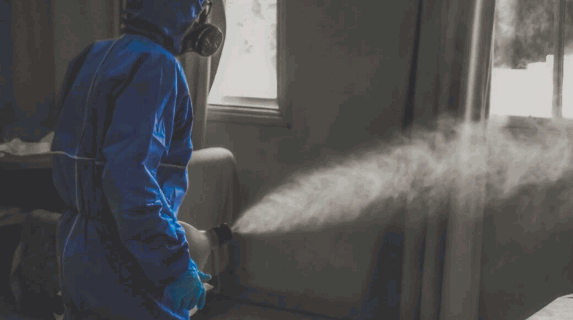
Fogging is a disinfection technique that uses a fogging machine to create a fine mist of disinfectant or cleaning solution, which is then sprayed in the form of tiny droplets to cover various surfaces thoroughly.
This method is highly effective in reaching inaccessible areas and ensuring comprehensive coverage, making it ideal for disinfecting large spaces such as warehouses, hospitals, and public transportation. The fogging machine operates by converting the liquid disinfectant into a fog or mist through a process called thermal fogging or cold fogging. Thermal fogging uses heat to vaporize the solution, producing a dense fog, while cold fogging atomizes the liquid under high pressure to create a fine mist. The produced fog lingers in the air for a longer time, allowing it to penetrate cracks, crevices, and other hard-to-reach places where germs and pathogens may hide.
Discover: Best Way To Clean Laminate Floors

How Does Fogging Work?
Fogging works by using specialized fogging machine solutions that are converted into tiny droplets, which are then sprayed to settle on surfaces, ensuring even coverage and effective disinfection.
The process of fogging involves creating a mist or aerosol composed of small liquid droplets, typically between 5-50 microns in size. These droplets are generated by breaking down the liquid solution into fine particles through the fogging machine’s nozzle or generating chamber.
Once released, these tiny droplets disperse in the air and settle on all exposed surfaces, including hard-to-reach areas like crevices and undersides. When these droplets come in contact with surfaces, they adhere to them due to their minuscule size and surface tension, forming a uniform coating. This ensures that the disinfectant or sanitizing solution covers the entire area, effectively targeting pathogens like viruses and bacteria.

What Are the Different Types of Fogging?
There are several types of fogging methods, including thermal fogging, cold fogging, and ULV (Ultra Low Volume) fogging, each with unique characteristics and applications.
Thermal Fogging
Thermal fogging involves heating the fogging solution to create a dense fog of tiny droplets, which can penetrate deeply into hard-to-reach areas.
This method is highly effective in disinfecting and deodorizing spaces that are difficult to reach with traditional cleaning methods. The process works by converting the liquid solution into a fog through a thermal fogging device, which then disperses the fog in a fine mist. The heat helps the fog to evaporate quickly, leaving behind a residue-free surface.
Thermal fogging is particularly useful in eliminating airborne pathogens and odors, making it a preferred choice in sanitation processes for hospitals, hotels, and other commercial establishments. The fog droplets can infiltrate cracks, crevices, and porous materials, ensuring comprehensive coverage and thorough disinfection.

Cold Fogging
Cold fogging uses high pressure to produce a fine mist of droplets without the need for heat, making it suitable for temperature-sensitive environments.
By creating micron-sized particles, cold fogging efficiently disperses disinfectants and sanitizers in the air, covering a large area effectively. The small droplets stay suspended in the air for longer durations, ensuring thorough coverage of surfaces, including hard-to-reach areas. This method is highly efficient in combating airborne pathogens, mold, and allergens. Cold fogging is widely used in various industries such as agriculture, pest control, and healthcare for sanitation purposes.

ULV Fogging
ULV fogging, or Ultra Low Volume fogging, employs specialized equipment to generate extremely small droplets, ensuring efficient and widespread application of the fogging solution.
The process of ULV fogging is highly effective in reaching inaccessible areas that traditional cleaning methods might miss, such as cracks, crevices, and air ducts. The minute droplets produced during ULV fogging linger in the air for longer periods, allowing the disinfectant or pesticide to act on surfaces extensively. This method is commonly used in various settings, including hospitals, offices, schools, and even homes, as it provides a thorough and comprehensive sanitization or pest control solution.

What Are the Uses of Fogging?
Fogging techniques are widely used across various industries, including pest control, disinfection, odor control, and mold remediation, primarily in sectors like the food industry and healthcare industry.
Pest Control
Fogging methods are highly effective for pest control, especially in the food industry, where they can eliminate insects and other pests without contaminating food products.
One of the key advantages of using fogging methods is their ability to reach difficult-to-access areas in facilities, such as cracks and crevices, where pests often hide. The fog can penetrate deep into these spaces, ensuring a comprehensive treatment that traditional spraying methods may not achieve.
Along with the food industry, fogging is widely utilized in healthcare facilities, warehouses, and agricultural settings for pest control. Its versatility makes it a preferred method for controlling pests in areas with stringent hygiene regulations, such as pharmaceutical production facilities.

Disinfection
Disinfection fogging has become crucial in the healthcare industry, especially during the COVID-19 pandemic, as supported by the World Health Organisation’s guidelines for using disinfectant products effectively.
During the ongoing pandemic, the emphasis on maintaining high standards of cleanliness and hygiene in healthcare settings has intensified.
Disinfection fogging plays a vital role in this context as it ensures thorough and comprehensive sanitization of large areas where manual cleaning may fall short.
By dispersing fine disinfectant mist evenly throughout the environment, this method reaches inaccessible nooks and corners, effectively eradicating harmful pathogens.

Odor Control
Fogging cleaning is also utilized for odor control, where fogging machines disperse deodorizing solutions to neutralize unwanted smells in various environments.
One of the key benefits of using fogging for odor control is its ability to reach difficult-to-access areas, ensuring thorough treatment of the space. The fine mist created by the fogging machines can penetrate deep into cracks, crevices, and fabrics where odors may linger.
This method is highly effective in eliminating odors caused by smoke, pets, mold, and food. It is commonly used in homes, offices, hotels, restaurants, and healthcare facilities to maintain a fresh and pleasant environment.

Mold Remediation
Fogging techniques are effective for mold remediation, as the fog can reach and disinfect surfaces that are difficult to access, ensuring comprehensive treatment.

What Are the Advantages of Fogging?
The advantages of fogging include its quick and effective disinfection capabilities, ability to reach hard-to-reach areas, safety for use in sensitive environments, and cost-effectiveness, making it a preferred method in both the healthcare and food industries.
Quick and Effective
Fogging methods are known for their quick and effective action, ensuring thorough disinfection in a short amount of time.
By creating a mist of fine droplets that can reach surfaces that might be missed during manual cleaning, fogging is highly efficient in disinfecting large areas swiftly. The small particles produced during fogging can penetrate nooks, crannies, and even porous surfaces, effectively eliminating harmful pathogens. In healthcare settings, such as hospitals and clinics, fogging can quickly sanitize patient rooms, waiting areas, and high-touch surfaces. Similarly, in food industry facilities, fogging can ensure a sterile environment by reaching inaccessible spots where bacteria may lurk.
Can Reach Hard-to-Reach Areas
One of the major advantages of fogging techniques is their ability to reach hard-to-reach areas, ensuring that all surfaces are adequately disinfected.
Regarding cleaning and disinfection, it can be challenging to ensure that every nook and cranny is properly sanitized. This is where the effectiveness of fogging techniques truly shines. By dispersing a fine mist of disinfectant solution, fogging machines can penetrate into tight spaces, hidden corners, and intricate surfaces that are difficult to access through traditional cleaning methods.
Whether it’s intricate machinery in industrial settings, ventilation ducts in offices, or crowded public spaces, fogging techniques provide a comprehensive solution to achieve thorough disinfection. This method not only saves time and effort but also maximizes the effectiveness of the disinfection process, creating a safer environment for everyone.
Safe for Use
Fogging methods are generally safe for use, making them suitable for sensitive environments like the healthcare and food industries.
The safety aspects of fogging can be attributed to its ability to effectively disinfect large areas quickly and thoroughly without leaving behind residue or harmful chemicals. This makes it an ideal choice for spaces where cleanliness and hygiene are of utmost importance. Industries such as hospitality, pharmaceuticals, and animal husbandry also benefit from fogging due to its ability to reach inaccessible areas and eliminate a wide range of pathogens.
Cost-Effective
Fogging techniques are cost-effective, providing a thorough and economical solution for disinfection and other applications.
One of the main advantages of fogging techniques is the ability to cover large areas quickly and efficiently, reducing the time and labor costs associated with traditional cleaning methods. This makes it an attractive option for businesses and facilities looking to achieve high levels of sanitation without breaking the bank.
The use of specialized disinfectants in the fogging process can lead to long-lasting protection against viruses and bacteria, potentially reducing the frequency of cleaning required. This not only saves money on cleaning supplies but also minimizes the risk of illnesses spreading among staff and visitors.

What Are the Disadvantages of Fogging?
While fogging methods offer many benefits, there are also several disadvantages, such as potential respiratory irritation, residue left on surfaces, and limited effectiveness against certain types of pests.
May Cause Respiratory Irritation
One of the main concerns with fogging methods is that they may cause respiratory irritation due to the inhalation of fine droplets.
It’s important to note that these tiny droplets, when inhaled, can trigger irritation in the respiratory tract, leading to coughing, wheezing, or throat discomfort.
To minimize this risk, individuals conducting fogging operations should wear appropriate personal protective equipment such as masks that can filter out the fine particles.
Ensuring proper ventilation in the treated area after fogging and avoiding direct contact with the fog or mist can help reduce the chances of respiratory issues.
Proper training on handling fogging equipment and the chemicals used is also crucial to prevent potential health hazards.
May Leave Residue
Another disadvantage of some fogging techniques is that they may leave a residue on surfaces, which could require additional cleaning.
This residue can not only be aesthetically unpleasant but also pose potential health risks if left unchecked. The residue left on surfaces can harbor bacteria and pathogens, creating a breeding ground for germs that can lead to infections and illnesses.
To mitigate the issue of residue buildup, it’s crucial to use fogging techniques that leave minimal residue or opt for cleaning procedures specifically designed to target and remove any leftover residue. Regular maintenance and cleaning schedules can also help prevent residue accumulation, ensuring a safe and hygienic environment for everyone.
May Not Be Effective for Certain Types of Pests
Fogging methods may not always be effective for certain types of pests, requiring alternative or supplementary pest control measures.
While fogging can be a quick and efficient method to eliminate flying insects and mosquitoes, it may not effectively target pests that hide in cracks and crevices or reside within walls and furniture.
Fogging may not be suitable for outdoor areas with strong winds, as it can disperse the insecticide inconsistently, leading to uneven treatment.
Resistance to the chemicals used in fogging can also develop over time in pest populations, reducing the method’s efficacy in the long term.

How to Perform Fogging Safely?
Performing fogging safely involves several important steps, including wearing protective gear, ventilating the area before and after fogging, and following the manufacturer’s instructions carefully.
Wear Protective Gear
Wearing appropriate protective gear is crucial when performing fogging to ensure safety and prevent exposure to harmful substances.
There are several types of protective gear that are essential for safe fogging practices. These include:
- Respirators or masks to protect the respiratory system from inhaling chemicals or particles.
- Eye protection such as goggles to prevent irritation or injury from chemicals getting into the eyes.
- Coveralls or protective clothing to shield the skin from direct contact with chemicals.
- Gloves protect the hands from any potential exposure.
It is imperative to wear each of these protective items to minimize health risks and ensure a safe working environment during fogging operations.

Ventilate the Area Before and After Fogging
Proper ventilation before and after fogging is essential to disperse any lingering droplets and ensure the safety of individuals in the area.
Ventilation plays a crucial role in the fogging process as it helps in the efficient distribution of the fogging solution, thereby maximizing its effectiveness. To achieve proper ventilation during fogging, ensure that windows and doors are open to allow fresh air circulation. Using fans or air-moving devices can help spread the fog evenly throughout the space.
After fogging, maintaining good ventilation is equally important to avoid any buildup of chemical residues. It is recommended to keep the area ventilated for a designated period, depending on the fogging product used. Adequate ventilation also aids in expediting the drying process, making the area safe for re-entry.
Follow the Manufacturer’s Instructions
Following the manufacturer’s instructions is vital when utilizing fogging techniques to guarantee safety and efficiency.
It is crucial to carefully read and comprehend the guidelines provided by the manufacturer before initiating the fogging process. Specific instructions like dilution ratios, application methods, and safety precautions play a significant role in achieving the desired outcomes while ensuring the well-being of individuals and the environment.
Deviating from the recommended procedures can not only lead to ineffective results but also pose potential risks to health and property. Therefore, strict adherence to the manufacturer’s guidelines is essential for a successful and safe fogging operation.