Curious about steam cleaning and how it can benefit you? This article will explore the ins and outs of steam cleaning, from its chemical-free cleaning to its effectiveness in killing germs and bacteria.
Discover the different types of steam cleaners available and learn about the surfaces that can be steam cleaned. Find out where the dirt goes when you steam clean and how often you should do it.
Additionally, precautions to take when steam cleaning will be shared to ensure a safe and effective cleaning experience.
What Is Steam Cleaning?
Steam cleaning is an effective cleaning method that utilizes hot water vapor produced by steam cleaners to clean and sanitize various surfaces, removing dirt and grime without the use of chemicals, making it an ideal choice for homeowners seeking a thorough and eco-friendly cleaning solution.
When utilizing steam cleaning, the high-temperature steam penetrates deep into the pores of surfaces, effectively dissolving dirt, grease, and stains that are otherwise hard to remove. This method is highly advantageous as it not only cleans but also disinfects, killing bacteria, germs, and allergens without the need for additional cleaning agents. Steam cleaning is versatile and can be used on a wide range of surfaces, including tiles, hardwood floors, carpets, upholstery, and even kitchen appliances, making it a versatile and comprehensive cleaning solution.
Explore: What Is Fogging
How Does Steam Cleaning Work?
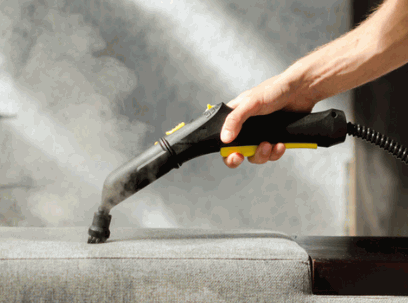
Steam cleaning works by using a steam cleaner to heat water to high temperatures, producing steam that penetrates surfaces to loosen dirt, grime, and bacteria, making it easier to clean and sanitize without the need for harsh chemicals.
When the water is heated within the steam cleaner, it transforms into vapor which contains a high amount of energy. This energy is then transferred to the surface being cleaned, effectively breaking down stubborn stains and killing germs. The combination of high temperature and moisture plays a crucial role in the cleaning process.
What Are The Benefits of Steam Cleaning?
The benefits of steam cleaning are numerous, ranging from its ability to clean and sanitize surfaces without chemicals to its effectiveness in removing deep-seated dirt and bacteria, making it a preferred method for both residential and commercial cleaning applications.
Chemical-Free Cleaning
One of the major advantages of steam cleaning is that it offers a chemical-free cleaning solution, which is particularly appealing to homeowners who are concerned about the harmful effects of chemical cleaning agents on their health and the environment.
Chemicals present in traditional cleaning products can pose serious health risks, especially to those with allergies or sensitivities. With steam cleaners, hot water vapor is the primary agent used to clean, eliminating the need for harsh chemicals. This not only ensures a safer environment for individuals and pets but also decreases the release of harmful toxins into the air.
From sanitizing surfaces to refreshing upholstery, steam cleaners have versatile applications in households, offices, and even industrial settings. The high temperature of the steam kills up to 99.99% of bacteria and germs, making it an effective and eco-friendly cleaning method.
Kills Germs and Bacteria
Steam cleaning is highly effective at killing germs and bacteria due to the high temperature of the steam, which can penetrate and sanitize surfaces, reducing the risk of illness and promoting a healthier living environment.
The intense heat produced by steam cleaning is a powerful weapon against harmful microorganisms. Studies have shown that steam at temperatures exceeding 212 degrees Fahrenheit is capable of eliminating up to 99.9% of common household germs and bacteria, such as E. coli and salmonella. The high temperature not only kills these pathogens but also loosens dirt and grime, making it easier to wipe away. This makes steam cleaning not only an effective way to sanitize surfaces but also a great option for allergy sufferers and those seeking a chemical-free cleaning method.
Removes Stubborn Stains
The intense heat and moisture generated by steam cleaners make them highly effective in removing stubborn stains and grime from a variety of surfaces, ensuring a thorough and deep clean.
One of the remarkable qualities of steam cleaners is their ability to tackle tough stains that other cleaning methods might struggle with. For instance, common stains like grease splatters in the kitchen, tracked-in mud on carpets, and soap scum in the bathroom are no match for the power of steam cleaning. Whether it’s tiles, upholstery, windows, or hard floors, steam cleaners provide a chemical-free solution that not only removes stains but also sanitizes surfaces effectively.
Safe for All Surfaces
One of the key benefits of steam cleaning is its versatility and safety on a wide range of surfaces, including vinyl, tiles, upholstery, carpets, and even hardwood floors, making it an ideal cleaning method for different materials in your home.
When using a steam cleaner, it’s important to remember that not all surfaces are suitable for this method of cleaning. Surfaces such as untreated wood, delicate fabrics, or surfaces that can get damaged by excess moisture should be approached with caution.
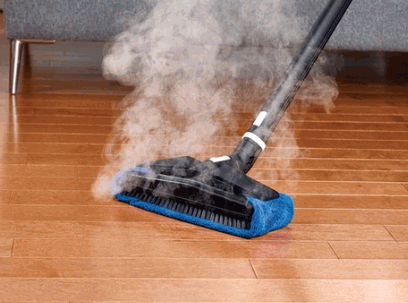
For example, on hardwood floors, it’s essential to avoid prolonged exposure to steam as it can cause warping or damage to the finish. Similarly, delicate fabrics like silk or wool should only be cleaned with steam on low heat settings to prevent any harm.
What Are The Different Types of Steam Cleaners?
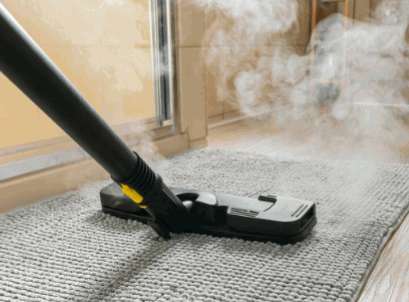
There are several types of steam cleaners available on the market, each designed for specific cleaning tasks and preferences, including handheld steam cleaners, upright steam cleaners, canister steam cleaners, and steam mops, each offering unique features and benefits to cater to various cleaning needs.
Handheld Steam Cleaners
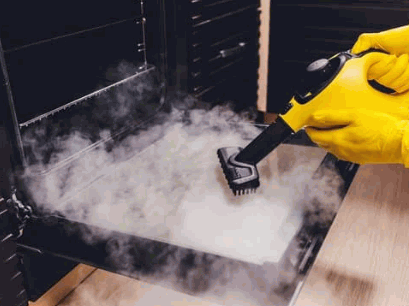
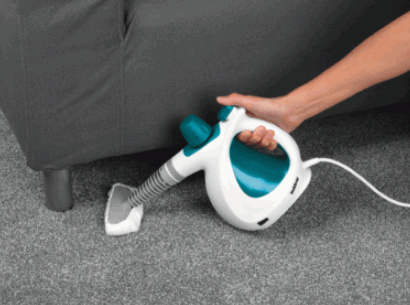
Handheld steam cleaners are compact, portable devices that are perfect for cleaning small or hard-to-reach surfaces, providing a convenient and efficient solution for quick cleaning tasks around the home.
These versatile tools can easily tackle a variety of surfaces, such as kitchen counters, bathroom tiles, windows, and even upholstery. The portability of handheld steam cleaners allows users to effortlessly maneuver them in tight spaces, making them ideal for spot-cleaning spills or refreshing fabrics. With their powerful steam jets, these devices not only clean but also sanitize surfaces, eliminating bacteria and germs without the need for harsh chemicals.
Upright Steam Cleaners
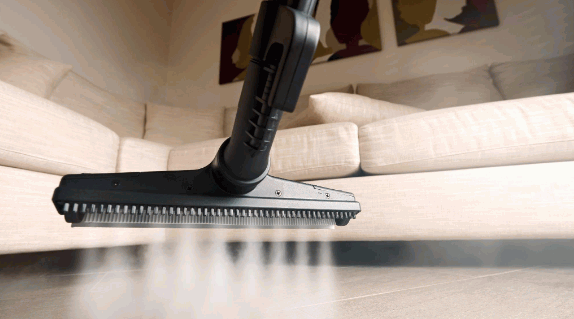
Upright steam cleaners are designed for cleaning large floor areas, offering powerful steam output and easy maneuverability to effectively clean and sanitize various types of flooring surfaces.
These cleaners are equipped with a long handle and a wide base, allowing users to cover more ground quickly and effortlessly. The high steam temperature not only removes dirt and grime but also eliminates harmful bacteria and germs, making it a more hygienic cleaning option.
- Upright steam cleaners are especially advantageous for homes with pets or small children, as they provide a chemical-free way to sanitize floors without leaving behind any residue. They are also versatile, and suitable for use on a wide range of flooring materials including hardwood, tile, laminate, and carpet.
Canister Steam Cleaners
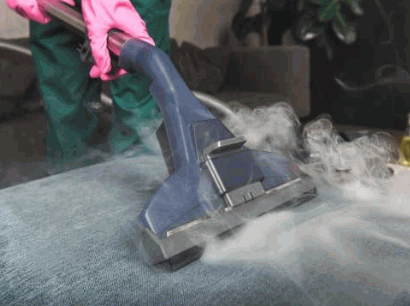
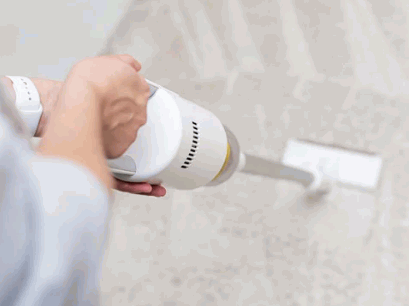
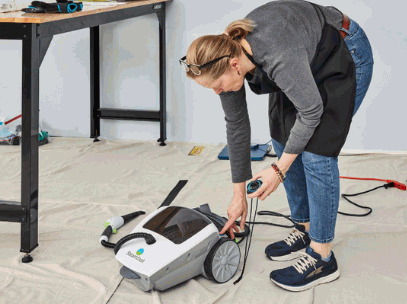
Canister steam cleaners are versatile and powerful machines, often used in commercial cleaning applications due to their larger capacity and ability to handle extensive cleaning tasks with ease.
With a design that allows for easy maneuverability and a wide range of attachments, canister steam cleaners are highly efficient in tackling various surfaces such as floors, windows, upholstery, and tiles.
Their superior power ensures deep cleaning and sanitization without the need for harsh chemicals, making them environmentally friendly and safe for use around children and pets.
In residential settings, these cleaners prove invaluable for removing tough stains, grime, and allergens, while in commercial environments, they excel at sanitizing high-traffic areas, kitchens, and bathrooms.
Steam Mops
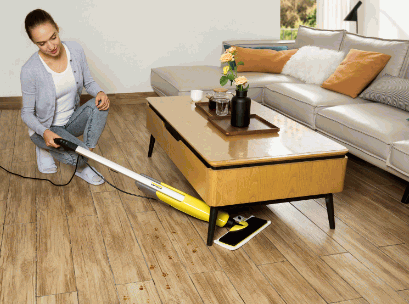
Steam mops are stick-style mops that use steam to clean and sanitize floors, offering an easy-to-use and efficient solution for maintaining a clean and hygienic home environment.
One of the key advantages of using steam mops is their ability to eliminate the need for harsh chemicals, making them an eco-friendly option for cleaning. The steam produced by these mops not only cleans the floors effectively but also kills 99.9% of bacteria and germs, ensuring a truly sanitized surface.
Compared to traditional mopping methods, steam mops require less physical effort and time. They typically heat up quickly, allowing users to start cleaning almost instantly. Many models also feature adjustable steam settings, making them suitable for different types of flooring.
Where Does The Dirt Go When You Steam Clean?
When you steam clean, the dirt and grime loosened by the high-temperature steam are typically absorbed into a cleaning pad, collected in a separate tank, or flushed out with water, leaving your surfaces clean and sanitized.
Absorbed into the Cleaning Pad
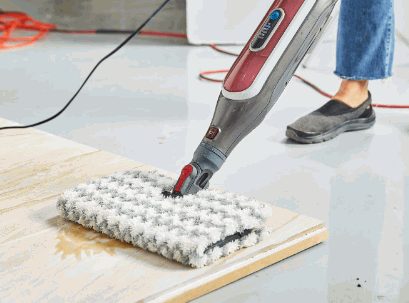
During steam cleaning, the loosened dirt and grime are often absorbed into a microfiber cleaning pad, which is designed to trap moisture and contaminants, ensuring a thorough cleaning process.
These specialized cleaning pads act as a barrier between the surface being cleaned and the steam, allowing them to absorb the dirt and moisture effectively. The microfiber material used in these pads is adept at capturing even the smallest particles, leaving surfaces spotless. The design of the pads also plays a crucial role in distributing the steam evenly, ensuring that every area receives a thorough cleaning. Using high-quality pads is essential to maintain the efficiency of steam cleaners, as inferior pads may not be able to absorb dirt effectively and could leave streaks or residue behind.
Collected in a Separate Tank
In some steam cleaner models, the loosened dirt is collected in a separate tank, which helps to keep the dirty water and contaminants contained, making it easier to dispose of after cleaning.
This mechanism not only ensures that the cleaning process is more hygienic and efficient but also prevents cross-contamination between areas. By having a separate tank for collecting dirt, users can easily monitor the level of dirt accumulation, allowing them to know when it’s time to empty the tank. The ability to dispose of the collected dirt separately ensures that the dirty water doesn’t mix back into the clean water, maintaining the cleaning solution’s effectiveness throughout the entire process.
Flushed Out with Water
Another method of dirt removal in steam cleaning involves the dirt being flushed out with water, ensuring that the contaminants are effectively washed away, leaving surfaces clean and residue-free.
When water is introduced during the steam cleaning process, it acts as a powerful agent to dislodge and carry away grime, dust, and other pollutants that have accumulated on surfaces.
The high temperature of the steam not only helps to loosen the dirt but also aids in killing bacteria and germs, making it an effective sanitization method.
The combination of steam and water ensures that even stubborn stains are tackled effectively, resulting in a more thorough and hygienic clean.
This process is particularly beneficial for individuals looking for a deeper level of cleanliness without the use of harsh chemicals, promoting a healthier indoor environment.
What Surfaces Can Be Steam Cleaned?
Steam cleaning is versatile and can be used on a wide variety of surfaces, including vinyl, laminate, tile, upholstery, mattresses, curtains, painted walls, hardwood, cork, unglazed tile, and window glass, making it an effective solution for many areas of your home.
In terms of vinyl surfaces, ensure that the steam cleaner is set to a low temperature to prevent damage to the material. For laminate flooring, avoid excess moisture and always dry the surface thoroughly after cleaning. For tile surfaces, pay attention to grout lines to achieve a thorough cleaning.
- When cleaning upholstery, always check the manufacturer’s guidelines on the fabric to avoid any potential shrinkage or color fading.
- When steam cleaning mattresses, make sure to let the mattress dry completely before use to prevent mold growth.
- For curtains, test a small inconspicuous area first and avoid prolonged exposure to steam to prevent any damage.
How Often Should You Steam Clean?
The frequency of steam cleaning depends on various factors, such as the type of surface, the level of dirt, and usage, but generally, high-traffic areas should be steam cleaned weekly, while other areas can be cleaned less frequently based on necessity.
When considering the kitchen, where food preparation and spillovers commonly occur, it is advisable to steam clean the floors and countertops at least every two weeks to maintain a hygienic environment. Bathrooms, being susceptible to mold and mildew growth, should also be steam cleaned every other week.
For bedrooms and living rooms, a monthly steam cleaning routine suffices, focusing on areas around furniture and under carpets. Upholstery and curtains should be treated less frequently, every two to three months, to keep them fresh and free of allergens.
What Are The Precautions to Take When Steam Cleaning?
When steam cleaning, it is important to take certain precautions to avoid damaging sensitive materials and surfaces, such as avoiding high heat on delicate fabrics and ensuring that the cleaning method is appropriate for the specific type of surface.
Another essential precaution is to always start with a small test patch on an inconspicuous area to ensure that the steam cleaner does not cause any damage or discoloration. Adjusting the steam intensity based on the surface being cleaned is key, as using high steam on delicate surfaces can lead to warping or shrinking. It’s also crucial to follow the manufacturer’s instructions for the steam cleaner and any cleaning solutions, as improper use can result in subpar cleaning or even damage.